Electricity is an essential part of everyday life, but rising power consumption can make monthly electricity bills a significant household expense. For families in Assam looking for a more affordable and sustainable energy solution, rooftop solar offers an opportunity to generate electricity using sunlight while reducing dependence on conventional power sources.
The pm surya ghar muft bijli yojana assam is a Government of India initiative designed to encourage residential rooftop solar adoption through financial assistance. The scheme allows eligible households to install grid-connected solar systems and receive government subsidies after completing the required application, installation, and verification procedures.
For homeowners exploring the pm surya ghar muft bijli yojana assam, understanding the eligibility criteria, subsidy structure, installation process, and local electricity distribution requirements is essential before investing in a solar system.
This guide explains how households in Assam can apply for the scheme, choose an appropriate solar installation, and complete the process successfully.
What Is PM Surya Ghar Muft Bijli Yojana?
PM Surya Ghar Muft Bijli Yojana is a central government scheme launched in February 2024 to promote rooftop solar installations in residential households across India.
Its primary objective is to help eligible families generate their own electricity, reduce monthly electricity expenses, and contribute to India's renewable energy goals.
Under the scheme, eligible residential consumers can receive Central Financial Assistance (CFA) for installing grid-connected rooftop solar systems. The government aims to support households in receiving up to 300 units of free electricity per month through solar generation, depending on their system capacity and actual electricity consumption.
In Assam, the scheme is implemented through the relevant electricity distribution authorities, including Assam Power Distribution Company Limited (APDCL).
The process involves registering on the national portal, obtaining the necessary approval, selecting an eligible vendor, installing the system, and completing inspection and subsidy formalities.
Who Is Eligible for the Scheme in Assam?
Before applying, homeowners should check whether their property and electricity connection meet the scheme requirements.
Generally, the following conditions apply:
-
The applicant must be an Indian citizen.
-
The household must have a valid residential electricity connection.
-
The property must have a suitable rooftop or other approved installation space.
-
The applicant must not have previously received government subsidy for the same solar installation.
-
The rooftop solar system must be installed through a vendor registered under the PM Surya Ghar national portal.
Homeowners should also ensure that the electricity consumer details are accurate and match the information submitted during registration.
Can Tenants Apply for Rooftop Solar?
Tenants may be able to install rooftop solar if the electricity connection is in their name and they have permission from the property owner to use the roof.
However, ownership rights, roof access, and electricity connection details should be clarified before beginning the application process.
PM Surya Ghar Subsidy in Assam: How Much Financial Assistance Can You Receive?
One of the biggest advantages of the scheme is the financial assistance available for eligible residential rooftop solar installations.
Assam falls under the special-category states for central subsidy calculations. The applicable central assistance is higher than the standard rates available in most other states.
The central subsidy structure is:
| Solar System Capacity |
Central Government Subsidy |
| 1 kW |
₹33,000 |
| 2 kW |
₹66,000 |
| 3 kW |
₹85,800 |
| Above 3 kW |
Maximum ₹85,800 |
Under the published Assam APDCL scheme documents, an additional state subsidy of ₹15,000 per kW is also specified for eligible residential installations up to 3 kW.
This would make the indicative combined assistance:
-
1 kW: ₹48,000
-
2 kW: ₹96,000
-
3 kW: ₹1,30,800
The additional Assam state subsidy is subject to the applicable state government notification, scheme availability, and eligibility conditions. Applicants should confirm its current availability with APDCL before calculating their final installation cost.
It is also important to understand that subsidies are financial assistance towards installation costs, not an automatic guarantee that every household will receive completely free electricity.
Step-by-Step PM Surya Ghar Muft Bijli Yojana Assam Installation Process
Applying for rooftop solar under the scheme involves several stages. Following the correct sequence helps prevent unnecessary delays and documentation problems.
Step 1: Register on the National Portal
The first step is to register as a residential consumer on the official PM Surya Ghar National Portal.
During registration, applicants generally need to provide:
Ensure that the consumer number is entered correctly because it connects the application with the existing electricity account.
Step 2: Submit the Rooftop Solar Application
After completing registration, log in using the registered credentials and submit the rooftop solar application.
Select the proposed solar system capacity based on household electricity consumption and available rooftop space.
The application is then forwarded to the relevant electricity distribution company for technical feasibility assessment and approval.
For consumers in APDCL service areas, the application is processed according to the applicable distribution company's requirements.
Step 3: Choose an Approved Solar Vendor
Once the necessary approval is received, select a vendor registered on the national portal for the relevant DISCOM.
Choosing the right installation partner is important because the quality of the equipment, installation workmanship, and technical configuration can affect the system's long-term performance.
Before finalising a vendor, consider:
-
Experience with residential rooftop solar installations.
-
Quality and specifications of solar panels.
-
Inverter capacity and performance.
-
Warranty coverage for panels and other equipment.
-
Installation charges and maintenance support.
-
Compliance with government technical requirements.
Request a detailed quotation that clearly explains equipment specifications, installation costs, applicable taxes, and warranty terms.
Step 4: Complete the Solar Panel Installation
After selecting the vendor, the rooftop solar installation can begin.
The installation team generally assesses the roof's condition, available space, sunlight exposure, and structural suitability.
The main components include:
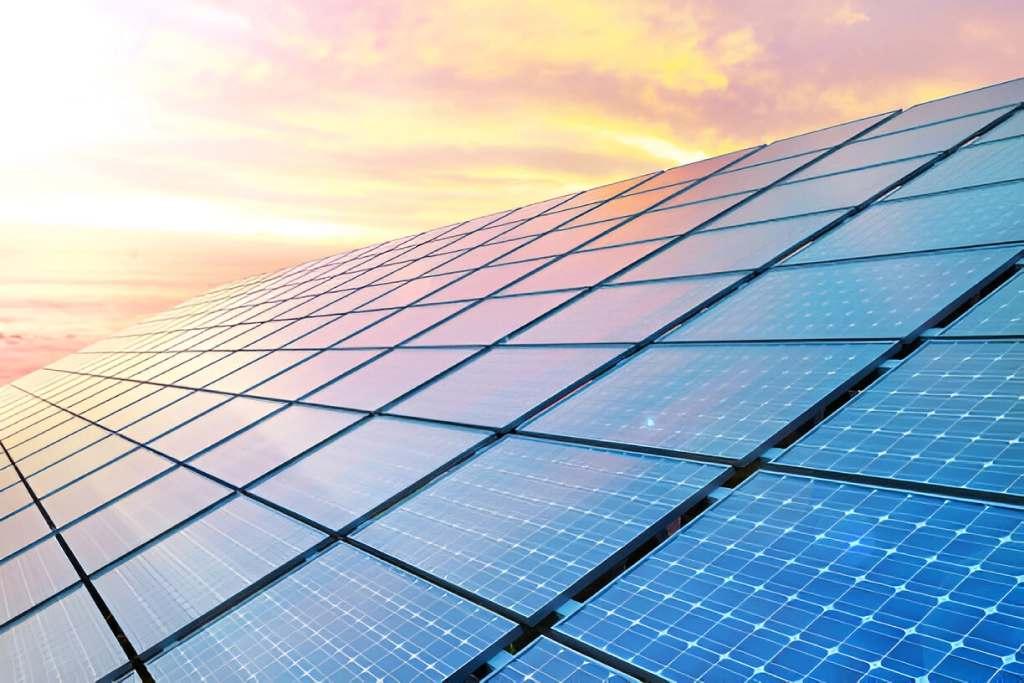
Solar Panels: These capture sunlight and convert it into electrical energy.
Solar Inverter: The inverter converts the electricity generated by the panels into usable alternating current.
Mounting Structure: This securely supports the solar panels at an appropriate angle and position.
Electrical Protection Equipment: Appropriate safety devices help protect the installation against electrical faults and other risks.
For Assam households, installation planning should also consider seasonal rainfall, strong winds, drainage, and secure panel mounting.
A professionally designed system should account for local environmental conditions rather than focusing only on the number of panels.
Step 5: Apply for Net Metering
A grid-connected rooftop solar system generally requires a suitable bidirectional meter, commonly called a net meter.
This meter records electricity imported from the grid and surplus electricity exported from the solar installation, according to the applicable metering regulations.
After installation, the consumer or vendor must update the installation details on the national portal and submit the required information for metering and inspection.
APDCL will follow the applicable procedures to verify the installation and arrange the necessary metering connection.
Step 6: Complete Inspection and Commissioning
After the installation and metering requirements are completed, the concerned electricity distribution company inspects the system.
The inspection checks whether the installation meets the applicable technical and safety requirements.
Once the installation is approved, the commissioning certificate is generated through the national portal.
This certificate is an important requirement for claiming the applicable government subsidy.
Step 7: Submit Bank Details and Claim the Subsidy
After receiving the commissioning certificate, applicants must submit their bank account information through the national portal.
A cancelled cheque or other required banking documentation may also be requested.
The application is processed for subsidy disbursement after the required verification and approval.
The eligible Central Financial Assistance is transferred directly to the beneficiary's bank account through the prescribed process. Any applicable Assam state assistance follows the relevant state government's disbursement procedure.
How to Choose the Right Solar System Capacity for Your Home
Selecting the correct system capacity is important for achieving meaningful electricity savings.
A system that is too small may not meet household energy requirements, while an unnecessarily large installation can increase the initial investment.
The following figures offer a general starting point:
| Monthly Electricity Consumption |
Suggested Solar Capacity |
| 0–150 units |
1–2 kW |
| 150–300 units |
2–3 kW |
| Above 300 units |
Above 3 kW |
These are indicative recommendations, not fixed requirements. Actual system sizing depends on electricity usage patterns, roof availability, shading, and the household's future energy needs.
For example, a family using electricity mainly for lighting, fans, televisions, and refrigerators may have different requirements from a household operating multiple air conditioners or other high-consumption appliances.
A professional site assessment can help determine the most suitable capacity.
Important Factors to Consider Before Installing Solar Panels in Assam
Assam's weather and environmental conditions make proper installation planning particularly important.
1. Roof Condition and Available Space
Ensure the roof has sufficient space and structural strength to support the panels and mounting equipment.
Avoid locations where nearby buildings, trees, or other structures create significant shading.
2. Rainfall and Weather Protection
Assam experiences substantial seasonal rainfall. Solar panels, mounting structures, electrical connections, and cable routes should be selected and installed with appropriate weather protection.
Proper drainage is also important to prevent water accumulation around electrical equipment.
3. Equipment Quality
Do not choose a solar installation based on price alone.
Check equipment specifications, applicable certifications, warranties, and compatibility with the scheme's technical requirements.
4. Maintenance Requirements
Solar systems generally require limited maintenance, but periodic inspection helps maintain reliable operation.
Homeowners should:
-
Keep panels reasonably clean.
-
Check for visible damage.
-
Monitor inverter performance.
-
Inspect electrical connections through qualified technicians.
-
Arrange professional maintenance when required.
5. Understand Your Electricity Bill
Net metering does not necessarily eliminate every charge on an electricity bill. Fixed charges, applicable taxes, and other regulatory charges may still apply.
Understanding the billing arrangement helps homeowners develop realistic expectations about savings.
Common Mistakes to Avoid During the Application Process
A few avoidable mistakes can create complications during installation or subsidy processing.
Keep these points in mind:
-
Do not install the system before completing the required portal application and approval process.
-
Avoid selecting vendors who are not registered for the relevant scheme.
-
Double-check your electricity consumer number and personal information.
-
Ensure the installed capacity matches the approved application.
-
Keep installation invoices and equipment details.
-
Upload the required photographs and commissioning documents.
-
Enter accurate bank details to prevent payment-related delays.
Always rely on the latest instructions available through the official portal and the relevant electricity distribution company.
Conclusion
The PM Surya Ghar Muft Bijli Yojana creates an important opportunity for residential households in Assam to adopt renewable energy while reducing their dependence on conventional electricity. With central financial assistance, potential additional state support, and a structured installation process, eligible homeowners can make rooftop solar a practical long-term investment.
However, successful installation requires careful system selection, an approved vendor, proper technical execution, and completion of all metering and commissioning formalities.
For households considering solar adoption, Solar Prabha recognises the importance of making informed decisions about solar technology, installation quality, and long-term energy savings. Understanding the scheme and evaluating your household's requirements are the right first steps towards a more sustainable energy future.
Frequently Asked Questions
1. How much subsidy is available under PM Surya Ghar in Assam?
Eligible households can receive central assistance of ₹33,000 per kW for the first 2 kW and ₹19,800 for the additional 1 kW. The maximum central subsidy is ₹85,800. An additional Assam state subsidy of up to ₹45,000 is specified in APDCL scheme documents for eligible installations, subject to current applicability and approval.
2. Can I apply for PM Surya Ghar Muft Bijli Yojana through APDCL?
Yes. Residential electricity consumers in APDCL service areas can apply through the national PM Surya Ghar portal by selecting Assam and their relevant electricity distribution company.
3. Is electricity completely free after installing rooftop solar?
Not necessarily. The scheme aims to help eligible households generate up to 300 units of electricity per month through rooftop solar. Actual savings depend on generation and consumption, while applicable fixed charges and other electricity bill components may remain payable.
4. How long does it take to receive the solar subsidy?
The subsidy is processed after installation, DISCOM inspection, commissioning certificate generation, and submission of the required bank details. The actual processing and credit timeline depends on successful verification and the applicable government procedures.
5. Can I install a 5 kW solar system and receive a subsidy on the entire capacity?
Yes, an eligible residential consumer can install a system larger than 3 kW. However, the individual household subsidy is capped at 3 kW of eligible capacity. No additional central subsidy is provided for capacity beyond this limit under the standard residential CFA structure.




Share this page with your family and friends.