Buying clothes online can be difficult when you are unsure which size will fit best. This is especially true for Japanese workwear, where a relaxed silhouette, straight-leg trousers, or a shorter jacket can fit differently from everyday American clothing. Before ordering orSlow, it helps to understand garment measurements, fit preferences, and the differences between individual styles. A medium in one item may not provide the same fit as a medium in another. The fabric, cut, and intended shape can all affect how a garment feels when worn. American shoppers can make a better choice by comparing their own measurements with the size chart and checking the product details before placing an order. A few minutes of preparation can help reduce sizing mistakes and make online shopping less stressful.
Why orSlow Sizing Needs Careful Attention
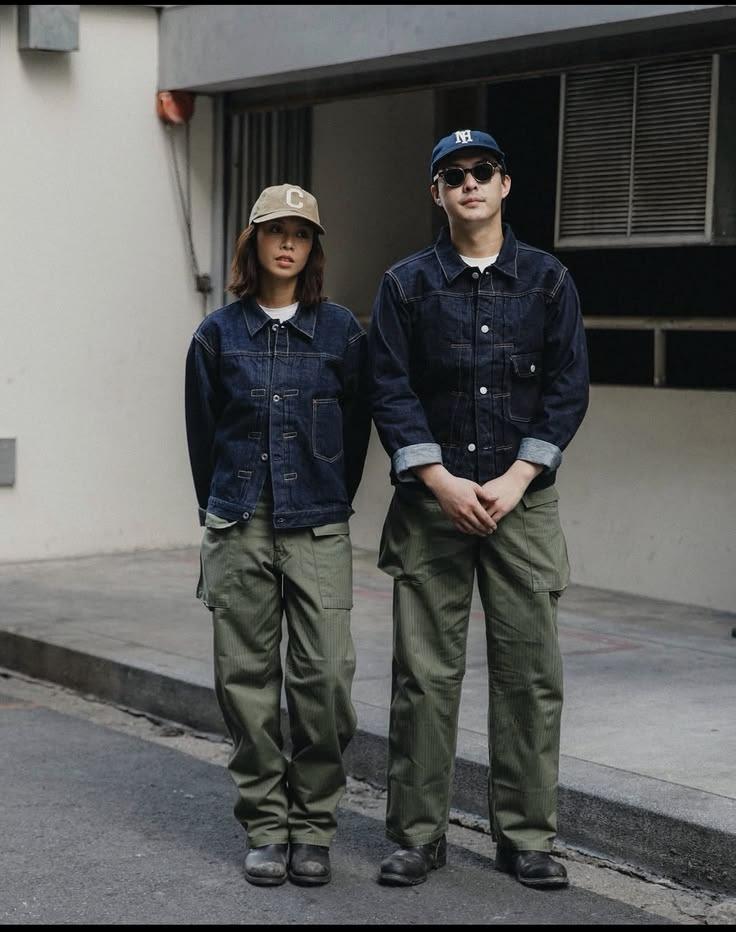
orSlow is a Japanese clothing brand known for denim, military-inspired garments, workwear, and everyday staples. Many of its designs take inspiration from older clothing, so the fit may differ from modern slim-fit or oversized American styles. Some jeans have a straight leg, while others offer a more tapered shape. Jackets may have room for layering, or they may sit closer to the body depending on the model.
Shoppers should not assume that their usual US size will provide the same fit across every item. A person who wears a medium T-shirt might prefer a different size in a denim jacket. The same applies to jeans, shirts, and fatigue pants. Each garment should be assessed on its own measurements and cut.
The goal is not simply to find a size label that looks familiar. It is to choose clothing that fits the body comfortably and creates the silhouette you want.
Measure Your Body Before Choosing a Size
Taking accurate measurements of orSlow Clothing is one of the best ways to select the right size when shopping online. You do not need special equipment. A flexible measuring tape, a mirror, and a few minutes are enough to get started.
Chest, Shoulders, and Sleeve Length
For shirts, T-shirts, and jackets, measure around the fullest part of your chest while keeping the tape level. Do not pull it so tight that it restricts movement. If you plan to wear a sweatshirt or another layer underneath a jacket, allow for that extra room when assessing the fit.
Shoulder width can also affect comfort. A garment with narrow shoulders may feel restrictive, while a wider cut can create a relaxed appearance. Sleeve length matters when choosing denim jackets, military shirts, and outerwear. Check whether the product measurements refer to the garment itself or to the wearer's body.
Waist, Hips, and Inseam
For jeans and trousers, measure your waist where you normally wear the waistband. Some styles sit higher on the waist, while others rest lower on the hips. This difference can affect comfort and the way the trousers hang.
Measure around the fullest part of your hips if the garment has a fitted seat. For inseam length, measure from the crotch seam to the point where you want the trousers to end. Your preferred length may depend on whether you wear jeans with sneakers, boots, or other footwear.
Write down your measurements and keep them available when comparing products. This creates a useful reference for future orders.
Compare the Size Chart With Clothes You Already Own
Your best-fitting clothes can serve as a practical guide when buying orSlow online. Instead of relying only on body measurements, take a garment you already own and compare its dimensions with the product's size chart.
Lay your jeans, shirt, or jacket flat on a clean surface. Measure the relevant areas and record the results. For a T-shirt, this may include chest width, shoulder width, body length, and sleeve length. For jeans, measure the waistband, front rise, thigh width, leg opening, and inseam.
Pay attention to the way your reference garment fits. A shirt that feels tight across the chest may not be a useful model for a relaxed orSlow shirt. Choose an item that matches your preferred fit and compare it with the new product.
Understand Flat Measurements
Online retailers often list garment measurements taken while the clothing is laid flat. A chest measurement of 21 inches from one side to the other may represent approximately 42 inches around the garment, depending on the measuring method.
Do not compare a flat garment measurement directly with a body circumference without adjusting for the difference. Check the retailer's measurement guide if the method is unclear. Small differences in measuring technique can affect your choice, especially when two sizes are close.
Choose the Right Fit for orSlow Jeans
Jeans are among the most popular items in the orSlow range, but the right size depends on the model and the shape you prefer. Two pairs with the same waist label can fit differently because of their rise, thigh width, leg shape, and fabric.
orSlow 105 Jeans
The 105 is associated with a classic straight-leg look. Shoppers who prefer traditional denim styling should check the waist, rise, thigh, and leg opening before ordering. If you want room through the leg without an exaggerated wide fit, compare the listed dimensions with a pair of straight-leg jeans you already enjoy wearing.
Do not select a size based only on the waist measurement. The rise can change where the waistband sits, while the thigh measurement affects movement and comfort.
orSlow 107 Jeans
The 107 is commonly associated with a slimmer, more tapered silhouette than the 105. This can make the thigh, knee, and leg opening measurements more relevant for shoppers who prefer a closer fit.
If you have wider thighs or prefer extra room when sitting, compare these measurements carefully. A size that fits at the waist may still feel too narrow through the leg. When deciding between the 105 and 107, consider the full cut rather than assuming that changing the size will create the same shape.
Should You Size Up or Down?
There is no single sizing rule that works for every orSlow model. Sizing up may provide more room, but it can also change the waistband position and the overall silhouette. Sizing down may create a closer fit, but it can restrict movement.
Start with the measurements for the exact model you want to buy. If you fall between sizes, compare the difference in waist, thigh, and rise measurements. Your preferred fit should guide the final decision.
Select the Right Size for Shirts, Jackets, and T-Shirts
Different clothing categories require different checks. A comfortable fit in jeans does not automatically indicate the right size for a shirt or jacket.
T-Shirts and Casual Shirts
For T-shirts, compare chest width, shoulder width, and body length. A longer shirt may suit someone who prefers extra coverage, while a shorter cut may work better with higher-rise trousers. Check the product photographs and measurements to understand how the garment is intended to sit.
For button-up shirts, consider whether you plan to wear the item alone or over another T-shirt. Check the chest and shoulder measurements, as well as sleeve length. If you prefer to roll up your sleeves, make sure the arm opening and overall sleeve fit allow comfortable movement.
Denim Jackets and Workwear Jackets
Jackets need enough room for natural movement, especially around the shoulders and arms. If you intend to wear a sweatshirt underneath, compare the jacket's chest and shoulder measurements with a jacket that already works for that purpose.
Length is another factor. Some workwear jackets have a shorter body, while other styles offer more coverage. A shorter jacket can look balanced with straight-leg jeans, but the same length may feel uncomfortable if you prefer more coverage when sitting or bending.
Do not size up automatically just because a jacket is outerwear. Check the cut and the intended layering options before choosing.
Account for Fabric, Shrinkage, and Wear
Fabric can affect how clothing fits after several wears or washes. Denim and cotton garments may change in feel, shape, or dimensions depending on the fabric construction and care instructions. The amount of change varies by product, so avoid assuming that every item will shrink by the same amount.
Read the product description to see whether the garment is washed, raw, or treated in another way. If the listing provides specific shrinkage guidance, use that information when choosing a size. Do not apply general denim advice to every orSlow product without checking its details.
Care instructions also matter. Washing in hot water or using high dryer heat can affect cotton clothing. Follow the instructions supplied with the garment to help maintain its intended fit.
If you are buying a denim item that may change after washing, check whether the seller provides measurements before and after washing. When that information is unavailable, ask the retailer for clarification rather than guessing.
Check the Retailer's Return and Exchange Policy
Even careful measurements cannot remove every uncertainty when buying clothes online. Retailer policies should be part of your sizing decision, especially when ordering from a seller outside your local area.
Check the return window, exchange options, refund conditions, and any return shipping charges before placing your order. Some retailers only accept returns on unworn items with original tags. Others may have restrictions on sale products or international orders.
Read the product page for information about the specific item rather than relying on a general policy alone. If you are unsure about a size, contact customer support and provide your measurements. A retailer may be able to explain the fit or confirm how a particular model compares with another.
Keep the packaging and tags until you have checked the fit indoors. This can make a return or exchange easier if the garment does not meet your expectations.
Common Sizing Mistakes to Avoid
One common mistake is choosing a size based entirely on what you wear in American brands. Sizing labels are not universal, and the cut can vary between products. Always check the specific garment measurements.
Another mistake is ignoring the rise and thigh width when buying jeans. Waist size alone cannot tell you whether the trousers will feel comfortable or create the shape you want. The same principle applies to jackets, where shoulder width and sleeve length can affect fit.
Shoppers also sometimes choose a larger size in the hope of getting a relaxed look. This can work for certain styles, but it may produce an awkward shoulder fit, excessive sleeve length, or a waistband that sits too low. Compare measurements before making that choice.
Finally, avoid relying on product photographs alone. Styling, camera angles, and the model's body proportions can make a garment look different from how it will fit you. Use the photographs to understand the general silhouette, then make your decision with the size chart and product details.
A Simple Checklist Before Ordering orSlow Online
Before completing your purchase, confirm that you have checked the following details:
-
Your current chest, waist, hip, and inseam measurements, where relevant.
-
The exact size chart for the product you want.
-
Measurements from a similar garment that already fits well.
-
The cut, rise, length, and intended silhouette of the item.
-
Fabric details and any specific washing or shrinkage guidance.
-
The retailer's return window, exchange terms, and shipping costs.
These checks can help you choose a size based on fit rather than guesswork. They are especially useful when purchasing several clothing categories from the same brand, since a single size label may not work equally well for every item.
Frequently Asked Questions
1. Does orSlow sizing run small or large?
There is no single answer for every item. The fit depends on the model, garment type, and cut. Check the measurements for the exact product and compare them with clothing you already own.
2. Should I size up when buying orSlow jeans?
Not automatically. Compare the waist, rise, thigh, and leg opening measurements with a well-fitting pair of jeans. Size up only if the measurements and your preferred fit support that choice.
3. How do I choose between orSlow 105 and 107 jeans?
The 105 is associated with a more classic straight-leg shape, while the 107 generally offers a slimmer, more tapered look. Compare the measurements and choose the silhouette that suits your body and style.
4. Can I use my usual US size when ordering orSlow?
Your usual US size can be a starting point, but it should not be your only guide. Sizing varies between brands and models, so check the retailer's chart before placing an order.
5. What should I do if I am between two orSlow sizes?
Compare the measurements of both sizes, focusing on the areas that affect comfort most. For jeans, check the waist and thigh. For jackets, focus on the chest and shoulders. Review the return policy before ordering if you remain unsure.
Final Thoughts
Choosing the right orSlow size before buying online starts with accurate measurements and a clear idea of your preferred fit. Compare the product's size chart with a garment you already wear, check the cut of the exact model, and account for fabric care instructions. Jeans, shirts, and jackets each require different measurements, so avoid relying on one size label for your entire order. A careful review of the product page and return policy can also help you make a more confident purchase. With these steps, American shoppers can select clothing that fits their needs and personal style without depending on guesswork alone.



Share this page with your family and friends.