Kerala is one of India's most rewarding destinations for travellers seeking a combination of natural beauty, cultural experiences, wildlife and exceptional hospitality. From mist-covered mountains and rolling tea plantations to tropical rainforests and spice-scented landscapes, the state offers a refreshing contrast to India's bustling cities and historic landmarks. Among its most appealing destinations are Munnar, Wayanad, & Thekkady, three remarkable regions that showcase different aspects of Kerala's natural heritage.
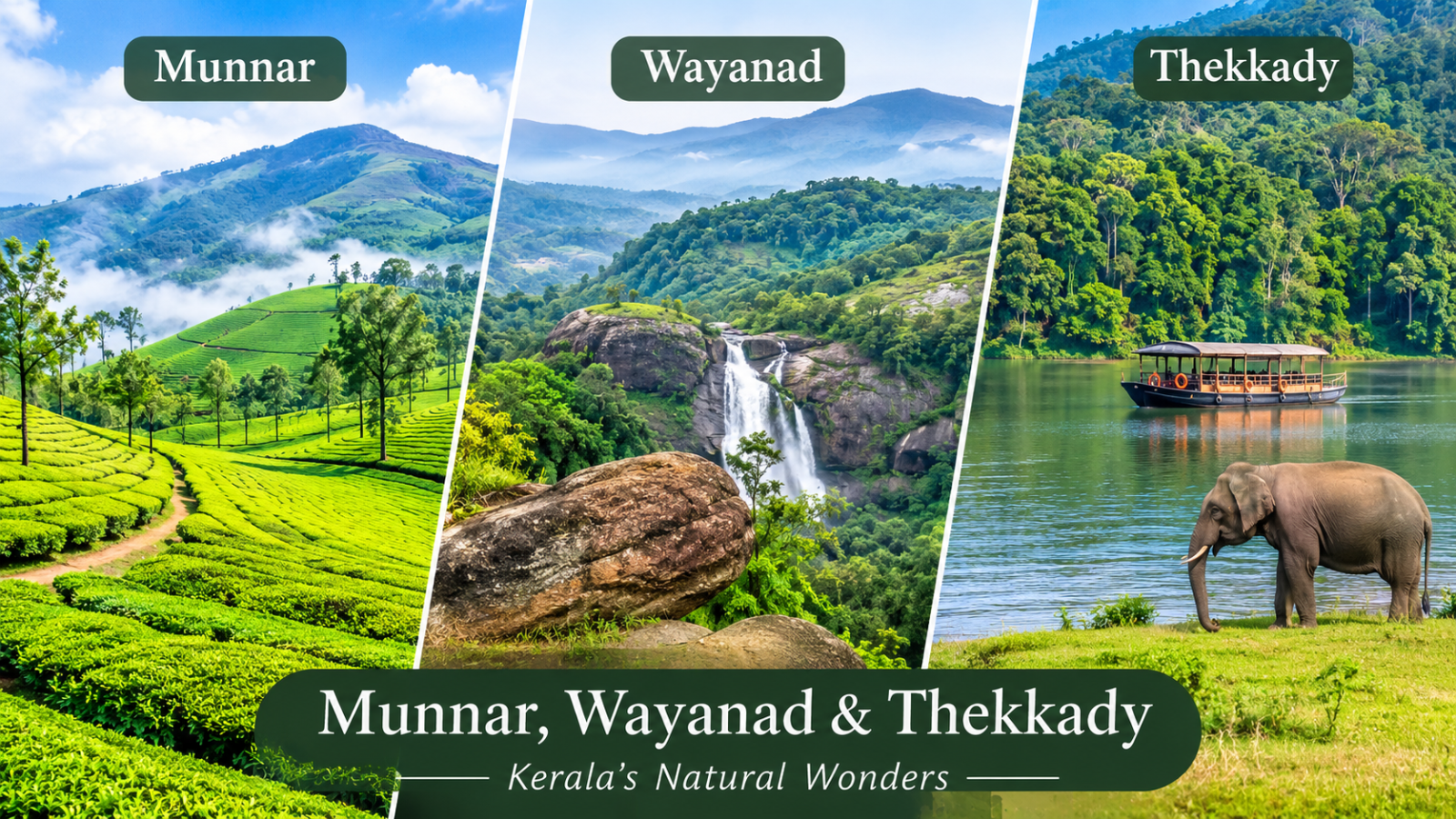
Each destination has its own character. Munnar is celebrated for its emerald tea estates, cool mountain climate and spectacular viewpoints. Wayanad offers an enchanting landscape of coffee plantations, waterfalls, ancient rock shelters and forest reserves. Thekkady, meanwhile, provides access to the celebrated Periyar landscape, where wildlife conservation, guided forest experiences and traditional spice cultivation create memorable encounters with nature.
Together, these destinations offer an excellent foundation for a personalised Kerala holiday. Whether you are planning a romantic escape, a family adventure or an extended luxury journey through southern India, they provide opportunities to experience the region at a comfortable pace.
For international visitors considering Luxury India Holidays, this combination is particularly attractive. Carefully selected plantation retreats, private sightseeing, scenic road journeys and authentic local experiences can transform a conventional sightseeing holiday into a more immersive journey through Kerala.
Why Visit Munnar, Wayanad & Thekkady on a Kerala Holiday?
Kerala's appeal extends far beyond its famous backwaters and beaches. Its mountainous interior is part of the Western Ghats, a globally significant ecological region recognised as a UNESCO World Heritage property. The mountain range supports diverse forest ecosystems and exceptional plant and animal biodiversity, making it particularly rewarding for nature enthusiasts.
Munnar, Wayanad and Thekkady allow visitors to appreciate this natural diversity through three different experiences.
Munnar introduces travellers to the highland scenery of southern Kerala. Its rolling tea plantations, winding mountain roads and cooler temperatures create an inviting atmosphere for relaxation, photography and outdoor exploration. Plantation visits also offer an opportunity to understand the history and continuing importance of tea cultivation in the region.
Wayanad presents a different environment, characterised by forested hills, coffee-growing landscapes, waterfalls and archaeological heritage. It is an excellent choice for travellers who enjoy combining outdoor activities with opportunities to learn about local history and agricultural traditions.
Thekkady is especially appealing to wildlife enthusiasts. Its proximity to Periyar Tiger Reserve provides access to organised boating, guided nature walks and forest-based activities. The surrounding countryside is also known for growing cardamom, black pepper and other spices that have played an important role in Kerala's history of trade.
The destinations complement one another, although they are not neighbouring resorts within a compact geographical area. Munnar and Thekkady are relatively straightforward to combine, while Wayanad lies considerably farther north and requires additional road travel.
For visitors planning luxury holidays to India, this distinction is important. A thoughtfully arranged itinerary should allow sufficient time for travel, relaxation and exploration rather than attempting to cover every attraction in a few hurried days.
Munnar – Kerala's Beautiful Tea Plantation Hills
Situated in Kerala's Idukki district, Munnar is one of the most recognisable hill stations in South India. Its landscape is defined by extensive tea gardens, forested slopes, mountain streams and valleys that frequently become covered in mist.
The area's elevation creates a noticeably cooler climate than many of Kerala's coastal destinations. This makes Munnar an attractive retreat for couples, families and travellers looking to spend a few peaceful days surrounded by mountain scenery.
Beyond its beautiful views, the destination has a fascinating plantation heritage. Tea cultivation shaped much of its modern development, and visitors can still explore estates and learn about the processes involved in producing one of the world's most widely consumed beverages.
Exploring Munnar's Famous Tea Plantations
The tea plantations are among Munnar's defining attractions. Neatly maintained rows of tea bushes extend across hillsides, creating a striking pattern of green landscapes that changes with the weather and light.
A visit to the tea estates provides more than an opportunity for scenic photography. Travellers can learn how tea plants are cultivated, how fresh leaves are harvested and how the leaves are processed to create different varieties of tea.
Some organised plantation experiences include guided walks through the estates, visits to tea-processing facilities and opportunities to sample locally produced teas. The Tata Tea Museum is another worthwhile stop for understanding the region's plantation history and the development of tea manufacturing.
For visitors interested in a slower holiday, staying at a plantation property can be particularly rewarding. Waking up to mountain views, enjoying breakfast overlooking the tea gardens and taking gentle walks through the surrounding countryside create an experience quite different from staying in a busy town.
Best Places to Visit in Munnar
Munnar sightseeing combines natural attractions, viewpoints and opportunities to understand the area's ecological and cultural heritage.
Eravikulam National Park: This protected landscape is particularly important for the conservation of the endangered Nilgiri Tahr. Visitors can explore designated areas and appreciate the high-altitude grasslands and mountain scenery. Access arrangements and visitor routes are controlled by park authorities, so checking current entry information before travelling is advisable.
Mattupetty Dam: Surrounded by green hills, the reservoir is a popular stop for photography and peaceful views. Depending on operating conditions, visitors may also find boating opportunities in the area.
Top Station: Known for its expansive mountain views, Top Station is an appealing excursion for travellers interested in photography and panoramic scenery. Clear mornings can provide particularly impressive views across the surrounding valleys.
Echo Point: This scenic location is known for its natural echo phenomenon and attractive surroundings. It is a popular stop for families and visitors exploring the wider Munnar region.
Tea Museum: A visit to the museum provides insight into the area's tea-growing traditions, processing methods and plantation development.
Other worthwhile places include Pothamedu View Point and Attukad Waterfalls, particularly for travellers who enjoy scenic drives and photography.
Wildlife and Nature Experiences in Munnar
Munnar is an important destination for nature enthusiasts because of its proximity to distinctive mountain ecosystems. Eravikulam National Park is especially significant for the Nilgiri Tahr, a mountain-dwelling species associated with the Western Ghats.
The surrounding forests and grasslands also support numerous bird species, butterflies and other wildlife. Visitors interested in biodiversity can appreciate the ecological differences between open grasslands, shola forests and plantation landscapes.
Wildlife observation should always take place responsibly. Visitors should remain on authorised routes, maintain appropriate distances from animals and avoid feeding or disturbing wildlife.
Trekking and Outdoor Activities in Munnar
Munnar offers opportunities for gentle nature walks as well as more demanding mountain excursions. Depending on local permissions and conditions, visitors can explore designated trails, enjoy plantation walks and photograph the surrounding landscapes.
Popular outdoor interests include:
-
Guided walks through tea-growing areas.
-
Mountain viewpoints and landscape photography.
-
Nature excursions around forested hills.
-
Cycling along selected scenic roads.
-
Authorised trekking experiences.
Not every trail is suitable for every visitor. Some routes involve steep climbs, uneven surfaces and changing weather conditions. Travellers should check access restrictions and choose activities according to their fitness levels.
Luxury Resorts and Plantation Stays in Munnar
Accommodation is an important part of the Munnar experience. The region has properties ranging from comfortable mountain hotels to boutique retreats surrounded by tea estates.
For a premium holiday, consider accommodation offering spacious rooms, attractive valley views, quality dining and easy access to the countryside. Some properties also provide spa treatments, wellness facilities and organised nature activities.
A plantation-inspired stay is particularly appealing to couples and travellers seeking tranquillity. Rather than spending every day travelling between attractions, guests can enjoy the scenery from their accommodation and arrange selected excursions.
This approach works especially well for luxury Kerala holidays, where relaxation and meaningful experiences should receive as much attention as sightseeing.
Wayanad – Rainforests, Waterfalls and Authentic Kerala Experiences
Located in northern Kerala, Wayanad offers a different perspective on the state's natural beauty. Its rolling hills, evergreen forests, coffee estates and spice plantations create an attractive setting for travellers who enjoy outdoor exploration and quieter countryside experiences.
The destination is particularly appealing to visitors interested in combining nature with cultural heritage. Ancient rock shelters, traditional agricultural practices, village communities and protected wildlife habitats provide plenty of opportunities to understand the region beyond its scenic landscapes.
Wayanad also offers a more adventurous atmosphere than some of Kerala's established resort destinations. Visitors can plan walks, explore waterfalls, enjoy plantation experiences and arrange authorised wildlife excursions.
Exploring Wayanad's Coffee and Spice Plantations
Agriculture is an important part of Wayanad's identity. Unlike Munnar, where tea plantations dominate the landscape, Wayanad is particularly associated with coffee cultivation, alongside tea and a variety of spices.
Coffee estates are often surrounded by shade trees and climbing pepper vines, creating a distinctive landscape. Visitors can learn about the cultivation, harvesting and processing of coffee, while plantation walks provide insight into the region's agricultural traditions.
Spice gardens are another worthwhile experience. Depending on the plantation, visitors may encounter black pepper, cardamom, cinnamon, ginger and other crops.
For international travellers, these experiences provide a useful introduction to Kerala's agricultural heritage. The region's climate and varied elevations support different plantation crops, contributing to the diversity of its countryside.
A private guided plantation visit can be particularly rewarding for couples and families. It provides time to ask questions, understand local farming practices and enjoy the natural surroundings without rushing between attractions.
Best Places to Visit in Wayanad
Wayanad has a varied collection of natural and historical attractions. The following places are worth considering when planning a Wayanad travel guide for a first visit.
Edakkal Caves: These prehistoric rock shelters are among the region's most fascinating historical attractions. They contain ancient engravings and pictorial markings that offer evidence of early human settlement. Despite their name, they are naturally formed rock shelters rather than conventional caves. Reaching the site involves an uphill walk, so comfortable footwear and reasonable mobility are recommended.
Chembra Peak: One of Wayanad's best-known mountain landmarks, Chembra Peak attracts adventure enthusiasts interested in trekking and elevated viewpoints. The surrounding landscape includes green hills and forested slopes. Trekking access is subject to forest permissions and local restrictions, which should be checked before making arrangements.
Banasura Sagar Dam: Known for its expansive reservoir and surrounding hills, this is an appealing destination for landscape photography and peaceful sightseeing. Boating opportunities may be available depending on operating conditions. It is also recognised as one of India's largest earthen dams.
Soochipara Falls: Also known as Sentinel Rock Waterfalls, this attraction is surrounded by forested scenery. The approach can involve walking over uneven terrain, and access may be restricted when water levels or weather conditions make the area unsafe.
Meenmutty Falls: Known for its impressive cascading water and natural surroundings, Meenmutty is attractive to travellers who enjoy waterfall scenery. The route can be physically demanding, so visitors should confirm current access arrangements and assess their fitness before visiting.
Wayanad Wildlife Sanctuary: This protected area is part of the wider Nilgiri Biosphere Reserve and provides habitat for elephants, deer, birds and other wildlife. The sanctuary includes the Muthanga and Tholpetty areas, where authorised wildlife experiences may be available.
The choice of attractions should reflect the amount of time available. Rather than attempting to visit every waterfall and viewpoint in one day, a more comfortable itinerary can combine a historical attraction, a plantation experience and one or two natural highlights.
Wildlife and Biodiversity in Wayanad
Wayanad is an important destination for wildlife enthusiasts because its forests form part of a larger connected landscape across Kerala, Karnataka and Tamil Nadu.
The region's protected areas support elephants, deer, wild boar, various primates and numerous bird species. Tigers also inhabit the wider forest ecosystem, although sightings are unpredictable.
The Wayanad Wildlife Sanctuary offers authorised jeep safari opportunities in designated tourist areas. Early morning and late afternoon excursions can be attractive for wildlife observation, depending on the current operating schedule.
Birdwatching is another rewarding activity. The forest landscape provides habitats for different resident and migratory bird species, making guided excursions particularly valuable for enthusiasts.
Responsible wildlife tourism should always take priority over close encounters or guaranteed sightings. Visitors should follow forest department instructions, avoid making excessive noise and never attempt to feed animals.
Adventure and Nature Activities in Wayanad
Wayanad is particularly suitable for travellers who want to incorporate outdoor adventure into their Kerala holiday.
Trekking is one of its main attractions. Depending on permissions, visitors may be able to arrange guided walks around designated mountain and forest routes. Chembra Peak is a notable option, while other trails provide gentler opportunities to appreciate the countryside.
Waterfall excursions offer another way to experience the landscape. During periods of suitable weather, visitors can explore selected waterfalls and enjoy the surrounding vegetation.
Other experiences include:
-
Coffee and spice plantation walks.
-
Guided birdwatching.
-
Landscape and wildlife photography.
-
Scenic drives through mountain roads.
-
Village visits and regional food experiences.
-
Authorised forest excursions.
Families should select activities according to the ages and abilities of their children. Some mountain trails and waterfall approaches are unsuitable for very young children or travellers with limited mobility.
Luxury Resorts and Eco-Friendly Stays in Wayanad
Wayanad has an appealing selection of countryside accommodation, including boutique resorts, plantation properties and forest-inspired retreats.
For luxury travellers, the main attraction is the opportunity to stay in peaceful natural surroundings while enjoying modern comforts. Properties may offer spacious accommodation, private balconies, outdoor dining, wellness facilities and organised excursions. Facilities vary between properties and should be checked individually.
Coffee estate accommodation is particularly attractive for visitors interested in agricultural heritage. Guests can enjoy the peaceful surroundings, learn about plantation activities and experience the changing atmosphere of the countryside throughout the day.
Eco-conscious accommodation can also be a good choice, particularly where properties demonstrate responsible water use, waste management and support for local employment.
For couples, Wayanad offers a peaceful setting for a romantic retreat. Families may prefer properties with larger rooms, suitable dining arrangements and convenient access to selected attractions.
A well-planned South India luxury holidays itinerary can use Wayanad as a countryside retreat between other regional experiences.
Thekkady – Wildlife, Spice Plantations and Forest Adventures
Located in Kerala's Idukki district, Thekkady is one of the state's most appealing destinations for travellers interested in wildlife and spice-growing traditions.
Its main attraction is Periyar Tiger Reserve, a protected landscape known for its forests, lake and biodiversity. The area offers a range of organised nature-based experiences, including boat excursions, guided forest walks and bamboo rafting.
Thekkady also has a strong connection with Kerala's historic spice trade. Its surrounding countryside is particularly associated with cardamom and pepper cultivation, and plantation visits provide an opportunity to understand the agricultural practices behind these valuable crops.
Unlike Munnar's open tea-covered hills, Thekkady offers a more forest-oriented experience. It is an excellent addition to a Kerala itinerary for visitors who want to balance mountain scenery with wildlife and plantation exploration.
Exploring Periyar Tiger Reserve
Periyar Tiger Reserve is among India's recognised wildlife conservation landscapes. Its forests, grasslands and lake habitats support a variety of mammals, birds, reptiles and other wildlife.
The reserve is particularly known for elephants, gaur, sambar deer, wild boar and numerous bird species. Tigers are also part of its ecological landscape, although spotting one requires considerable luck.
The reserve's conservation importance makes it an appealing destination for travellers interested in understanding India's natural heritage. Rather than treating a wildlife visit as simply an opportunity to photograph large animals, visitors can learn about forest ecosystems, habitat protection and the challenges of conservation.
The most appropriate way to explore the protected area is through authorised programmes operated by the reserve.
Periyar Lake and Wildlife Experiences
One of the best-known experiences in Thekkady is a boat excursion on Periyar Lake.
The lake is surrounded by forested hills, creating an attractive setting for observing the landscape from the water. During organised boat trips, visitors may see animals approaching the lake's edges, while birdlife provides additional interest.
The official reserve website describes boat excursions lasting approximately 1.5 hours, with scheduled departures. Timings and availability should always be confirmed when booking.
Wildlife Experience in Thekkady
Boating is particularly suitable for visitors who prefer a relatively relaxed wildlife experience. It can also be a useful option for families and older travellers who may not wish to undertake a longer forest trek.
However, wildlife sightings are never guaranteed. The most rewarding approach is to appreciate the forest scenery and natural environment rather than measuring the success of the excursion by the number of animals observed.
Guided Forest Walks and Bamboo Rafting
For visitors seeking a more immersive experience, Periyar offers organised forest activities that allow them to appreciate the reserve on foot and from the water.
Guided nature walks: These excursions introduce visitors to forest habitats, birds, butterflies and other aspects of biodiversity. Kerala Tourism describes a guided Periyar nature walk lasting around two and a half hours, covering approximately four to five kilometres. Programmes operate with trained guides and small groups, subject to availability.
Bamboo rafting: This is a distinctive nature-based experience combining trekking and time on the lake using bamboo rafts. The half-day programme described by the reserve includes several hours of trekking followed by rafting, offering views of forest-covered hills.
Wildlife Experience in Thekkady : These activities are suitable for visitors interested in active nature tourism, but they require consideration of fitness, weather and programme conditions. Guests should follow guide instructions and check any age, health or equipment requirements before booking.
Exploring Thekkady's Spice Plantations
Thekkady's spice plantations provide an interesting introduction to the agricultural heritage of Kerala.
Cardamom is particularly important in the surrounding highland areas. Visitors may also encounter black pepper, cinnamon, cloves and other crops depending on the plantation.
A guided spice plantation tour can explain how different plants grow, how crops are harvested and how traditional knowledge influences cultivation. It also helps visitors understand why Kerala became such an important centre of the international spice trade.
The experience can be particularly enjoyable for food lovers. Many traditional South Indian dishes use spices grown in the region, and visitors can appreciate the relationship between local agriculture and Kerala's distinctive cuisine.
Luxury Accommodation in Thekkady
Thekkady's accommodation options include forest-inspired resorts, plantation properties and boutique hotels.
For an upscale stay, look for properties offering comfortable rooms, peaceful surroundings, quality dining and convenient access to organised reserve activities. Some accommodation providers also arrange plantation visits and guided experiences, although these should be confirmed directly.
A nature-focused retreat can be an excellent choice for couples and wildlife enthusiasts. The aim is to enjoy the surrounding environment while maintaining the comfort and privacy expected from a premium holiday.
Combining a few nights in Thekkady with a plantation stay in Munnar creates a particularly appealing section of a luxury tour of India, especially for travellers who appreciate both scenery and wildlife.
Best Experiences to Enjoy Across Munnar, Wayanad & Thekkady
One of the advantages of including these three destinations in a single holiday is the variety of experiences they offer.
Tea plantation walks in Munnar: Explore the rolling tea estates, learn about tea production and enjoy the mountain scenery. This is particularly appealing to couples and travellers who prefer gentle outdoor activities.
Coffee and spice estate visits in Wayanad: Learn about coffee cultivation and regional agricultural traditions. These excursions are suitable for families, food enthusiasts and visitors interested in rural life.
Wildlife experiences in Thekkady: Choose authorised boat excursions, guided forest walks or bamboo rafting to appreciate the biodiversity of Periyar Tiger Reserve.
Scenic mountain drives: The roads around Munnar and Wayanad provide beautiful views of hills, plantations and forested valleys. A private chauffeur-driven journey allows travellers to stop at suitable viewpoints and enjoy the countryside at a comfortable pace.
Trekking and nature photography: Munnar and Wayanad offer a variety of outdoor opportunities, while Thekkady's guided programmes provide a different perspective on forest environments.
Traditional Kerala cuisine: Try regional specialities such as appam with stew, puttu, kadala curry, vegetable preparations and locally prepared seafood. Travellers can request milder dishes where needed.
Wellness and Ayurvedic experiences: Kerala has a long-standing association with Ayurveda. Visitors interested in wellness treatments should choose appropriately qualified practitioners and reputable centres rather than assuming that every spa offers authentic Ayurvedic care.
Luxury nature retreats: Each destination provides opportunities to slow down and enjoy its surroundings. A carefully selected combination of plantation accommodation, forest retreats and mountain-view properties can make the journey particularly memorable.
The ideal experiences will depend on the traveller's interests. A family may prioritise accessible attractions and educational plantation visits, while a couple may prefer secluded accommodation and private excursions.
Best Time to Visit Munnar, Wayanad & Thekkady
Kerala experiences tropical weather influenced by two monsoon seasons. The best time to visit depends on whether you prioritise comfortable sightseeing, lush monsoon scenery, wildlife experiences or outdoor adventure.
For most international visitors, October to February is a particularly attractive period for exploring these destinations.
October to February – The Most Comfortable Sightseeing Season
These months generally offer pleasant conditions for exploring Kerala's hill stations and countryside.
Munnar's temperatures are often cooler, particularly in the mornings and evenings, making it a good time for plantation walks, sightseeing and scenic drives.
Wayanad is also attractive during this period, with opportunities to explore its waterfalls, plantations and wildlife areas, subject to local conditions.
In Thekkady, the comparatively comfortable weather is suitable for boat excursions and guided nature activities.
December and January can be particularly popular, so arranging accommodation and popular activities in advance is sensible.
March to May – Warmer Weather and Quieter Retreats
The summer months bring warmer conditions across much of Kerala, although the higher elevations of Munnar and Wayanad can remain comparatively comfortable.
This period can suit visitors who prefer quieter resorts and flexible sightseeing schedules. Early morning excursions are generally more comfortable than activities during the hottest part of the day.
Wildlife observation may also be rewarding in selected areas, although sightings depend on natural conditions and reserve management.
June to September – Southwest Monsoon
The southwest monsoon brings substantial rainfall to Kerala, transforming its hills, forests and plantations into particularly lush landscapes.
Munnar's tea-covered slopes become greener, while Wayanad's forests and waterfalls take on a dramatic appearance. The season can be attractive for travellers interested in photography, peaceful accommodation and monsoon scenery.
However, heavy rainfall can affect trekking, waterfall access, road conditions and wildlife activities. Landslides and temporary road restrictions are also possible in vulnerable areas.
Visitors should not assume that every outdoor attraction will remain accessible during the rainy season.
October to December – Northeast Monsoon
Kerala can receive additional rainfall during the northeast monsoon, particularly from October into December.
Although conditions vary, this period may bring showers that affect outdoor activities and road travel. It is worth allowing flexibility in the itinerary and checking local forecasts before travelling.
Kerala Tourism identifies June to September as the southwest monsoon period and October to December as the northeast monsoon period.
Overall recommendation: For a first visit combining all three destinations, November to February is a sensible starting point. Travellers considering other months should plan according to local weather, attraction access and their preferred activities.
How to Travel Between Munnar, Wayanad & Thekkady
Planning transport is particularly important when combining these destinations because they are spread across different parts of Kerala.
Munnar and Thekkady are located in the central-eastern highlands and can be incorporated into a relatively natural sightseeing route. Wayanad, however, is in northern Kerala, requiring a considerably longer journey.
Understanding these geographical differences helps international travellers avoid spending too much of their holiday travelling between hotels.
Major Arrival Airports
Cochin International Airport: This is generally the most convenient international arrival point for a route covering Munnar and Thekkady. It can also be used when planning a longer journey towards Wayanad.
Calicut International Airport: Also known as Kozhikode International Airport, this is particularly useful for travellers beginning or ending their holiday in Wayanad.
Other possible gateways include Kannur International Airport and airports in neighbouring states, depending on flight connections and the overall itinerary.
For international travellers arriving from Europe or the UK, flight connections, arrival times and domestic transfers should be considered together.
Private Chauffeur-Driven Travel
For a comfortable holiday, private chauffeur-driven transport is often a practical way to explore Kerala's hill regions.
It allows travellers to:
-
Travel at their preferred pace.
-
Stop at suitable viewpoints.
-
Carry luggage comfortably.
-
Arrange convenient rest breaks.
-
Avoid the complexity of navigating unfamiliar mountain roads.
-
Adjust the schedule according to weather and personal interests.
Road travel in the Western Ghats can involve winding routes, steep sections and slower speeds than expected. Travellers should therefore allow generous journey times rather than planning sightseeing immediately after long transfers.
Kerala Tourism's distance information provides useful reference points for regional road planning, although individual routes and journey times vary.
For a comfortable holiday, avoid attempting to travel from Wayanad to Thekkady and then immediately undertake a full day of sightseeing.
Instead, use intermediate overnight stops or arrange a route that moves progressively through the state.
Suggested Kerala Itinerary for International Travellers
A well-designed itinerary should balance travel, sightseeing and relaxation. For visitors interested in all three destinations, a 9–12-day holiday is a reasonable starting point, although a longer trip would allow more time for additional experiences.
Suggested 11-Day Munnar, Thekkady and Wayanad Holiday
Day 1 – Arrive in Kochi
Arrive at Cochin International Airport and transfer to your hotel. Depending on your arrival time, enjoy a relaxed evening and recover from your international flight.
Days 2–4 – Munnar (3 nights)
Travel to Munnar and settle into a plantation or mountain-view resort.
Explore the tea estates, visit the Tea Museum and enjoy selected sightseeing around Mattupetty Dam, Echo Point and nearby viewpoints.
Allow time for an authorised nature experience or a guided plantation walk.
Days 5–6 – Thekkady (2 nights)
Travel from Munnar to Thekkady through the scenic highland countryside.
Visit a spice plantation and choose an authorised Periyar Lake boat excursion or guided nature programme.
A second night provides sufficient flexibility for a more active forest experience or a relaxed resort day.
Days 7–9 – Wayanad (3 nights)
Travel north towards Wayanad, allowing most of the day for the road journey.
Once there, explore the coffee plantations and select attractions such as Edakkal Caves or Banasura Sagar Dam.
Reserve another day for a suitable waterfall visit, guided nature excursion or authorised wildlife activity.
Day 10 – Wayanad at Leisure
Enjoy a slower day at your resort, perhaps with a plantation walk, local dining experience or scenic excursion.
Day 11 – Departure
Transfer to Calicut International Airport for departure, subject to your onward flight arrangements.
This itinerary is designed as a practical framework rather than a fixed schedule. An alternative arrangement could place Wayanad first, followed by Thekkady and Munnar, depending on flight availability and preferred departure arrangements.
For visitors with additional time, Kochi, Kumarakom or Alleppey can be considered as further additions to a wider Kerala journey.
Travellers should also understand that the Wayanad-to-central-Kerala transfer is substantial. An overnight break or a longer holiday may be preferable for those who dislike extended road journeys.
Luxury India Holidays – Experiencing Kerala in Comfort and Style
A memorable luxury holiday is not simply about choosing expensive accommodation. It is about having the freedom to explore a destination at a comfortable pace, enjoy meaningful experiences and avoid unnecessary travel complications.
Kerala is particularly well suited to this approach because its countryside offers a variety of beautiful settings for premium accommodation and personalised activities.
For travellers considering Luxury India Holidays, Munnar, Wayanad and Thekkady can form an interesting part of a wider South India journey.
Boutique Tea Plantation Accommodation
In Munnar, consider a carefully selected plantation retreat offering attractive mountain views and access to tea-growing landscapes.
A private or spacious room, quality dining and opportunities for guided estate walks can make the stay more memorable.
Private Plantation Experiences
In Wayanad and Thekkady, private guided visits can introduce travellers to coffee and spice cultivation.
These experiences offer opportunities to learn about local agriculture while enjoying the countryside away from crowded sightseeing areas.
Premium Wildlife Experiences
Thekkady provides opportunities to arrange authorised nature activities through Periyar Tiger Reserve.
A well-organised itinerary can include suitable boat excursions, guided walks and other approved programmes, depending on availability.
The emphasis should be on understanding the natural environment rather than promising close encounters with wildlife.
Private Transport and Personalised Sightseeing
Private transport is particularly valuable when exploring Kerala's hill regions.
A tailor-made journey can incorporate suitable rest stops, preferred sightseeing times and accommodation selected according to each traveller's interests.
This flexibility is one of the advantages of bespoke India holidays compared with rigid group tours.
Wellness and Authentic Dining
Kerala's association with Ayurveda makes it an appealing destination for travellers interested in wellness.
Visitors can also enjoy traditional cuisine, regional cooking experiences and locally sourced ingredients.
For those considering a wider luxury tour of India, Kerala can complement Rajasthan's royal heritage, the cultural attractions of Tamil Nadu or the beaches of Goa.
A thoughtfully planned itinerary allows travellers to experience different sides of India without compromising on comfort.
Indian Odyssey can help arrange personalised travel planning, selected accommodation and private transport for visitors looking to experience these destinations as part of a wider India holiday.
Essential Travel Tips for Western Visitors to Kerala
A little preparation can make travelling around Kerala considerably more comfortable, particularly for visitors unfamiliar with India's climate and road conditions.
Clothing and Packing
Pack lightweight, breathable clothing for the warmer lowland areas. Munnar's higher elevations can feel considerably cooler, particularly in the mornings and evenings.
A light jacket, comfortable walking shoes, sun protection and a waterproof layer are useful additions.
For trekking and forest activities, choose suitable footwear and clothing that provides protection against insects and changing weather.
Food and Dietary Preferences
Kerala's cuisine is diverse and includes vegetarian, seafood, meat and plant-based dishes.
Popular local foods include appam, puttu, idiyappam, vegetable stews and traditional curries.
Some dishes can be spicy, so communicate your preferences to restaurant staff. Hotels serving international guests can often accommodate dietary requirements if informed in advance.
Drinking Water and Food Hygiene
Choose sealed bottled water or appropriately filtered drinking water from reputable establishments.
Be sensible when selecting street food and meals from unfamiliar locations. Travellers with specific dietary requirements should discuss ingredients with restaurant staff.
Travel Insurance and Medical Facilities
Comprehensive travel insurance is advisable, particularly if your itinerary includes trekking and outdoor adventure activities.
Check that your policy covers the activities you intend to undertake.
Carry essential personal medication and keep important medical information accessible. For more remote areas, identify the nearest appropriate medical facility before undertaking demanding excursions.
Local Transport and Payments
The Indian rupee is the local currency. Cards and digital payments are widely accepted in many established hotels and businesses, although cash remains useful for smaller purchases and rural areas.
Mobile connectivity is generally available in populated destinations, but coverage can become weaker in forested and mountainous locations.
Local Customs and Etiquette
Kerala has a rich cultural heritage, and visitors should dress respectfully when entering religious places.
Remove footwear where requested, follow photography restrictions and respect local traditions.
When visiting villages or interacting with plantations and indigenous communities, always seek permission before photographing individuals.
For additional preparation, Kerala Tourism provides practical guidance on packing, local food and travel arrangements.
Responsible and Sustainable Tourism in Kerala
The landscapes around Munnar, Wayanad and Thekkady are environmentally important, and responsible tourism plays a significant role in protecting them.
The Western Ghats support exceptional biodiversity, including numerous threatened species. Their forests also influence regional climate and water systems.
Visitors can support conservation by making thoughtful decisions throughout their journey.
Respect protected forest areas: Follow designated routes and never enter restricted areas without permission.
Choose responsible wildlife experiences: Use authorised forest programmes and avoid operators who promise guaranteed sightings or encourage inappropriate animal interactions.
Support local communities: Consider locally owned businesses, responsible guides and accommodation that creates employment opportunities for residents.
Reduce plastic waste: Carry reusable water bottles where suitable and avoid leaving rubbish in natural areas.
Respect local traditions: Be considerate when visiting rural communities and cultural sites, particularly when photographing people or private property.
Choose environmentally responsible accommodation: Look for properties that demonstrate genuine efforts to reduce waste, manage water responsibly and protect their surroundings.
Responsible tourism makes a meaningful contribution to preserving Kerala's natural and cultural heritage for future generations.
Frequently asked questions (FAQs)
These questions can be incorporated into an FAQ section near the end of the published article.
1. Are Munnar, Wayanad and Thekkady worth visiting together?
Yes. Each destination offers a different experience. Munnar is known for tea plantations and mountain scenery, Wayanad for forests, coffee estates and waterfalls, and Thekkady for wildlife and spice plantations. They make an interesting combination for a longer Kerala holiday, although Wayanad requires additional travel time.
2. How many days are enough to visit Munnar, Wayanad and Thekkady?
Around 9–12 days is a reasonable starting point. Three nights in Munnar, two in Thekkady and three in Wayanad allow time for sightseeing and relaxation, with additional time for transfers and departure arrangements.
3. What is the best month to visit Munnar, Wayanad and Thekkady?
November to February is generally a good period for comfortable sightseeing. These months usually offer favourable conditions for exploring plantations, enjoying scenic drives and participating in selected outdoor activities.
4. Can international travellers enjoy luxury holidays in Munnar, Wayanad and Thekkady?
Yes. All three destinations offer opportunities for premium accommodation, plantation retreats, private transport and personalised nature experiences. Accommodation facilities and available activities vary by property.
5. Is Wayanad close to Munnar and Thekkady?
No. Wayanad is in northern Kerala, while Munnar and Thekkady are in the central-eastern part of the state. Travelling between Wayanad and the other destinations involves a substantial road journey, so allowing sufficient time is important.




Share this page with your family and friends.