London is home to businesses of every size, from independent retailers and restaurants to corporate offices, warehouses, construction sites and large commercial premises. With valuable property, equipment, stock, data and people to protect, businesses need to consider security as part of their everyday operations.
Professional security services can provide a physical presence at business premises and support measures such as access control, patrols and incident reporting. When combined with appropriate technology and internal procedures, trained security personnel can help businesses create a more organised approach to managing potential security risks.
Protecting Business Premises and Assets
Commercial premises can contain valuable equipment, stock, documents, computers and other assets. Depending on the type of business, some areas may also contain confidential information or restricted equipment. Unauthorised access, theft and property damage can disrupt normal operations and create additional costs for a business.
Professional security officers can monitor designated areas, control access points and carry out patrols according to agreed procedures. Their presence can complement measures such as CCTV, alarms, security lighting and electronic access systems, creating multiple layers of protection around a business premises.
Creating a Visible Security Presence
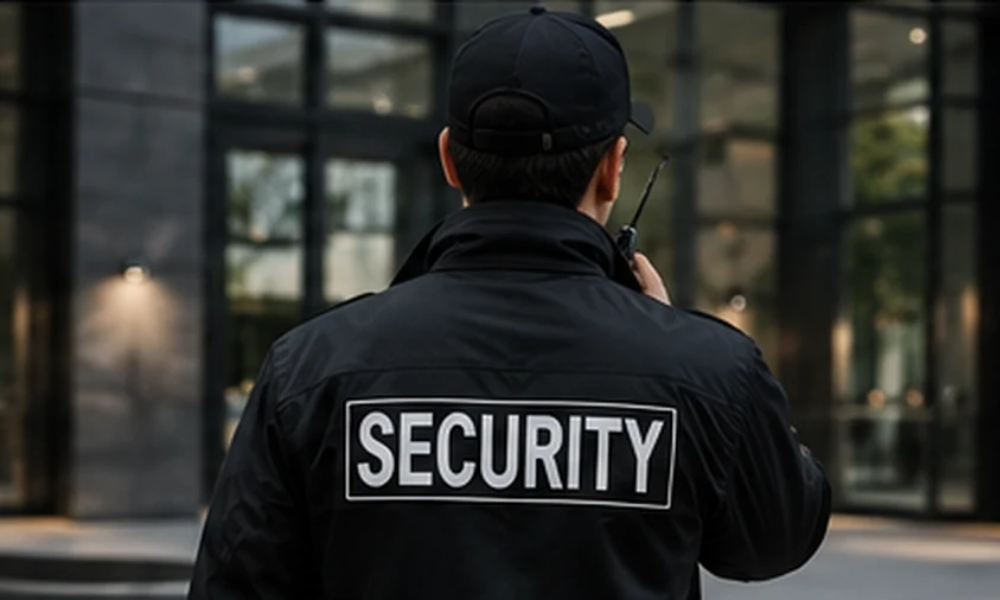
A visible security presence can help businesses maintain a more controlled environment. Security officers positioned at entrances, reception areas or other key locations can monitor activity and identify situations that may require attention. Their presence can also provide employees and visitors with a clear point of contact for security-related concerns.
The Security Industry Authority (SIA) recognises the role of visible, alert and professional security in deterring incidents and helping to minimise their impact. The effectiveness of a security presence will depend on factors such as the premises, staffing arrangements, procedures and identified risks, so businesses should consider their individual requirements when planning security.
Supporting Employees and Visitors
Security is not limited to protecting physical property. Employees, customers, contractors and visitors may also benefit from clear security procedures within a commercial environment. Depending on the premises, security personnel may monitor entrances, manage visitor access or respond to concerns raised by staff.
For customer-facing businesses, maintaining an orderly environment can be particularly important. Retail shops, hotels, offices, restaurants and event venues may have different security requirements based on visitor numbers, opening hours and the nature of their operations. Professional security can form part of the wider arrangements used to manage these environments.
Managing Different Types of Security Risks
Security requirements vary considerably between businesses. An office may need reception security and access control, while a warehouse could require perimeter monitoring and regular patrols. A retail business may have concerns around stock and customer safety, whereas a construction site may need protection for equipment, materials and temporary structures.
Businesses can work with a security company to identify services that are suitable for their particular premises and operating environment. Security guarding, key holding, door supervision and other services may be relevant in different circumstances. The appropriate arrangement should be based on the actual risks rather than using the same security model for every type of business.
Improving Access Control
Controlling access is an important part of commercial security. Businesses may need to restrict entry to certain areas or ensure that only authorised employees, contractors and visitors can access the premises. Poorly controlled access can increase the risk of theft, unauthorised activity and other security incidents.
Security officers can support access-control procedures by monitoring entrances, checking visitors where required and following instructions established by the business. This can work alongside electronic systems such as key cards, PINs, biometric controls and visitor management software, providing both physical and technological layers of protection.
Supporting Incident Response
Security incidents can occur even when preventative measures are already in place. Having trained personnel on site can provide businesses with an immediate point of response when unusual activity or an incident is identified. Security officers can follow established procedures, notify responsible staff and escalate serious situations to the appropriate emergency services.
Preparation is an important part of effective incident management. Businesses can establish procedures covering situations such as unauthorised access, suspicious behaviour, emergencies and evacuation. Security personnel can then work within these procedures and maintain communication with relevant members of staff when an incident occurs.
The Importance of SIA Licensing
Businesses should check whether the security activities they require are regulated under UK legislation. The Security Industry Authority states that certain activities, including security guarding, door supervision and key holding, may require an SIA licence depending on the circumstances.
Checking the credentials of security personnel is therefore an important step when arranging professional security. Businesses can use the SIA's official licence-checking service to verify individual licences. This can help ensure that personnel carrying out licensable security activities have the appropriate authorisation.
Supporting Business Continuity
Security incidents can affect more than physical assets. Theft, vandalism, unauthorised access or other incidents may interrupt normal operations and prevent employees from carrying out their work. In some circumstances, businesses may also experience damage to equipment, loss of stock or disruption to customer services.
Security planning can form part of a wider business-continuity strategy. Measures such as CCTV, alarms, access control, security lighting, emergency procedures and trained personnel can work together to reduce vulnerabilities. The specific combination will depend on the size, location and activities of the business.
Choosing Suitable Security Arrangements
Before arranging professional security, businesses should consider the characteristics of their premises and identify the areas that require additional protection. Factors such as opening hours, property size, staff numbers, visitor traffic, valuable assets and existing security technology can all influence the type of support required.
It is also important to review the provider's experience, licensing arrangements, insurance and operating procedures before entering into a contract. Businesses should ensure that security duties are clearly defined and that personnel understand the procedures they are expected to follow. A well-planned arrangement can make physical security easier to manage as part of normal business operations.
Conclusion
Professional security services can support London businesses in protecting premises, assets, employees and visitors. Security personnel can contribute through activities such as guarding, access control, patrols and incident response, while working alongside existing security technology and business procedures.
There is no single security arrangement that suits every organisation. Businesses should assess their individual risks, understand their legal responsibilities and select security measures that match their premises and operations. A structured approach can help businesses maintain a safer and more controlled working environment while supporting day-to-day continuity.




Share this page with your family and friends.