Dental problems do not always happen at a convenient time. A sudden toothache, broken tooth, dental injury, or unexpected swelling can quickly turn an ordinary day into an urgent situation. Emergency dentistry focuses on evaluating and managing dental problems that require prompt attention to protect oral health, relieve significant discomfort, or prevent a condition from becoming more serious. Knowing which symptoms deserve urgent care and what to expect during an emergency visit can help patients respond calmly when an unexpected dental problem occurs.
What Counts as a Dental Emergency?
A dental emergency is generally a problem that causes severe pain, significant bleeding, swelling, trauma, or a risk of losing a tooth or damaging surrounding tissues. A tooth that has been knocked out or badly fractured may need rapid evaluation. Severe tooth pain can also signal decay, infection, or inflammation that requires treatment. Swelling around the jaw or face should not be ignored, especially when it is accompanied by fever or difficulty swallowing. Prompt assessment can help determine the cause and the appropriate next step.
Common Reasons for Urgent Dental Care
Several conditions can lead people to seek emergency dentistry. Deep tooth decay may cause intense, persistent pain. A cracked or broken tooth can expose sensitive inner structures and make eating difficult. Dental infections may cause swelling, tenderness, or a bad taste. Injuries from falls, sports, or accidents can damage teeth and soft tissues. Lost fillings, crowns, or other restorations may also require timely attention when they leave a tooth vulnerable or create sharp edges that irritate the mouth.
What Happens During an Emergency Evaluation?
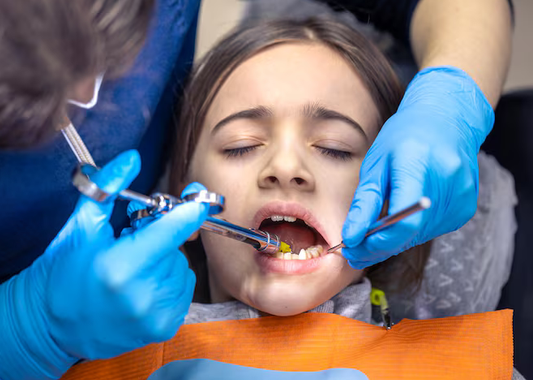
An emergency dental visit usually begins with a discussion of symptoms and what happened before the problem developed. The dental professional may examine the affected tooth, gums, bite, and surrounding tissues. Imaging may be recommended when a fracture, infection, or hidden problem needs further evaluation. The immediate goal is to identify the source of the problem and stabilize the situation. Treatment may be completed during the visit or planned in stages, depending on the condition and complexity.
Managing Pain Before the Appointment
While waiting for professional care, patients should avoid actions that could worsen the injury. Gentle rinsing with water may help keep the mouth clean after certain dental injuries. A cold compress placed outside the cheek can sometimes help reduce swelling. Patients should avoid placing sharp objects or unapproved substances directly on a painful tooth or gum. Over-the-counter pain medication may be appropriate for some adults, but medication instructions and individual health conditions should always be considered.
When a Tooth Is Knocked Out
A knocked-out permanent tooth requires especially prompt attention. If possible, the tooth should be handled carefully by the crown rather than the root. It may sometimes be gently rinsed if visibly dirty, but scrubbing or removing attached tissue should be avoided. Keeping the tooth moist during transport is important. Patients should seek urgent professional care as quickly as possible. Children with injuries involving primary teeth also need evaluation because damage can affect the developing permanent teeth.
Treatment Options Depend on the Cause
Emergency dentistry does not involve one standard procedure. Treatment depends on what caused the problem and the condition of the affected structures. Care may include repairing a damaged restoration, treating an infected tooth, addressing a fracture, controlling bleeding, or removing a tooth that cannot be saved. In some situations, temporary treatment is provided first to control pain or infection, followed by definitive restorative care after the immediate problem has settled.
Preventing Future Dental Emergencies
Not every emergency can be prevented, but regular dental care can reduce many avoidable problems. Routine examinations can identify cavities, weakened restorations, and gum concerns before they become urgent. Wearing appropriate protection during contact sports can lower the risk of dental injuries. Avoiding habits such as chewing ice or very hard objects may also help protect teeth. Good daily brushing and flossing support healthier teeth and gums and can reduce the chance of infections developing unnoticed.
Knowing When to Act
Severe dental pain, facial swelling, uncontrolled bleeding, significant trauma, or a knocked-out permanent tooth should be taken seriously. Delaying care can sometimes allow an infection or injury to become more difficult to manage. Emergency dentistry provides a pathway for addressing urgent dental concerns while protecting long-term oral health. When a problem appears suddenly, seeking professional guidance promptly is often the safest approach. After the immediate issue is controlled, follow-up care can help restore normal comfort and function.




Share this page with your family and friends.