A driver preparing for a long afternoon journey may choose rimless eyewear because it feels light and leaves more of the face visible. However, a minimal frame does not automatically make a pair suitable for the road. Loose lens fittings, poor optical quality, or an unsuitable tint can create problems when quick visual decisions are necessary. Rimless Sunglasses should be assessed for their construction, lens performance, and stability before being used behind the wheel. Their appearance is only one part of the decision; reliable vision and a secure fit matter much more.
“A clear view of the road begins with eyewear that performs as well as it fits.”
1. Are the Lenses Securely Attached to the Frame?
Unlike full-rim designs, rimless eyewear relies on small attachment points to connect the lenses with the bridge and temples. These connections need careful attention because the lenses are not surrounded by a frame that supports their edges. Before choosing a pair, inspect the screws, bushings, and drilled areas for signs of looseness or uneven fitting.
The bridge should hold both lenses in proper alignment, while the side arms should not twist when handled gently. If the mounting points move, the lenses may become misaligned during use. Ask an optician to check the construction if anything feels unstable. A neat appearance is not enough; the fittings must be properly assembled and maintained.
2. Does the Lens Provide Clear Vision Without Distortion?
Driving requires accurate judgement of distance, movement, and road position. A lens that creates waviness or distortion can interfere with how objects appear, particularly when looking through different parts of the lens. Check the view through both lenses before purchasing.
One practical check is to look at straight lines, such as the edges of a door or window, through the eyewear. Move your head slightly while observing whether those lines appear distorted. This simple check cannot replace professional optical testing, but visible irregularities are a reason to reject a pair. Prescription lenses should also be correctly centred and fitted by a qualified optician.
3. Which Lens Qualities Should You Examine?
Lens appearance alone cannot establish whether sunglasses are suitable for driving. Check the product information and examine the actual optical surface.
- UV protection: Look for documented 100% UVA and UVB protection or a UV400 specification.
- Optical clarity: The lenses should provide a clear image without visible waves, bubbles, or irregularities.
- Appropriate tint: Choose a tint that reduces bright sunlight without making the road unnecessarily dark.
- Scratch condition: Reject lenses with marks that interfere with the driver's line of sight.
- Colour recognition: Traffic signals and road signs should remain easy to distinguish through the lenses.
- Lens category: Check the manufacturer's stated light-transmission category and driving suitability.
- Glare control: Polarised lenses may reduce reflections from roads and other smooth surfaces, but should be checked with the vehicle's displays.
These checks help separate functional driving eyewear from glasses designed mainly for appearance.
4. How Should the Frame Fit Around Your Face?
A rimless design may have a light visual profile, but its measurements still determine whether it stays comfortably in place. Poor positioning can cause repeated adjustments, which are distracting during a journey.
- Bridge position: The nose support should hold the lenses evenly without slipping.
- Temple length: The arms should reach comfortably behind the ears without excessive pressure.
- Lens alignment: Both lenses should sit in front of the eyes at a suitable height.
- Side clearance: The temples should not press painfully against the head.
- Cheek clearance: The lenses should not repeatedly touch the cheeks during normal facial movement.
- Secure placement: The glasses should remain stable when the wearer turns their head.
- Balanced weight: The front should not feel unusually heavy compared with the side arms.
A proper fitting session can help identify problems that are difficult to judge from online photographs.
5. What Should You Know About Branded Rimless Designs?
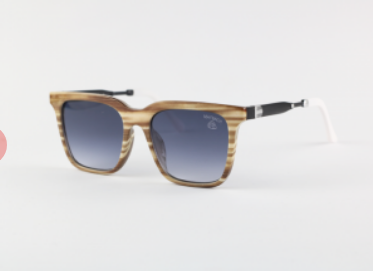
Branded eyewear can differ in materials, construction, lens options, and finishing details. For example, someone researching
carrera sunglasses price in pakistan should also examine what the particular model offers rather than judging it by its brand name alone. Product specifications, seller information, authenticity details, and after-sales support all contribute to an informed purchase.
A branded label does not automatically confirm that a pair is suitable for driving. Check whether the lenses provide documented UV protection and whether the manufacturer identifies them as appropriate for road use. The same practical checks apply to branded and unbranded eyewear.
6. Can Polarised Lenses Improve the Driving Experience?
Polarised lenses can reduce certain reflections from surfaces such as roads, water, and vehicle bodywork. This may make bright journeys more comfortable, but polarisation is not the same as UV protection.
- They can reduce reflected glare from smooth outdoor surfaces.
- They may make some road reflections less distracting.
- Certain dashboard or navigation displays may appear darker at particular angles.
- Their effect can vary depending on the screen technology inside the vehicle.
- Drivers should check whether traffic signal colours remain easy to recognise.
- They should never be treated as a substitute for safe driving practices.
Testing the lenses with the vehicle's displays before a journey can help identify compatibility issues.
7. Are Rimless Sunglasses Suitable for Long Driving Hours?
Long journeys place greater demands on eyewear comfort. Even a small pressure point near the nose or ears can become irritating after several hours. Rimless designs may feel less visually bulky, but comfort still depends on lens weight, nose-pad placement, and temple construction.
Drivers should check whether the glasses remain secure when looking towards side mirrors and turning to check surrounding traffic. If the frame shifts, it may need adjustment by an optician. Carrying a protective case is also useful because exposed lens edges and attachment points need careful handling when the glasses are not being worn.
8. Does the Lens Tint Remain Suitable When Light Changes?
A lens that feels comfortable under strong afternoon sunlight may become too dark when a vehicle enters a shaded road, covered parking area, or tunnel. Drivers should consider how much visible light passes through the lens, not simply how dark it looks.
Sunglasses intended for driving should have a suitable light-transmission category and should not be used at night or in low-light conditions if their tint reduces visibility. Very dark special-purpose lenses may be unsuitable for road use. Drivers should follow the manufacturer's driving guidance and check that traffic signals remain distinguishable.
“The right lens should control harsh brightness without hiding important details.”
9. What Warning Signs Should You Look for Before Buying?
A few simple observations can help identify eyewear that may not be suitable for regular driving.
- Loose screws or fittings around the lens attachment points.
- Cracks, chips, or rough edges near drilled lens areas.
- Visible distortion when looking at straight lines.
- Lenses that sit unevenly or move during ordinary handling.
- Missing information about UV protection or driving suitability.
- A tint that makes traffic signals difficult to recognise.
- A frame that slips, pinches, or obstructs side vision.
If any of these issues appear, ask an optician or the seller for clarification before using the glasses on the road.
10. How Can You Maintain Rimless Eyewear After Purchase?
Rimless construction requires careful handling because the lenses and their small fittings remain more exposed than those in many full-rim designs.
- Keep the glasses inside a hard protective case when not in use.
- Use a clean microfibre cloth for routine lens cleaning.
- Rinse away dust before wiping to reduce the chance of scratching.
- Avoid placing the glasses lens-side down on hard surfaces.
- Do not tighten loose screws yourself if doing so could damage the lens.
- Arrange professional checks if the bridge or temples become unstable.
- Replace damaged lenses or fittings instead of continuing to use compromised eyewear.
Regular care helps preserve lens clarity and reduces unnecessary strain on the attachment points.
Comparison Table: What to Check Before Driving
| |
|
|
| Lens attachment |
Screws, bushings, drilled areas |
Helps maintain lens stability |
| Optical clarity |
Distortion, scratches, surface defects |
Supports clear viewing |
| UV protection |
UV400 or documented protection |
Reduces ultraviolet exposure |
| Lens tint |
Light transmission and colour recognition |
Helps maintain road visibility |
| Frame fit |
Bridge, temples, and lens position |
Reduces slipping and discomfort |
| Polarisation |
Reflections and screen compatibility |
Helps assess glare reduction |
Frequently Asked Questions
1. Are rimless sunglasses suitable for driving?
They can be suitable if their lenses provide clear vision, appropriate UV protection, and a tint approved for driving use. Their attachment points and fit should also be secure.
2. Do rimless sunglasses protect the eyes from UV rays?
They can provide UV protection when fitted with lenses that have verified UV-blocking properties. The absence of a full frame does not determine UV performance.
3. Are polarised rimless sunglasses better for driving?
They may reduce reflected glare, but drivers should check dashboard visibility and traffic signal recognition before using them regularly.
4. Can scratched rimless lenses be used while driving?
Scratches that interfere with vision can be distracting. Damaged lenses should be assessed and replaced when necessary.
5. Should rimless sunglasses be worn for night driving?
Dark sunglasses should not be used at night because they reduce the light reaching the eyes. Use clear, appropriate eyewear if vision correction is required.
Final Thoughts
Choosing eyewear for driving requires attention to details that are easy to overlook. Rimless construction can offer a light appearance, but secure lens fittings, accurate optical quality, suitable tint, and comfortable positioning should guide the decision. Check the manufacturer's specifications and seek an optician's advice if the lens mounting or fit raises concerns. A suitable pair should support clear road awareness without creating distractions during the journey.
“Good eyewear earns its place behind the wheel through clarity, stability, and comfort.”




Share this page with your family and friends.