A fragile item can survive months on a shelf and still break in a single bad drop between the warehouse and the doorstep. That is why choosing the right packaging box for fragile items is about more than picking a sturdy-looking carton. It is about building a protection system in which the box, the cushioning, and the fit all work together. Effective fragile item packaging protects the product from pressure, vibration, and impact, while also keeping it stable and easy to handle. Understanding what makes a packaging box suitable for fragile items helps sellers, makers, and shoppers reduce breakage and avoid the cost of returns. This guide explains what suitability means, which materials and construction work best, how cushioning and inserts help, why size matters, and how to prevent breakage in transit.
What Makes a Box Suitable for Fragile Items?
A box is suitable for fragile items when it can absorb and spread the forces a package meets on its journey. Those forces include crushing from stacked cartons, sudden drops, vibration on trucks, and bumps in sorting facilities. Good packaging for delicate products treats all of these as expected events rather than rare accidents.
Strength, Stability, and Load-Bearing Capacity
A suitable box starts with strength. Durable packaging boxes resist bending and collapsing, which means the walls, corners, and lid stay in place even when pressure is applied. Crush resistance keeps the box from caving in when other parcels are stacked above it, while impact resistance helps it survive drops and knocks. Both depend on load-bearing strength, the ability of the box structure to carry weight without deforming. This is what makes a box strong enough for fragile products: a design that holds its shape under stress, so the item inside never takes the full force.
Protection From Shock, Vibration, and Transit Damage
Strength alone is not enough, because even a strong box can transfer a hard hit directly to the product. Shockproof packaging works by slowing that impact and spreading it across a larger area, which is the principle of shock absorption. This supports breakage prevention and overall product protection, especially against transit damage caused by repeated small shocks and vibrations. Over a long delivery route, these minor movements can crack delicate items even when no single drop occurs, so a suitable box needs to deal with constant motion as well as sudden events.
Which Box Materials and Construction Work Best for Fragile Items?
Materials and construction decide how well a box performs under real shipping conditions. The right combination offers strength without unnecessary weight, and it keeps the weakest points of the package, such as corners and seams, from becoming failure points.
Corrugated Shipping Boxes
Corrugated shipping boxes are a standard choice for fragile goods. Their wavy middle layer, called the flute, sits between flat liners and acts like a series of small arches, adding both rigidity and cushioning. This is why corrugated boxes are ideal for fragile shipments: they are strong, relatively light, and widely available in many sizes. As fragile shipping boxes, they also take printing and labeling well, which helps with handling instructions. The grade and flute size can be matched to the weight and sensitivity of the item.
Double-Wall Cardboard Boxes and Board Thickness
Heavier or more delicate items often call for double-wall cardboard boxes, which have two layers of fluting for added strength. Thicker board generally means better protective packaging boxes, but the right thickness depends on the item’s weight, shape, and shipping distance. A common question is how thick a box should be for fragile items, and the answer is that heavier products and longer routes need stronger board, while a light glass ornament may be well served by a standard single-wall box with good cushioning. Matching board strength to the product avoids both under-protection and wasteful over-packaging.
Reinforced Corners, Edges, and Closures
The corners and edges of a box take the most punishment, so reinforced corners and edges make a real difference. These can be built through extra folds, corner supports, or edge protectors. Equally important are secure tape and closures, since a box that pops open or splits at the seams loses its protection instantly. Together, these details form part of the best packaging materials for protecting fragile products, because they keep the box intact from the first handoff to the last.
How Do Cushioning and Inserts Protect Delicate Items?
Even the strongest box needs help inside. Cushioning materials and inserts keep the product from moving, absorb shocks, and prevent contact with the box walls. Without them, a fragile item can bounce around freely and strike hard surfaces.
Cushioning Materials
There are many options for cushioning, and each works slightly differently. Bubble wrap and air pillows trap air in small pockets that compress under pressure, absorbing impact and filling empty space. Crinkled paper, packing peanuts, and similar fillers also help. This answers why cushioning is important for fragile packaging: it slows down forces before they reach the item. When people ask what materials protect fragile items during shipping, a mix of strong outer boxes and well-chosen cushioning is almost always the answer, since each does a different job.
Molded Pulp and Foam Inserts
Inserts hold the product in a fixed position. Molded pulp inserts are made from recycled paper fiber and are shaped to cradle items securely, while foam inserts and padding can be cut to fit precisely around bottles, electronics, and other irregular shapes. These are central to how box inserts and cushioning protect delicate items: they prevent movement and spread pressure evenly across the product’s surface. A good insert makes the item feel suspended within the box rather than resting against its walls.
Box Inserts and Dividers
When a box holds more than one item, box inserts and dividers keep them apart. Without separation, glasses, jars, or ceramics can knock against each other and chip or crack. Dividers create individual compartments, and each compartment can be padded separately. For anyone wondering how to pack fragile items in a box, the general approach is to wrap each item, place it in its own space, fill remaining gaps, and make sure nothing can shift when the box is shaken gently.
How Do Box Size and Fit Affect Fragile Item Protection?
Packaging box sizing has a direct effect on protection. A box that is too large leaves empty space, which lets the item slide and hit the walls. This is how box size and fit affect fragile item protection: free movement multiplies the force of every bump. A snug-fit box design limits movement and makes cushioning more effective. At the same time, a box that is too tight can leave no room for padding, which means the item takes impacts directly. The best approach is to measure the product, then add enough room on every side for cushioning, so the item sits firmly without being squeezed.
Why Choose Custom Packaging Boxes for Fragile Products?
Stock boxes work for many products, but fragile or unusual items often need more precise protection. Custom options let businesses design around the exact shape, weight, and risk profile of what they ship.
Custom Packaging Boxes and Customized Cereal Boxes
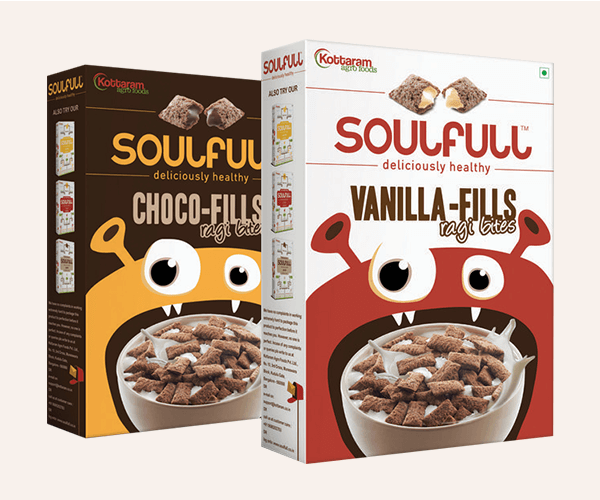
Custom packaging boxes let brands match dimensions, wall strength, and inserts to the product, which reduces both breakage and wasted material. This matters for e-commerce shipping packaging, where parcels face more handling than store-bound goods. Fragility is not limited to glass or ceramics, either. Crisp or delicate foods benefit from careful structure too, and customized cereal boxes can be built to protect brittle contents from crushing. Packaging suppliers such as Expert Custom Boxes often note that measuring the product first, then choosing the structure, leads to better protection than adapting a stock box. Starting with the product rather than the box is a simple habit that often prevents costly damage.
How Can You Prevent Breakage When Shipping Fragile Items?
How to prevent breakage when shipping fragile items comes down to a few practical steps. Choose a box that is strong enough for the weight, cushion the item on every side, fill any empty space, and seal the box securely with quality tape. Adding fragile warning labels can also help handlers take extra care, although labels should never replace good packing. If you are asking what is the best box for shipping fragile items, the answer is a sturdy corrugated box with the right thickness, a snug fit, and effective inserts or padding.
For anyone wondering how to prevent fragile items from breaking in transit, testing is worthwhile. Before sending a large shipment, a simple drop test from a reasonable height can reveal weak points. If the item moves or the box deforms, adjust the cushioning or board strength and test again. A small amount of testing early is much cheaper than replacing broken goods later.
Frequently Asked Questions
What Is the Best Box for Shipping Fragile Items?
The best box for shipping fragile items is a strong corrugated box with enough wall thickness for the product’s weight, reinforced corners, and a snug fit. It should be paired with cushioning or inserts that hold the item firmly in place. Heavier or more delicate items often benefit from double-wall construction.
How Do You Pack Fragile Items in a Box?
To pack fragile items, wrap each one individually, place it in a box that fits closely, and add cushioning on every side. Fill any empty space so the item cannot move, and use dividers if there are multiple items. Seal the box securely, and shake it gently to check that nothing shifts.
Why Is Cushioning Important for Fragile Packaging?
Cushioning is important because it absorbs shocks and vibrations before they reach the product. It also keeps the item from moving inside the box and striking the walls. Without cushioning, even a strong box can pass impact directly to the product, which is one of the most common causes of breakage.
Conclusion
Strong materials, smart cushioning, and a precise fit protect fragile items, and each of these features supports the others. From corrugated shipping boxes and reinforced corners and edges to molded pulp inserts and a snug-fit box design, every decision adds a layer of protection. Understanding what makes a packaging box suitable for fragile items helps you choose packaging that arrives intact, reduces returns, and keeps customers confident in what they receive.




Share this page with your family and friends.