Meal prepping makes busy workdays easier because you have nutritious meals ready before hunger sets in. The best easy meal prep ideas focus on simple ingredients, flexible recipes, and preparation methods that keep food enjoyable throughout the week. You do not need to spend an entire Sunday cooking complicated dishes or buy specialized equipment. With a practical plan, you can prepare several breakfasts, lunches, dinners, and snacks in one session, reduce daily cooking time, and make weekday meals more predictable.
1. Start With a Simple Weekly Meal Plan
A meal plan gives your preparation session a clear purpose. Choose two or three main recipes instead of preparing five completely different meals, then rotate them throughout the week. This keeps your grocery list manageable and reduces the amount of cooking required.
Consider your schedule before deciding what to make. Pack portable meals for office days and reserve meals requiring more preparation for evenings when you have additional time. Planning around your routine also helps prevent unused ingredients from sitting in the refrigerator.
2. Prepare Overnight Oats for Breakfast
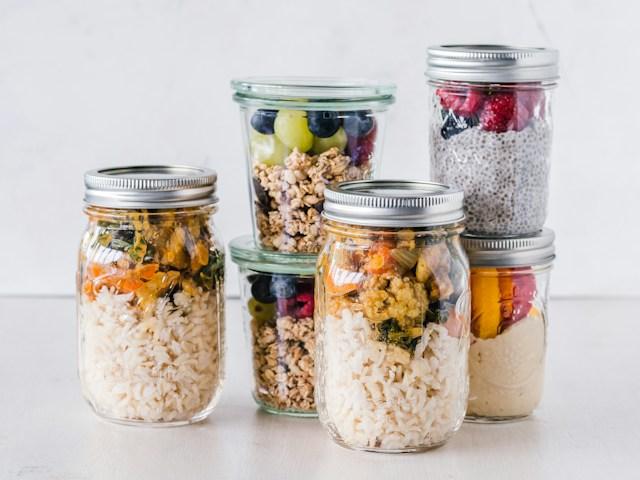
Overnight oats provide a convenient breakfast that requires little morning preparation. Combine rolled oats with milk or yogurt, then add fruit, nuts, seeds, or spices for flavor and texture. Prepare several containers at once and refrigerate them for quick breakfasts during the work week.
You can create different combinations using the same base ingredients. Try banana and peanut butter, berries and chia seeds, or apple and cinnamon. Keeping toppings separate helps maintain texture when preparing several days in advance.
3. Build Balanced Grain Bowls
Grain bowls are flexible because you can combine a carbohydrate base, protein, vegetables, and sauce in different ways. Cook a batch of rice, quinoa, or another grain, then prepare a protein such as chicken, tofu, beans, or eggs. Add roasted or steamed vegetables to create complete meals with minimal daily assembly.
Keep sauces separate until you are ready to eat. This prevents vegetables and grains from becoming soggy during storage. You can also vary the flavor profile by using different dressings, herbs, or spices across the week.
4. Make One-Pan Chicken and Vegetables
One-pan meals reduce preparation and cleanup because several ingredients cook together. Place seasoned chicken, potatoes, carrots, broccoli, bell peppers, or other suitable vegetables on a baking tray and roast them together. Divide the finished meal into containers once everything has cooled appropriately.
Change the seasoning to keep the same basic ingredients from becoming repetitive. Garlic and herbs work well for a simple savory meal, while paprika, cumin, or curry seasoning creates a different flavor. Choose vegetables with similar cooking times or add faster-cooking vegetables later.
5. Prepare Pasta With Protein and Vegetables
Pasta works well for meal prep because it is filling, affordable, and easy to portion. Cook your preferred pasta and combine it with chicken, tuna, beans, lean ground meat, or another protein. Add vegetables such as spinach, tomatoes, mushrooms, or bell peppers for additional texture and nutrients.
Choose sauces that hold up well after refrigeration. Tomato-based sauces and simple olive oil dressings often reheat more easily than delicate cream sauces. Store grated cheese, fresh herbs, or crunchy toppings separately and add them before eating.
6. Make Hearty Soups and Stews
Soups and stews are useful when you want several ready-to-eat meals from one cooking session. Large batches can include vegetables, beans, lentils, chicken, or lean meat along with broth and seasonings. Portion the finished dish into individual containers for easy lunches or dinners.
Many soups also freeze well, giving you an option for weeks when your schedule becomes busier. Label frozen portions with the dish name and date so you know what you have available. Leave enough space in containers for expansion when freezing liquids.
7. Prepare Wraps for Quick Lunches
Wraps require little cooking and offer plenty of ingredient combinations. Fill whole-grain tortillas with chicken, turkey, beans, eggs, vegetables, cheese, or hummus. Use sturdy ingredients that remain fresh during refrigeration and keep wet sauces separate when possible.
Prepare fillings in bulk and assemble individual wraps when needed. This approach gives you variety without requiring a separate recipe for every day. Lettuce, shredded carrots, cabbage, and other crisp vegetables also provide texture without extensive preparation.
8. Portion Snacks Ahead of Time
Snacks are easy to overlook during meal prep. Portion nuts, fruit, yogurt, boiled eggs, vegetables, or other preferred snacks into individual servings. Having prepared options available reduces the temptation to rely on convenience foods when hunger strikes between meals.
Use appropriate storage containers to maintain freshness. Keep refrigerated snacks cold and choose shelf-stable options for your desk or bag when refrigeration is unavailable. Portion sizes also make it easier to keep track of how much you are eating throughout the day.
9. Use Ingredients Across Multiple Meals
Buying ingredients for several recipes reduces waste and simplifies grocery shopping. For example, roasted chicken can work in grain bowls, wraps, salads, and pasta. The same vegetables can also appear in different meals with different seasonings or sauces.
Think in terms of components rather than complete recipes. Prepare a few proteins, grains, vegetables, and sauces separately, then combine them in different ways during the week. This system gives you flexibility while keeping your preparation session efficient.
10. Store and Reheat Meals Properly
Food storage affects both quality and safety. Divide cooked meals into appropriate portions and refrigerate perishable food promptly rather than leaving it at room temperature for extended periods. Use sealed containers and label them with preparation dates so older meals get used first.
Reheating also affects texture. Some foods reheat better with a small amount of added moisture, while others are best served cold or at room temperature. If you prepare meals for several days, consider freezing portions you will not eat soon and moving them to the refrigerator when needed.
Make Meal Prep Easier to Maintain
Keep Your Grocery List Short
A shorter ingredient list makes meal prep faster and reduces food waste. Choose versatile staples that work across several meals, such as eggs, chicken, rice, oats, vegetables, fruit, and beans. Buy quantities based on your actual weekly schedule rather than stocking up on ingredients you rarely use.
Choose Recipes With Similar Preparation Steps
Recipes become easier to manage when several ingredients can be cooked at the same time. Roast vegetables while cooking grains and prepare sauces while proteins are on the stove. Grouping similar tasks reduces the amount of active cooking and cleanup required.
Leave Room for Variety
Meal prep should make your week easier, not force you to eat identical meals every day. Prepare interchangeable components and keep a few fresh ingredients available for later in the week. Adding a new sauce, topping, or vegetable can make a familiar meal feel different without requiring another full cooking session.
Key Takeaway
The most effective easy meal prep ideas rely on simple recipes, versatile ingredients, and efficient preparation. Plan a few meals, cook staple proteins and grains in batches, portion snacks, and use shared ingredients across different dishes. Store food properly and freeze portions you will not eat soon. You can also keep meals interesting by changing sauces, seasonings, and toppings. A flexible preparation routine saves time during busy weekdays while helping you maintain consistent, satisfying meals.



Share this page with your family and friends.