Philippine rural areas often face unstable electricity due to limited grid access and aging infrastructure. To address these daily power struggles, solar energy in the Philippines offers a practical solution by turning abundant sunlight into a steady energy source for remote homes and businesses. Solar panels generate electricity locally, reducing reliance on distant power plants and long transmission lines that are prone to outages.
Why Rural Areas Struggle with Power Reliability
Many rural regions lack consistent electricity because extending grid infrastructure to isolated locations is costly and logistically complex. Diesel generators, often used as backups, require frequent fuel deliveries and maintenance. Solar energy eliminates these issues by using sunlight—a free, abundant resource in the Philippines—to produce power onsite.
Weather patterns like typhoons further strain rural grids, damaging poles and wires in flood-prone areas. Solar systems mounted on rooftops or elevated platforms avoid flood risks, while battery storage ensures power during extended storms. This resilience makes solar ideal for regions where grid repairs can take days or weeks.
How Solar Systems Work Off-Grid
Solar panels paired with batteries store energy for use during cloudy days or at night. This setup provides 24/7 power without needing grid connections. Households can scale systems based on their needs, adding panels or batteries as required.
Key components include inverters to convert DC power to AC for appliances, charge controllers to prevent battery overcharging, and mounting structures to angle panels toward sunlight. Proper sizing of each component ensures systems meet daily energy needs, such as powering lights, refrigerators, or small machinery.
Designing Systems for Rural Energy Needs
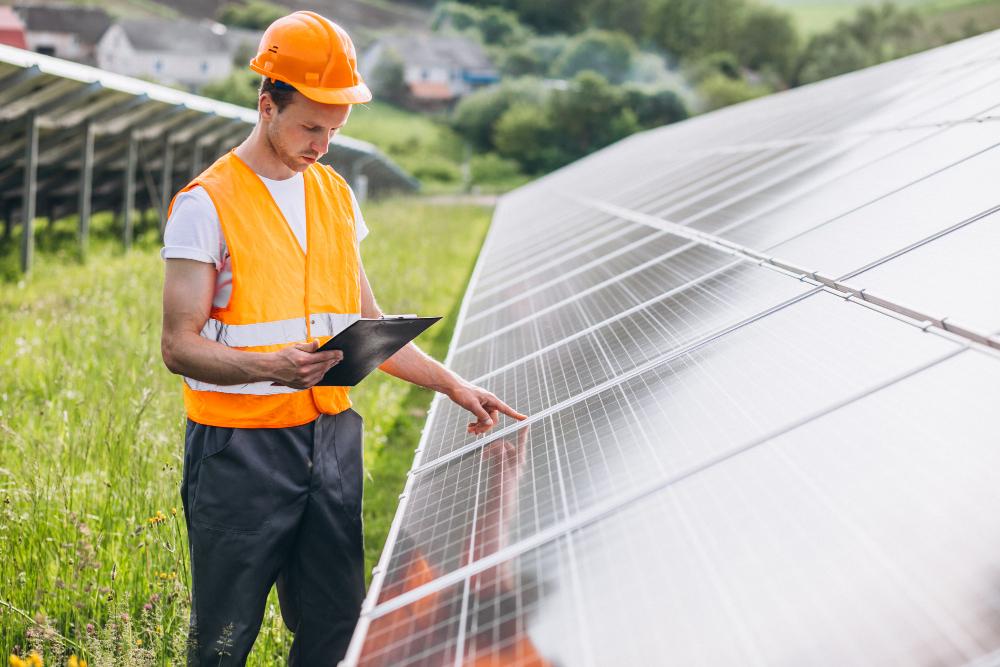
Sizing a solar panel starts with calculating daily energy use from appliances and devices. A family using 5 kWh per day might install 3-4 solar panels (300W each) and two batteries storing 10 kWh. Installations prioritize value-driven designs, balancing upfront costs with long-term reliability.
Local sunlight levels also shape system design. Areas with 5 hours of peak sun need fewer panels than regions with 4 hours. Installers assess roof space, shading from trees, and tilt angles to maximize energy capture. Portable solar kits allow flexibility for households with limited roof space.
Affordability and Cost Savings Over Time
While upfront costs exist, solar panel systems pay for themselves through reduced electricity bills. Rural users avoid recurring fuel expenses and grid connection fees. Solar companies' focus on value-driven installations ensure systems are priced to deliver long-term savings.
Financing options like pay-as-you-go (PAYG) models let households pay small daily fees via mobile apps instead of paying the full cost upfront. These plans often include maintenance, lowering the risk of unexpected repair bills. Over 5-7 years, most systems generate free electricity after costs are covered.
Evaluating Financing Options
PAYG plans suit users with limited capital, spreading costs into manageable payments. Leasing agreements allow use of equipment for a fixed monthly fee, with ownership transfer after payments complete. Loans from cooperatives or NGOs provide upfront funds for outright purchases, ideal for larger community projects. Compare interest rates, payment terms, and ownership conditions before choosing a model.
Reducing Environmental Impact
Switching to solar cuts reliance on fossil fuels, lowering carbon emissions. Solar panels last 25+ years with minimal maintenance, making them a sustainable choice for eco-conscious communities. This aligns with national goals to adopt cleaner energy sources.
Diesel generators emit 0.3-0.5 kg of CO₂ per kWh, while solar produces none. Replacing generators with solar reduces air pollution and fuel spills that harm local ecosystems. Recyclable panel materials and battery disposal programs further limit environmental harm at end-of-life.
Government and Community Support
Local initiatives encourage solar adoption through subsidies and simplified permits. Community-led projects, like shared solar farms, let multiple households benefit from a single installation. These efforts make solar accessible to low-income groups.
Municipalities offering tax breaks for solar equipment lower costs for installers and buyers. Cooperative models, where villages pool resources to buy systems in bulk, reduce per-unit prices. Training programs for local technicians also create jobs while expanding service networks. .
Maintenance Needs and System Longevity
These systems require little upkeep beyond occasional panel cleaning and battery checks. Most components are durable, withstanding tropical weather conditions. This reliability makes solar ideal for remote areas where technical support is scarce.
Rain often cleans panels naturally, but dust or bird droppings may require wiping with water and a soft cloth. Batteries should be checked every 6-12 months for corrosion or fluid levels (if lead-acid type). Installers recommend annual inspections to ensure wiring and inverters function properly.
Overcoming Installation Challenges
Rural terrain like mountains or rivers can delay installations due to transportation limits. Modular solar kits designed for easy assembly reduce delivery costs, as parts fit in small vehicles. Installers often train local workers to handle basic setups, speeding up project timelines.
Community engagement is critical. Educating villagers about system benefits and care builds trust and ensures long-term use. For example, schools teaching solar basics to students create future advocates for renewable energy.
Key Takeaway
Solar Energy in the Philippines can enhance rural power reliability by providing decentralized, sustainable systems that reduce dependency on unstable grids. By addressing cost, durability, and accessibility, solar solutions empower communities to control their energy needs independently.



Share this page with your family and friends.