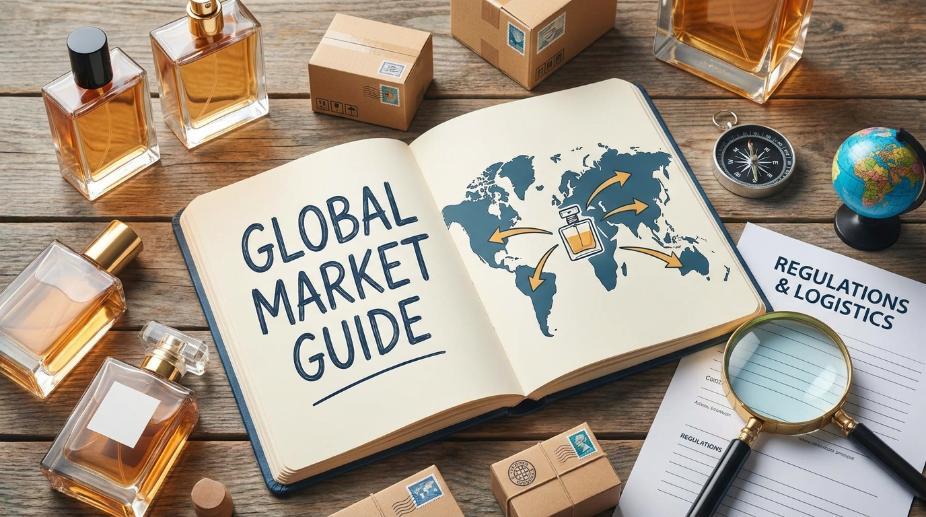
Taking a USA-based fragrance brand into international markets opens up massive revenue streams, but figuring out how to navigate cross-border logistics can quickly feel overwhelming. You spend months refining signature scent profiles, ordering custom glass bottles, and building marketing momentum. Yet, watching an international pallet get impounded at foreign customs because of a minor paperwork error is a total nightmare. Most fine fragrances rely on ethyl alcohol as their primary carrier liquid, which legally classifies them as Class 3 flammable liquids under US Department of Transportation (US DOT) and International Air Transport Association (IATA) regulations. If your store tries to send orders across oceans without strict compliance, you risk seized inventory, carrier bans, and heavy financial penalties.
We know how frustrating it is when international customers love your brand, but high shipping friction stalls your global growth. Balancing customer expectations for fast, affordable delivery with international dangerous goods requirements isn't easy. However, building a systematic export strategy fixes these friction points permanently. Once you put the right compliance workflows, packaging protocols, and documentation steps in place, your international orders will clear border controls effortlessly.
Why Is Exporting Flammable Liquids So Heavily Regulated?
Exporting flammable liquids is heavily regulated because atmospheric pressure shifts and temperature fluctuations during air or ocean transit can cause alcohol-based liquids to expand, leak, or ignite. Regulatory agencies enforce strict protocols to protect transport personnel, aircraft cargo holds, and customs facilities from chemical hazards. Every international shipment must feature proper hazard markings, correct UN 1266 identification numbers, and verified safety data sheets.
When you scale your business by shipping perfume overseas, you must secure dangerous goods agreements with international carriers like FedEx, UPS, or DHL before lodging cargo. Air freight inspectors use advanced X-ray screening and automated manifest audits to flag undeclared liquids immediately. If a package lacks the required flammable liquid labels or shipper's declarations, authorities destroy the box and penalize the shipper. Establishing a fully compliant export process protects your inventory investment and ensures seamless movement through global transit hubs.
How Does Customs Compliance Impact International Delivery Speed?
Maintaining strict customs compliance for perfume shipping accelerates delivery speed by preventing package holds, physical border inspections, and tax disputes. Customs agencies around the world classify imported goods using the universal Harmonized System (HS) code framework. Perfumes and toilet waters fall under HS Code 3303.00, which determines the exact import duty and tax rates applied at foreign entry ports.
Inaccurate commercial invoices or missing material safety data sheets force border officials to quarantine cargo for manual review. To keep delivery pipelines clear, your commercial documentation must explicitly state the total liquid volume per bottle, net weight, precise ingredient breakdown, and transaction value. Utilizing Delivered Duty Paid (DDP) shipping methods allows you to collect import duties and local VAT directly at your online checkout. Settling taxes upfront ensures packages pass through foreign customs automatically without stopping for buyer payment holds.
What Are the Red Flags When Sourcing Overseas Components or Manufacturing?
The main red flags when sourcing overseas manufacturing or packaging components include a supplier's refusal to provide valid Safety Data Sheets (SDS), inconsistent bottle neck crimping, and thin outer box materials. From a USA-based brand perspective, importing glass bottles, spray pumps, or pre-filled fragrances from overseas factories requires rigorous quality control before shipping bulk inventory to your fulfillment warehouse.
Always demand an up-to-date SDS from your supplier verifying the exact alcohol concentration and flash point of the liquid formula. Test sample glass bottles under simulated pressure drops to verify that the spray pump crimp maintains an airtight seal. Poorly manufactured bottle seals leak when exposed to low cargo pressures, ruining outer packaging and inviting carrier rejections. Ensure outer export cartons carry certified burst-test ratings and batch tracking numbers before approving mass production runs.
How Do You Safely Cross-Sell Fragrances With Leather Goods and Apparel?
You safely cross-sell fragrances with leather goods and apparel by isolating the liquid bottle in a leak-proof secondary containment barrier before bundling it into the main shipping container. Bundling signature scents with high-end leather coats, cotton hoodies, or branded lifestyle accessories increases average order value significantly. However, combining porous textiles with alcohol-based liquids creates a major risk of product ruin if a glass bottle breaks in transit.
If a glass atomizer fractures during rough handling, concentrated alcohol will permanently stain leather finish and discolor dyed fabrics, generating costly return claims. To prevent this, seal each fragrance bottle inside a heavy-duty plastic pouch containing absorbent spill materials capable of soaking up the entire liquid volume. Place that sealed unit into a rigid inner box before packing it alongside the apparel in the outer carton. The soft garments provide extra shock absorption while the liquid remains completely isolated from your textile products.
Cross-Border Export Checklist: Key Compliance Elements
A quick operational overview highlights the essential documentation and physical requirements needed for international fragrance delivery.
| Export Requirement |
Primary Purpose |
Key Operational Action |
| HS Code Classification |
Determines foreign import duties and taxes. |
Apply HS Code 3303.00 to all commercial manifests. |
| Safety Data Sheet (SDS) |
Verifies chemical flash points and alcohol levels. |
Keep active 16-section SDS files on record. |
| UN 1266 Marking |
Identifies Class 3 flammable perfumery products. |
Affix diamond hazard labels to outer shipping cartons. |
| Secondary Containment |
Prevents liquid leakage onto adjacent cargo. |
Use sealed plastic barriers with absorbent lining. |
How Do Limited Quantity Provisions Simplify Ground Distribution?
Limited quantity provisions simplify ground distribution by waiving formal dangerous goods declaration paperwork for small consumer-sized bottles moving through road networks. Under US DOT and European ADR rules, alcohol-based liquids packaged in individual receptacles under specific volume limits qualify for simplified surface transport exceptions. This reduces carrier surcharges and streamlines daily warehouse packing operations.
To use this exception legally, outer cartons must display the standardized black-and-white limited quantity diamond mark on a flat vertical surface. While full UN specification packaging is not required for ground shipments under this provision, outer boxes must still pass rigid drop and compression testing. Leveraging limited quantity ground options for domestic and regional legs keeps delivery costs low while maintaining total compliance with transport authorities.
Frequently Asked Questions (FAQs)
1. Can I send perfume overseas via standard air mail?
No, sending alcohol-based perfumes overseas via standard postal air mail is illegal under international aviation safety regulations. Flammable liquids require certified dangerous goods air freight carriers with approved hazard contracts.
2. What happens if international customs rejects my fragrance shipment?
If customs rejects a shipment due to missing hazmat labels or paperwork errors, the cargo is held in a port warehouse, returned to the sender at your expense, or destroyed by border officials.
3. What is the role of DDP shipping in cross-border fragrance sales?
Delivered Duty Paid (DDP) shipping calculates and collects foreign duties and taxes at checkout. This allows cargo to clear foreign customs automatically without requiring local buyers to pay fees before delivery.
4. How does air pressure affect fragrance bottle seals during flights?
Decreased cabin pressure during flights causes air and liquid inside sealed bottles to expand. Poorly crimped spray pumps or weak glass can leak or crack under these pressure differentials.
Build a Compliant International Fragrance Business
Expanding your fragrance brand into global markets is one of the most effective ways to accelerate long-term revenue growth. Mastering dangerous goods regulations, securing leak-proof custom packaging, protecting cross-sold apparel, and vetting overseas suppliers transforms international shipping from a risky challenge into a predictable growth driver. When your compliance infrastructure runs smoothly, your business can scale confidently into high-value foreign markets.
At Ship-Perfume, we specialize in safe, compliant, and seamless international fragrance logistics. We manage dangerous goods compliance, custom packaging protocols, and cross-border customs clearance so you can focus on building your global brand presence. Contact Ship-Perfume today to optimize your international shipping strategy and scale your overseas deliveries with complete peace of mind.



Share this page with your family and friends.