Maintaining independence and comfort is essential for people who experience limited mobility. Modern mobility equipment offers practical solutions that help individuals navigate their homes, workplaces, shopping areas, and outdoor environments with greater confidence. Among these solutions, a scooter wheel chair, an electric wheelchair, and a lightweight motor wheelchair can provide valuable support for people with different mobility requirements. Understanding their features, benefits, and differences makes it easier to choose the right option for everyday use.
Understanding Scooter Wheel Chairs and Their Benefits
A scooter wheel chair is a mobility solution designed to help people travel comfortably when walking long distances becomes difficult. These devices are generally battery-powered and allow users to move around without relying on physical strength to propel themselves forward. Depending on the model, they may include adjustable seats, armrests, tiller steering, storage baskets, and convenient charging systems.
Mobility scooters are often suitable for people who can sit upright comfortably, operate steering controls, and transfer onto and off the seat safely. They can be useful for grocery shopping, visiting parks, navigating large buildings, and completing daily errands.
When evaluating a scooter wheel chair, consider the user's balance, posture, upper-body control, and typical travel environment. Some models are compact enough for indoor use, while others offer larger wheels and enhanced suspension for outdoor journeys. Battery range, turning radius, weight capacity, and ease of transportation should also influence the selection process.
Choosing a suitable model can make daily activities more manageable while supporting independence and participation in social activities.
How an Electric Wheelchair Supports Independent Mobility
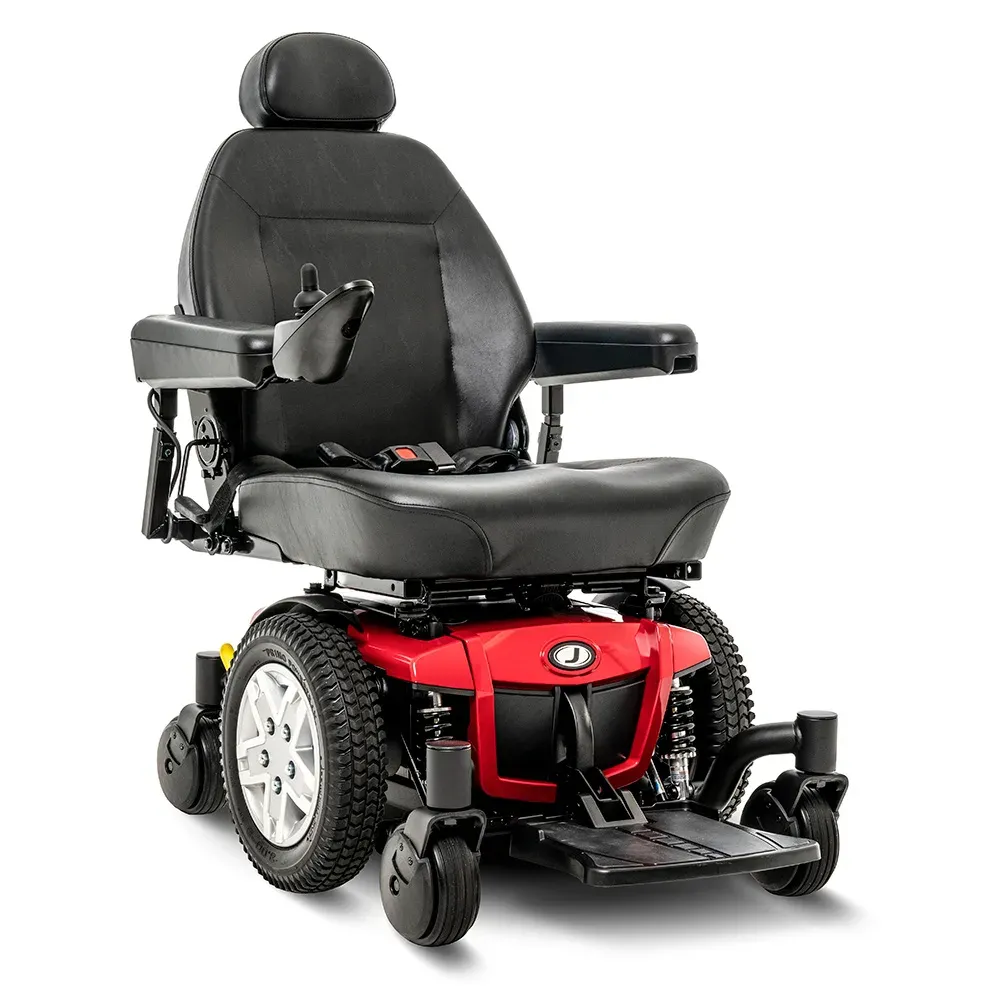
An electric wheelchair is designed for individuals who need powered assistance to move around. Unlike a traditional manual wheelchair, which requires the user or a caregiver to push it, an electric model uses a battery-powered motor and a control system to manage movement.
Many electric wheelchairs use a joystick, although alternative controls may be available for people with specific physical requirements. This powered operation can reduce the effort needed to travel through homes, healthcare facilities, shopping centers, and outdoor spaces.
One of the primary benefits of an electric wheelchair is the ability to customize mobility according to individual needs. Depending on the model, users may have access to adjustable seating, supportive backrests, pressure-management cushions, footrests, and reclining functions. These features can improve comfort during extended periods of sitting.
Before selecting an electric model, assess the user's seating requirements, ability to operate the controls, and everyday surroundings. Doorway width, floor surfaces, turning space, ramps, and transportation arrangements can affect how practical a particular wheelchair will be.
Battery performance is another important consideration. Users should understand the expected travel range, charging time, and maintenance requirements before making a purchase. A suitable electric wheelchair can provide a practical way to maintain independence and participate more comfortably in everyday activities.
Why Choose a Lightweight Motor Wheelchair?
A lightweight motor wheelchair can be an excellent option for individuals who need powered mobility but also value portability. These wheelchairs are designed to reduce overall weight through compact construction and lightweight materials, depending on the model.
Portability can be particularly important for people who travel frequently, visit family members, or need to transport their wheelchair in a vehicle. Some models feature folding frames, removable batteries, or detachable components that make storage and transportation easier.
A lightweight motor wheelchair may also be useful in smaller indoor environments where maneuverability is important. However, buyers should not assume that every lightweight wheelchair offers the same performance. Maximum user weight, battery range, motor power, seat dimensions, and terrain capability vary between products.
It is important to check the total weight of the wheelchair, including its battery, as well as whether the frame can be folded easily. If a caregiver will regularly lift the device into a car, the heaviest individual component may matter more than the advertised overall weight.
Users should also consider seating support and stability. A lighter design should still meet the user's positioning, comfort, and safety requirements. Consulting a qualified mobility specialist can help identify a model that balances portability with appropriate support.
Key Differences Between Mobility Scooters and Electric Wheelchairs
Although these mobility solutions share the goal of improving independence, they serve different needs.
A mobility scooter typically has a chair-like seat, a steering tiller, and a platform for the user's feet. It is generally intended for individuals who can maintain a suitable seated position and safely operate the steering system.
An electric wheelchair usually has a wheelchair-style seating arrangement and controls designed for powered maneuvering. Depending on the configuration, it may offer more specialized seating and positioning options for users with greater mobility limitations.
A lightweight motor wheelchair focuses on reducing transportation and handling difficulties while providing powered assistance. Its suitability depends on its design, the user's physical needs, and the environments in which it will be used.
When comparing these options, evaluate comfort, maneuverability, travel range, portability, support requirements, and the user's ability to transfer safely. The most expensive or advanced model is not necessarily the best choice. The right device is the one that meets the user's daily mobility needs.
Essential Factors to Consider Before Buying
Selecting mobility equipment requires more than comparing prices and product descriptions. A careful assessment can help prevent purchasing a device that does not meet the user's expectations.
Consider these essential factors:
-
Comfort and seating: Check seat width, cushioning, back support, armrests, and available positioning adjustments.
-
Battery range: Choose a model that can accommodate typical daily journeys, allowing for variations in terrain and battery performance.
-
Portability: Evaluate folding mechanisms, removable components, total weight, and vehicle storage requirements.
-
Safety features: Review braking systems, stability, speed settings, visibility features, and manufacturer safety guidance.
-
Indoor and outdoor use: Confirm that the wheelchair or scooter can navigate the surfaces, slopes, and spaces the user encounters.
-
Maintenance and support: Consider battery replacement, servicing, warranty coverage, and access to spare parts.
-
Personal assessment: Seek professional guidance when the user has complex seating, posture, balance, or physical support requirements.
Trying a device before purchasing, when possible, can help users assess its controls, comfort, and maneuverability.
Find the Right Mobility Solution for Your Lifestyle
Choosing between a scooter wheel chair, an electric wheelchair, and a lightweight motor wheelchair begins with understanding the user's mobility needs and daily routine. Some people prioritize outdoor travel and convenient steering, while others require powered movement, specialized seating, or easier transportation.
By comparing essential features and considering professional recommendations, individuals and caregivers can make more informed decisions. The right mobility equipment can support greater independence, improve access to everyday activities, and make travel more comfortable.
Ultimately, the best choice is a mobility solution that combines reliable performance, appropriate support, convenient operation, and practical functionality. Taking the time to evaluate these factors helps ensure that the selected device fits the user's lifestyle and provides dependable assistance over the long term.




Share this page with your family and friends.