Modern businesses depend on efficient supply chains to keep products moving, meet customer expectations, and maintain consistent operations. Whether a company handles retail products, industrial materials, or large commercial shipments, having a reliable system for storing and moving goods is essential. Warehousing and distribution play an important role in connecting suppliers, manufacturers, distributors, and customers. When these operations are properly managed, businesses can reduce delays, improve inventory control, and create a smoother flow of products from one location to another.
Choosing a dependable warehousing and distribution company in Chicagoland can help businesses manage their logistics requirements while keeping their supply chains organized. From receiving incoming shipments to storing inventory and coordinating outgoing deliveries, professional warehouse support provides the infrastructure needed to handle changing business demands. Companies operating in and around Chicago can benefit from logistics services that support regional transportation networks, commercial operations, and distribution requirements.
Why Warehousing Matters in Supply Chain Management
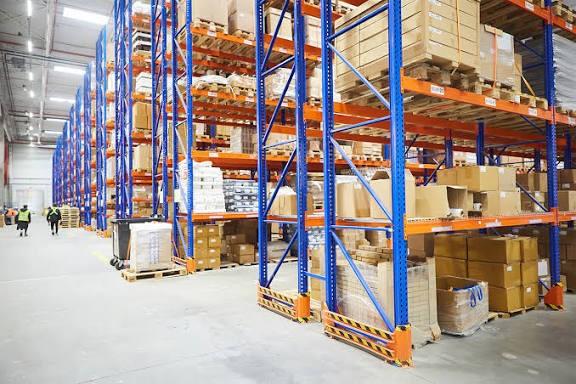
Warehousing is more than simply keeping products in a storage facility. It involves managing inventory, organizing shipments, monitoring stock levels, and preparing goods for their next destination. A well-managed warehouse helps businesses maintain better control over their products and avoid unnecessary disruptions.
For manufacturers and distributors, warehouse facilities provide a convenient place to hold inventory before it moves to retailers, customers, or other business locations. This flexibility allows companies to manage supply and demand without sending every shipment directly to its final destination.
Effective warehouse management also helps businesses:
-
Maintain organized inventory records.
-
Improve product accessibility.
-
Reduce unnecessary handling.
-
Prepare orders more efficiently.
-
Manage seasonal inventory changes.
-
Coordinate incoming and outgoing shipments.
When these activities are handled properly, businesses can create a more predictable and efficient supply chain.
The Role of Distribution in Business Operations
Distribution connects warehouse operations with the wider transportation and delivery network. It ensures that products move from storage facilities to their intended destinations according to business requirements.
An organized distribution process includes receiving orders, preparing shipments, coordinating transportation, and maintaining communication throughout the delivery process. Without proper coordination, businesses may experience shipping delays, inventory confusion, and increased operating costs.
Reliable distribution services help companies manage these challenges by providing structured processes for moving products. Businesses can also benefit from improved shipment visibility and better coordination between warehouse teams, transportation providers, and customers.
For companies handling frequent shipments, an efficient distribution system can make a significant difference in daily operations.
How Chicagoland Supports Regional Logistics
The Chicago metropolitan area is an important location for transportation, warehousing, and commercial distribution. Its access to major highways, rail infrastructure, and regional transportation networks makes it a strategic location for businesses moving goods throughout the Midwest and beyond.
Companies operating in Chicagoland often need flexible logistics solutions to accommodate different shipment sizes, transportation schedules, and storage requirements.
A strategically located warehouse can help businesses coordinate freight movements, manage inventory closer to important markets, and organize shipments for regional distribution.
However, location alone does not guarantee an efficient supply chain. Businesses also need dependable warehouse processes, experienced logistics teams, and services that match their operational requirements.
Important Warehousing and Distribution Services
Different businesses have different logistics needs. Some require long-term inventory storage, while others need temporary space, shipment transfers, or order preparation. Understanding the available services can help companies choose solutions that support their operations.
1. Warehousing and Storage
Warehousing provides businesses with space to hold products and materials until they are needed. Storage requirements can vary depending on product type, shipment volume, and inventory turnover.
Short-term storage can be particularly useful when businesses experience temporary changes in inventory levels, unexpected delivery schedules, or delays between transportation arrangements.
Having access to suitable warehouse space allows companies to manage inventory without immediately committing to additional permanent facilities.
2. Cross-Docking Services
Cross-docking is a logistics process in which incoming freight is transferred directly to outgoing transportation with minimal storage time.
Instead of keeping products in a warehouse for an extended period, shipments are received, sorted, and prepared for their next destination.
This approach can help businesses:
-
Reduce unnecessary warehouse storage.
-
Minimize product handling.
-
Improve freight movement.
-
Coordinate inbound and outbound shipments.
-
Support time-sensitive distribution requirements.
Cross-docking can be especially valuable for companies managing regular freight movements or shipments that need to reach multiple destinations.
3. Transloading Services
Transloading involves transferring goods from one transportation method to another. For example, products arriving by rail may need to be transferred to trucks for delivery to their final destinations.
This service helps businesses coordinate different transportation networks while maintaining the movement of goods.
Transloading can be useful for companies handling bulk freight, industrial materials, and shipments that require multiple transportation methods.
4. Pick, Pack, and Fulfillment
Order fulfillment involves preparing products for shipment after customer or business orders are received.
Pick-and-pack services help organize this process by selecting the correct products, checking quantities, packaging items, and preparing shipments for dispatch.
An organized fulfillment operation can reduce order errors and help businesses maintain consistent service quality.
5. Distressed Load Management
Unexpected freight problems can disrupt normal logistics operations. Damaged packaging, shipment delays, rejected deliveries, or other transportation issues may require immediate attention.
Distressed load management helps businesses address these situations through appropriate freight handling, coordination, and recovery processes.
Having access to support for unexpected shipment challenges can help companies reduce operational disruption and keep their supply chains moving.
How Professional Logistics Support Improves Efficiency
Managing warehouse operations internally requires space, equipment, employees, technology, and ongoing coordination. For some businesses, outsourcing logistics activities can provide greater flexibility and help reduce the pressure on internal teams.
A professional logistics provider can support several important areas of business operations.
Better inventory organization: Structured warehouse processes make it easier to monitor incoming products, available stock, and outgoing shipments.
Flexible storage capacity: Businesses can access storage solutions that match their changing requirements rather than maintaining additional warehouse space throughout the year.
Improved shipment coordination: Organized receiving, sorting, and distribution processes help products move through the supply chain more efficiently.
Operational flexibility: Businesses can adjust their logistics arrangements as shipment volumes, customer demand, and transportation requirements change.
More time for core activities: Outsourcing selected logistics responsibilities allows internal teams to focus on sales, customer relationships, production, and business development.
The right logistics arrangement depends on a company's shipment volume, product requirements, delivery schedules, and overall supply chain strategy.
What to Consider When Choosing a Warehousing Partner
Selecting a warehouse and distribution provider is an important business decision. The right partner should understand the company's operational requirements and offer services that align with its logistics goals.
Before making a decision, businesses should consider the following factors:
Location and Transportation Access
A warehouse with convenient access to major transportation routes can simplify freight coordination and support regional distribution.
Range of Available Services
Look for a provider that offers services relevant to your business, such as storage, cross-docking, transloading, fulfillment, and shipment management.
Experience and Reliability
Experience in logistics operations can help a provider understand common supply chain challenges and respond to different shipment requirements.
Communication and Customer Support
Clear communication is important when coordinating deliveries, handling unexpected issues, and managing inventory movements.
Flexibility and Scalability
Business requirements can change over time. A suitable logistics partner should be able to accommodate changing storage needs and shipment volumes.
Evaluating these factors can help businesses establish a dependable relationship with a logistics provider.
How UGI Global LLC Supports Logistics Needs in Chicagoland
Businesses looking for dependable logistics support need a provider that understands the importance of timely freight handling, organized storage, and customer service.
UGI Global LLC provides warehousing and distribution solutions for businesses operating in the Chicagoland region. With 32 years of experience, the company focuses on helping businesses manage different supply chain requirements through practical logistics services.
Its service offerings include warehousing and distribution, cross-docking, transloading, distressed load management, short-term storage, fulfillment, pick and pack, and kitting.
These services support businesses with different freight handling and storage needs. Whether a company requires temporary warehouse space, assistance transferring freight between transportation methods, or support preparing products for shipment, having access to multiple logistics services can simplify supply chain coordination.
UGI Global LLC emphasizes knowledge, dependability, and customer service when working with businesses. Its experience in logistics and supply chain services in Chicagoland helps support companies looking for practical solutions to manage their freight and distribution activities.
The Future of Warehousing and Distribution
Warehousing and distribution continue to evolve as businesses respond to changing customer expectations, transportation demands, and inventory requirements.
Companies increasingly recognize the importance of flexible storage arrangements, better shipment coordination, and efficient order fulfillment. These priorities are influencing how businesses approach supply chain planning.
Technology is also becoming an important part of warehouse operations. Digital inventory records, shipment tracking, and warehouse management systems can help improve visibility and make it easier to coordinate daily activities.
At the same time, dependable logistics partnerships remain important. Technology can support better planning, but experienced people and well-organized processes are still necessary to handle unexpected challenges.
Businesses that invest in efficient warehousing and distribution practices can build more adaptable supply chains and prepare for future operational demands.
Conclusion
Efficient warehousing and distribution are essential for businesses that want to maintain organized inventory, coordinate shipments, and meet changing customer requirements. From storage and cross-docking to transloading and order fulfillment, the right logistics services can support smoother daily operations and improve supply chain flexibility.
For companies operating in the Chicago region, choosing an experienced logistics partner can make warehouse and freight management easier. UGI Global LLC offers a range of logistics solutions backed by 32 years of experience, helping businesses address their storage, distribution, and freight handling needs.
By evaluating logistics requirements and working with a dependable provider, businesses can develop more organized supply chains and support their long-term growth.
Frequently Asked Questions
1. What does a warehousing and distribution company do?
A warehousing and distribution company manages the storage, handling, organization, and movement of products. Services may include inventory storage, order fulfillment, cross-docking, transloading, and shipment coordination.
2. Why is warehousing important for businesses?
Warehousing allows businesses to store products safely, organize inventory, prepare orders, and manage supply and demand. It also provides flexibility when shipments arrive before products are needed.
3. What is the difference between warehousing and distribution?
Warehousing focuses on storing and managing inventory, while distribution involves moving products from storage facilities to customers, retailers, or other business locations.
4. What is cross-docking in logistics?
Cross-docking is a freight handling process in which incoming shipments are transferred to outgoing transportation with little or no long-term storage. It can help reduce handling and storage requirements.
5. What is transloading in supply chain management?
Transloading involves transferring freight from one transportation method to another, such as moving goods from railcars to trucks for further delivery.
6. How can businesses benefit from short-term storage?
Short-term storage provides temporary warehouse space when businesses experience shipment delays, seasonal inventory increases, or gaps between receiving and distributing products.
7. What should businesses look for in a logistics provider?
Businesses should evaluate location, service availability, industry experience, communication, reliability, storage flexibility, and the provider's ability to handle their specific freight requirements.
8. What logistics services does UGI Global LLC offer?
UGI Global LLC offers warehousing and distribution, cross-docking, transloading, distressed load management, short-term storage, fulfillment, pick and pack, and kitting services.




Share this page with your family and friends.