If you've ever found yourself mesmerized by colorful geometric shapes bouncing and flipping in perfect synchronization with electronic music, you've probably encountered the magic of geometry jump games. These deceptively simple yet incredibly challenging titles have captivated millions of players worldwide, and for good reason. They offer a unique blend of rhythm, precision, and pure adrenaline that keeps you coming back for just one more attempt.
What Makes Geometry Jumping So Addictive?
At its core, a geometry jump game is straightforward: guide a geometric object through obstacle-filled levels while syncing your movements to an energetic soundtrack. Sounds simple, right? The reality is far more nuanced. Unlike traditional platformers where you can take your time, geometry jump games demand split-second reflexes and an intuitive feel for timing. The music isn't just background noise—it's the heartbeat of the experience, dictating when obstacles appear and when you need to make your move.
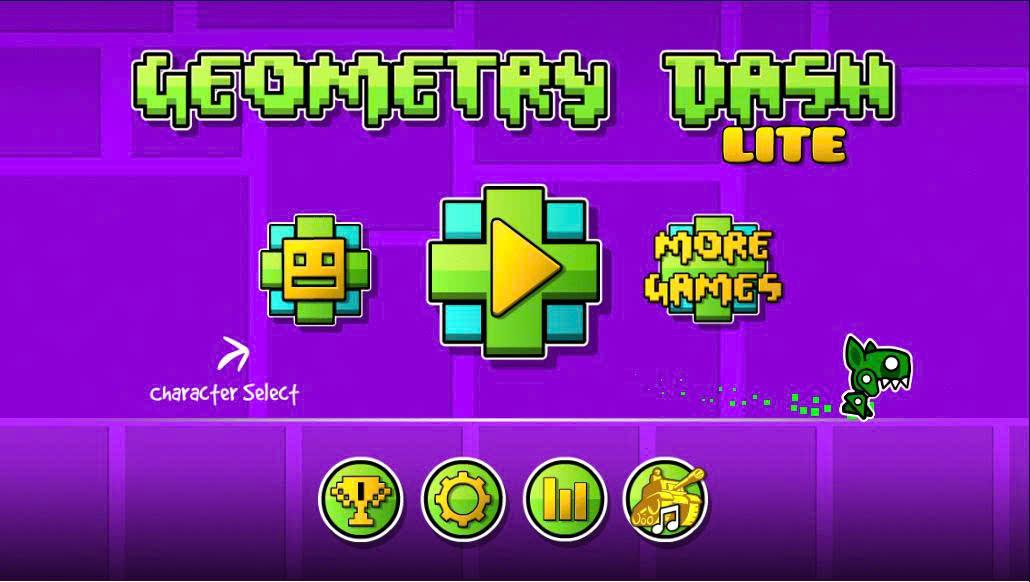
Geometry Dash, the most iconic title in this genre, exemplifies everything that makes these games so compelling. What started as a modest mobile game has evolved into a cultural phenomenon, with players crafting custom levels and pushing the boundaries of what's possible within the game's mechanics. The core appeal remains unchanged though: the pure satisfaction of nailing a difficult section after dozens of failed attempts.
Understanding the Gameplay Mechanics
When you first launch a geometry jump game, the premise might seem intimidating. Your character—whether it's a cube, ship, ball, or wave—needs to navigate through an increasingly complex environment filled with hazards. But here's the beautiful part: you typically only need to control one action. A single click, tap, or button press makes your character jump or interact with the environment.
Timing is everything. You're not just jumping randomly; you're jumping to the beat and cadence of the music. This is where geometry jump games differ from standard platformers. Every obstacle is placed intentionally, synced to specific moments in the soundtrack. As you progress through a level, you'll notice patterns emerge. The music builds, tension increases, and suddenly you're performing a series of perfectly timed movements that feel almost like a choreographed dance.
Different game modes within Geometry Dash introduce variety to keep things fresh. The cube section requires traditional jumping. Switch to ship mode, and gravity works differently—you're now navigating through space by adjusting your vertical position. Ball sections introduce rolling mechanics, while wave sections let you glide up and down. This constant shift in mechanics prevents the experience from becoming stale and demands that you stay adaptable.
Building Your Skills: Essential Tips for Success
Starting your geometry jump journey might feel frustrating. That's completely normal. Most players don't beat their first custom level on the first try—or even on their hundredth try. The key is approaching it with patience and a willingness to learn.
Start with easier content. Don't immediately jump into extreme difficulties. Spend time with official levels or easier custom creations to understand the game's rhythm and your own reflexes. You're training your muscle memory as much as your strategic thinking.
Watch replays and learn from others. One of the best ways to improve is studying how experienced players tackle difficult sections. You'll discover shortcuts, optimal timing, and movement patterns you might never figure out alone. Most games in this genre have vibrant communities where skilled players share their strategies.
Practice specific sections. When you hit a wall, don't restart the entire level repeatedly. Use practice mode to work on just the troublesome section. This focused approach accelerates improvement and reduces frustration.
Understand the visual cues. Experienced players aren't just listening to music; they're reading visual patterns. Obstacles follow predictable paths. Spikes have specific timings. The faster you learn to recognize these patterns, the more intuitive your responses become.
Take breaks. This might sound counterintuitive, but stepping away from a challenging level actually helps. Your brain processes muscle memory during rest periods, and returning after a break often reveals a fresh perspective on the problem.
Embrace the learning curve. Every failed attempt teaches you something. Maybe you jumped too early, or your timing was slightly off. Each failure brings you closer to success. This is what makes finally beating a level feel so rewarding.
The Community and Beyond
What elevates geometry jump games beyond simple mechanics is their communities. Players create custom levels of staggering complexity and creativity. Some are works of art, others are deliberately brutal tests of skill, and some are just plain fun. This creative aspect means the game never truly "ends"—there's always fresh content to explore and new challenges to attempt.
Sharing your victories, whether big or small, with the community creates a sense of belonging. You're part of something larger than yourself, where even a modest achievement resonates with others who understand the dedication required.
The Takeaway
Geometry jump games offer something increasingly rare: pure, straightforward challenges that reward practice, patience, and persistence. They don't hold your hand, and they don't apologize for their difficulty. What they do offer is genuine satisfaction that comes from overcoming obstacles through skill development and determination.
Whether you're a newcomer discovering these games for the first time or a seasoned player pushing toward harder levels, remember that every expert was once a beginner who refused to give up. The journey matters as much as the destination. So pick a level, press play, and let the rhythm guide you. Your next victory might be just one attempt away.




Share this page with your family and friends.