It is physically demanding for warehouse staff to move heavy crates across the concrete floors. To lessen this physical strain, workers use hand pallet trucks in the Philippines. That being said, to prevent sudden workplace injuries, using them safely requires strict attention to basic rules. Applying correct handling techniques protects workers from painful accidents during long shifts. With proper usage, costly product damage inside busy storage facilities are also prevented.
What is a Hand Pallet Truck?
Definition and Basic Function
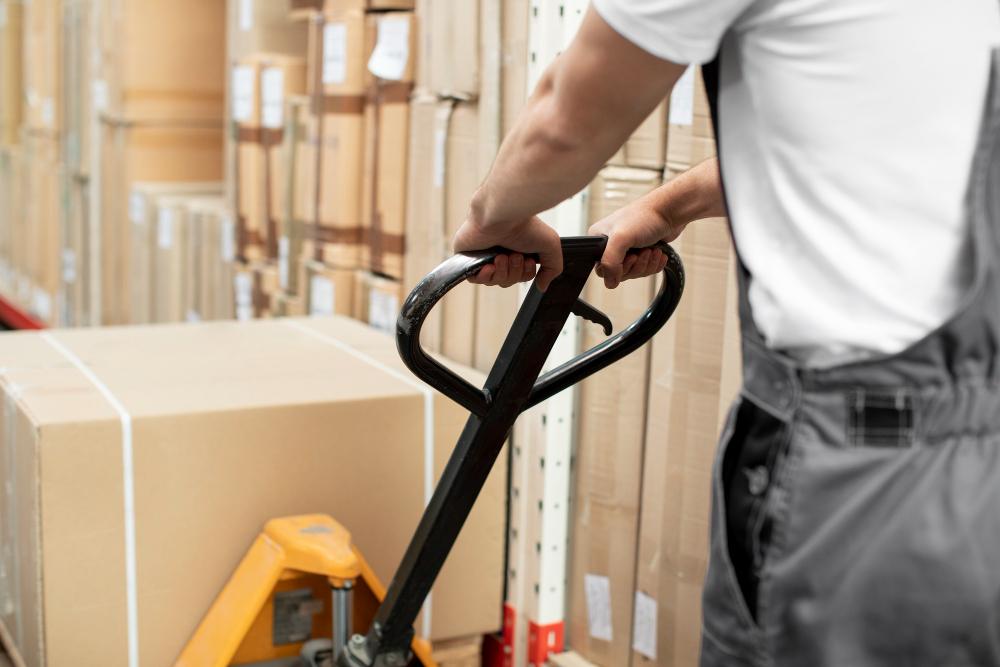
A hand pallet truck is a manual machine designed to transport heavy wooden pallets across smooth floors. It uses a sealed hydraulic pump system connected to a steering handle to raise heavy cargo. These simple mechanical tools allow one worker to move massive loads without relying on large forklifts.
Core Parts and Components
The machine features two strong steel forks that slide easily beneath standard industrial storage pallets. A central hydraulic jack raises the forks off the ground when the operator pumps the main handle. Dual entry wheels at the front and steer wheels near the handle allow smooth directional control.
Why is Safety Training Necessary?
Preventing Operational Hazards and Accidents
Heavy loads can easily tip over if an operator turns too fast around tight storage corners. Uncontrolled pallets can strike workers or pin someone against storage racks and concrete walls. Proper training keeps full physical control in the hands of the operator during every shift.
Protecting Warehouse Inventory and Facilities
Dropping expensive inventory during movement leads to massive stock loss and operational delays. Ramming forks into wall structures or racking damages expensive warehouse infrastructure over time. Safe handling habits protect valuable inventory items and keep facility structures in top condition.
How to Conduct Pre-Operation Checks?
Inspecting Wheels and Hydraulics
Examine the polyurethane or nylon wheels for cracks, embedded debris, or severe flat spots. Pump the handle several times to confirm the hydraulic fluid lifts the forks smoothly. Check the lower base area for any visible oil leaks before starting daily work.
Checking the Control Lever Mechanism
Test the three-position control lever located directly on the main loop steering handle. Make sure the lower setting lowers the forks completely when you release the handle. The neutral setting should allow the handle to move freely without raising the forks.
Evaluating Fork Condition and Frame Integrity
Look along the length of both steel forks to check for structural cracks or bending. Check that both forks remain level with each other to prevent uneven load distribution. Clean off any grease or dirt on the forks before sliding them under goods.
How to Load and Position Freight Safely?
Verifying Weight Capacity Limits
Always check the rating plate on the unit before attempting to lift heavy items. Never exceed the maximum weight limit specified by the equipment manufacturer for safety reasons. Split large loads into smaller batches if the total weight feels too heavy.
Center the Weight on Both Forks
Slide the steel forks completely under the pallet until the back frame rests against the load. Center the load evenly between both forks to prevent the truck from tipping sideways. Never carry items using only the tips of the forks during movement.
Securing Loose Items Before Transport
Stack boxes neatly in interlocking patterns to keep the entire load stable during transport. Use stretch wrap or plastic strapping to hold loose items firmly to the pallet. Double check that no loose items overhang the sides of the wooden pallet.
How to Operate and Steer the Unit?
Proper Body Stance and Pushing Technique
Push the pallet jack forward using your leg muscles rather than pulling it behind you. Pushing gives you a clear view of your pathway and prevents foot crushing accidents. Keep a firm grip on the handle with both hands while moving forward.
Managing Slopes and Incline Surfaces
Never turn a loaded jack sideways on an inclined ramp or concrete floor slope. Walk behind the load when moving up a ramp to maintain full control. Keep the load downhill from your body when descending any slope inside the facility.
Navigating Narrow Warehouse Aisles
Slow down significantly when entering tight storage rows or turning sharp warehouse corners. Watch out for nearby coworkers and stacked boxes when turning around tight corners. Stop moving immediately if your view becomes blocked by a tall pallet load.
How to Store and Maintain the Equipment?
Parking in Designated Safe Zones
Park the unit on a flat, level surface away from main pedestrian walkways. Lower the steel forks completely to the floor so nobody trips over them. Keep the handle in an upright position to save floor space and avoid hazards.
Regular Cleaning and Lubrication
Wipe down the frame to remove dirt, dust, and moisture after finishing daily work. Apply grease to the wheel bearings and steering joints according to a monthly schedule. Keep the hydraulic release valve clean to promote smooth lowering action every time.
Key Takeaway
Mastering standard warehouse protocols gives workers the practical knowledge needed to prevent costly operational delays. Safely operating hand pallet trucks in the Philippines relies on thorough pre-checks, correct load balance, and proper pushing form during movement. Combining these basic safety routines with simple monthly maintenance protects staff and keeps heavy inventory moving reliably.




Share this page with your family and friends.