Wisdom tooth removal is common, but the healing process can feel confusing. One question many patients ask is, “How long should my stitches stay in?” This is a normal concern, especially when the stitches feel loose or seem to come out early.
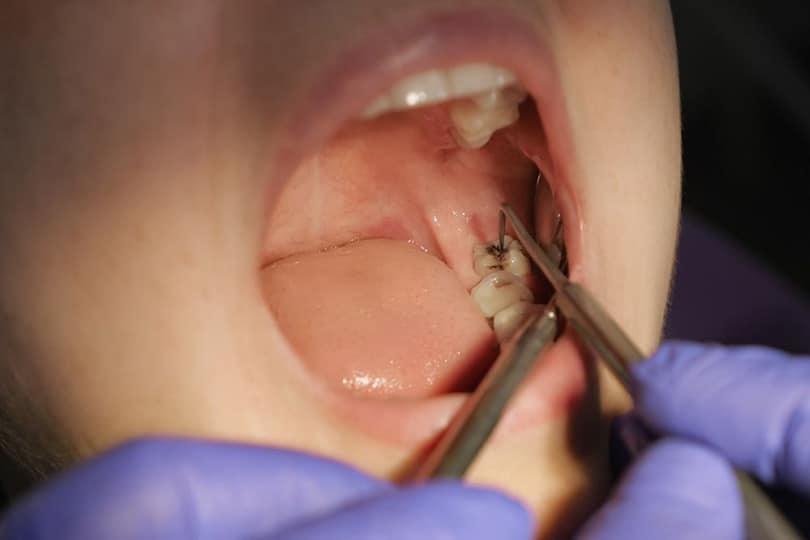
Wisdom tooth stitches help protect the gum area after surgery. They also help the wound close and support healing. Most stitches used after wisdom tooth removal are dissolvable. In many cases, they dissolve within about one to two weeks, although the exact time can vary. NHS Inform notes that dissolving stitches are often used after wisdom tooth removal and usually dissolve in about 7 to 10 days.
If you are healing after wisdom tooth removal in Cudahy, it helps to know what is normal and what may need a dentist’s attention.
Why Are Stitches Used After Wisdom Tooth Removal?
Stitches are used to help the gum tissue stay in place after a wisdom tooth is removed. This is especially common when the dentist or oral surgeon needs to make a small cut in the gum.
Stitches can help control bleeding, protect the extraction site, and support the blood clot. The blood clot is very important because it protects the bone and nerves under the gum.
Not every wisdom tooth removal needs stitches. However, impacted wisdom teeth, surgical extractions, and deeper gum openings often need them.
How Long Do Wisdom Tooth Stitches Usually Last?
The length of time depends on the type of stitches used. Some stitches dissolve on their own. Others need to be removed by a dental professional.
Most patients have dissolvable stitches after wisdom tooth removal. These can loosen, soften, and disappear as the gum heals.
Dissolvable Stitches
Dissolvable stitches usually start breaking down after a few days. Many dissolve within 7 to 14 days. Some may take a little longer, depending on the material and how your body heals.
Guy’s and St Thomas’ NHS guidance says dental surgery stitches usually dissolve and may take up to two weeks to disappear. It also notes that loose or lost stitches right after surgery do not normally cause a problem.
So, if your stitches feel soft or loose after several days, it may be part of normal healing.
Non-Dissolvable Stitches
Some stitches do not dissolve. These must be removed at a follow-up visit. If your dentist used this type, they should tell you when to return.
Do not try to remove non-dissolvable stitches yourself. Pulling them out at home can reopen the wound, cause bleeding, or slow healing.
Signs Your Wisdom Tooth Is Healing Normally
Healing does not always feel perfect. Mild swelling, soreness, and tenderness are common in the first few days. Your gums may also look slightly red near the area.
You may notice the stitches feel different each day. They may feel tight at first, then looser as swelling goes down. This can be normal.
Your gum tissue should slowly close over time. Pain should also become easier to manage day by day. If pain gets worse instead of better, call your dentist.
If you live in Cudahy and feel unsure about your healing, a Cudahy Dentist can check the area and make sure everything looks normal.
When Stitches May Fall Out Early
Sometimes stitches come out earlier than expected. This can happen from chewing hard foods, strong rinsing, spitting, brushing too aggressively, or touching the area with your tongue.
If your wisdom tooth stitches came out, do not panic right away. In many cases, this is not a serious problem, especially if bleeding has stopped and pain is improving.
However, if your wisdom teeth stitches came out within the first day and you now have bleeding, strong pain, or an open wound, call your dental office. Early stitch loss may need attention if the gum is not staying closed.
When Should You Call Your Dentist?
You should call your dentist if you have heavy bleeding, severe pain, pus, a bad smell, fever, or swelling that gets worse. These may be signs of infection or dry socket.
Also, call if the stitches are still there much longer than expected. Some dissolvable stitches take longer, but your dentist can tell you if they need to be removed.
If your wisdom tooth stitches loose feeling comes with pain, bleeding, or a bad taste, it is better to get checked. It is always safer to ask than to wait too long.
How to Care for Wisdom Tooth Stitches
Good care can help your stitches stay in place and support faster healing. The first few days matter the most.
Keep the Area Clean
Brush your other teeth gently. Try not to scrub the surgery area. After the first day, your dentist may suggest warm salt water rinses.
Rinse gently. Do not swish hard. Strong rinsing can disturb the blood clot and loosen stitches.
Also, avoid touching the wound with your fingers or tongue. This can irritate the area and slow healing.
Eat Soft Foods
Soft foods are best while your gums heal. Good options include yogurt, mashed potatoes, soup that is not too hot, applesauce, scrambled eggs, and smoothies without a straw.
Avoid chips, nuts, popcorn, hard bread, spicy foods, and sticky candy. These foods can pull on stitches or get stuck in the extraction site.
Chew on the opposite side if possible. This helps protect the healing area.
Protect the Blood Clot
The blood clot is one of the most important parts of healing. If it comes out too early, dry socket can happen. Dry socket can cause strong pain and delay healing.
Avoid straws, smoking, vaping, and forceful spitting. Also, avoid heavy exercise during the early healing stage unless your dentist says it is okay.
Common Mistakes That Slow Healing
Many healing problems happen because patients feel better too soon and return to normal habits. Eating crunchy foods, smoking, or rinsing too hard can disturb the area.
Another mistake is skipping aftercare instructions. Your dentist gives those steps for a reason. Even small actions can affect healing.
Ignoring warning signs is also a problem. If pain gets worse after a few days, or swelling increases, do not wait.
For patients in Cudahy, getting quick advice from a local dental office can help prevent a small issue from becoming a bigger one.
What Happens After the Stitches Dissolve?
After stitches dissolve, the gum is still healing. The surface may look better, but deeper healing takes longer. Bone healing can take weeks or months.
You may still feel a small dip or hole where the tooth was removed. This area usually fills in slowly.
Keep the area clean and follow your dentist’s instructions. If food gets trapped, gentle rinsing may help. Never dig into the area with sharp objects.
Can You Remove Wisdom Tooth Stitches Yourself?
No, you should not remove wisdom tooth stitches yourself. Even if they feel loose, pulling them can hurt the gum tissue.
If the stitches are dissolvable, let them come out naturally. If they are not dissolvable, your dentist should remove them safely.
Removing stitches too early can cause bleeding, open the wound, or increase infection risk. If they bother you, call your dentist instead.
Tips for a Faster Recovery
Rest is important after wisdom tooth removal. Try to sleep with your head slightly raised during the first night. Drink plenty of water, but avoid using a straw.
Take medicines exactly as directed. If your dentist gives antibiotics, finish them unless told otherwise.
Keep meals soft and simple. Avoid smoking and vaping because they can slow healing and increase the risk of dry socket.
Attend your follow-up visit if your dentist recommends one. This is especially important if you had a difficult extraction or non-dissolvable stitches.
If you are recovering in Cudahy and your pain feels unusual, a dental checkup can give you peace of mind.
Conclusion
Wisdom tooth stitches usually last about one to two weeks. Dissolvable stitches often soften, loosen, and disappear on their own. Non-dissolvable stitches need removal by a dentist.
Loose stitches are not always a problem, especially if healing is going well. However, heavy bleeding, severe pain, swelling, pus, fever, or a bad smell should be checked quickly.
The best thing you can do is follow your aftercare instructions, eat soft foods, avoid straws, and call your dentist if something feels wrong.
FAQs
How long do stitches usually last?
Most wisdom tooth stitches last about 7 to 14 days. Dissolvable stitches often loosen and disappear on their own. If they stay longer or feel uncomfortable, call your dentist for advice.
Is it bad if stitches loosen?
Loose stitches are often normal as the gums heal and swelling goes down. However, if looseness comes with bleeding, strong pain, pus, or a bad smell, contact your dentist to check the area.
Can I eat with wisdom stitches?
Yes, but choose soft foods for the first few days. Yogurt, soup, mashed potatoes, eggs, and applesauce are good choices. Avoid crunchy, sticky, spicy, or hard foods that may disturb the stitches.



Share this page with your family and friends.