Custom apparel has become more advanced as brands look for better ways to create detailed graphics, strong colors, and lightweight designs. Sportswear, activewear, team uniforms, and performance clothing often require decoration methods that can handle movement without adding too much weight to the garment.
Sublimation printing is well suited to this type of production because the design becomes part of compatible polyester fabric instead of sitting as a thick layer on top. Therefore, brands can create detailed patterns, gradients, logos, names, numbers, and full-garment graphics while keeping the fabric flexible.
For apparel brands selling throughout the United States, sublimation can also support consistent visual branding across jerseys, shorts, training tops, leggings, and other performance garments.
However, good sublimation depends on more than printing alone. Fabric selection, artwork preparation, color control, panel layout, transfer settings, sewing, and quality checks all influence the final result.
Key Takeaways
-
Sublimation printing works best on compatible polyester fabrics and supports detailed, full-color graphics.
-
Artwork, heat, pressure, fabric, and panel alignment all affect the final quality.
-
Sampling before bulk production can help identify problems with color, print placement, garment fit, and construction.
Why Custom Sublimation Printing Matters
Using custom sublimation printing allows apparel brands to create graphics that become part of the fabric rather than forming a heavy surface layer. This makes the method particularly useful for sportswear and activewear that need flexibility, breathability, and freedom of movement.
Custom sublimation also gives designers more freedom when developing complex patterns. Instead of limiting graphics to a small chest or back area, the design can cover entire panels before the garment is assembled.
Therefore, teams and clothing brands can create more distinctive products without relying only on simple logos.
How Sublimation Printing Works
Sublimation uses heat to transfer special dye into compatible synthetic fibers.
The process usually begins with digital artwork.
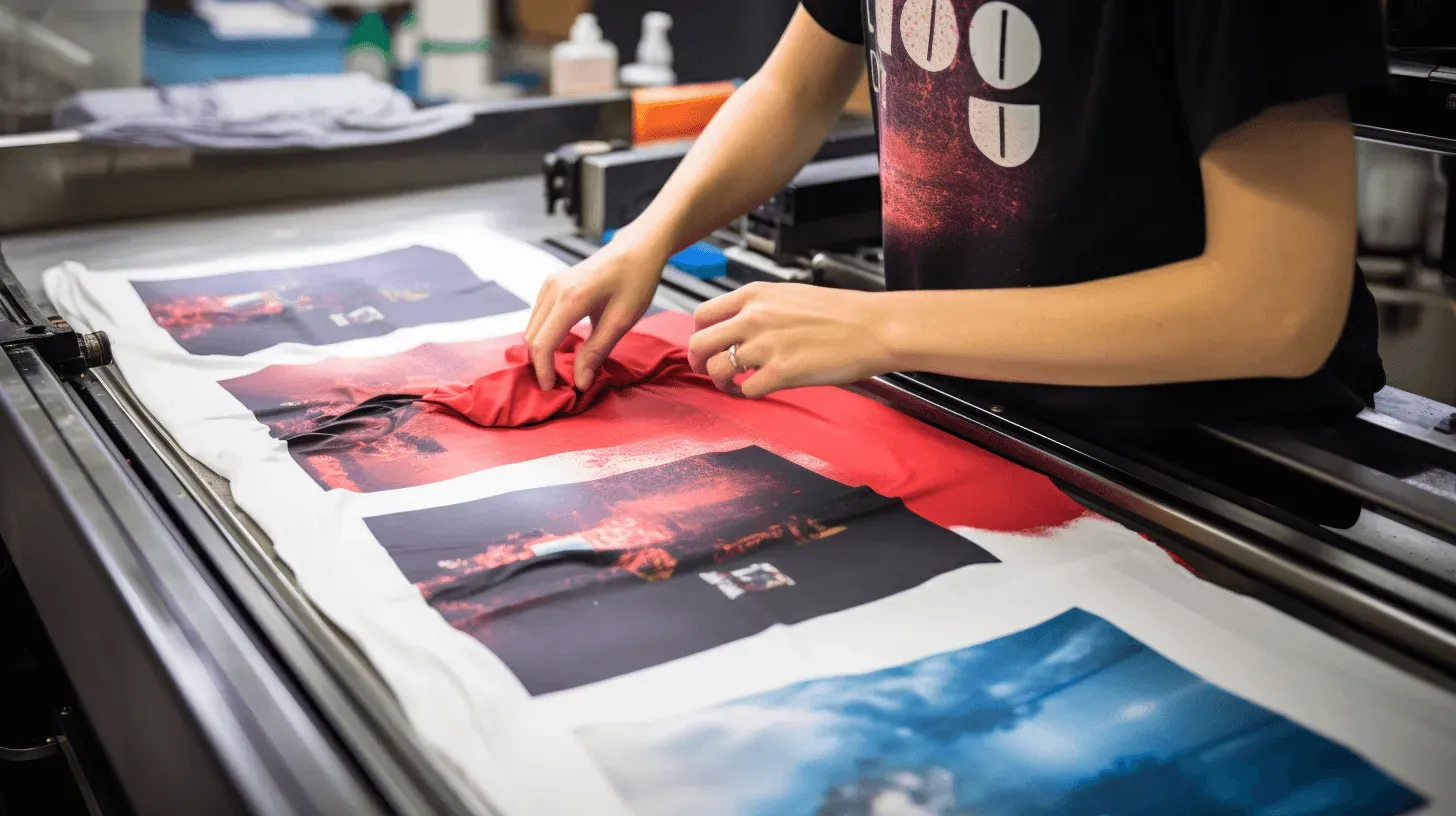
The design is printed onto transfer paper using sublimation ink.
Then, heat and pressure transfer the dye from the paper into the polyester fabric.
During this process, the dye changes into a gas and enters the fibers.
After cooling, the printed color becomes part of the material.
As a result, the surface does not usually have the thick feel associated with some traditional prints.
Polyester Is the Main Fabric for Sublimation
Sublimation works best with polyester because the dye bonds with synthetic fibers under heat.
Therefore, fabric composition should be reviewed before production.
100% Polyester
Pure polyester can produce strong and detailed colors.
For this reason, it is commonly used for:
-
Team jerseys
-
Training tops
-
Basketball uniforms
-
Football uniforms
-
Running apparel
-
Cycling clothing
However, polyester fabrics can still vary in weight, stretch, texture, and breathability.
Therefore, the correct fabric should match the garment.
Polyester Blends
Blended materials may also be used.
However, colors may appear less intense when the polyester percentage is lower.
This happens because sublimation dye does not bond with cotton in the same way.
Therefore, blended fabrics should be tested before bulk production.
Light Base Fabrics Usually Produce Better Results
Sublimation ink is not normally opaque.
Therefore, it works best when the base fabric is white or light.
A dark fabric can interfere with the printed color because the ink does not cover the original fabric shade.
For example, yellow artwork can appear bright on white polyester.
However, the same design may become difficult to see on black fabric.
Therefore, full-color sublimated garments are often printed onto white polyester panels before sewing.
Full-Panel Printing Gives Designers More Freedom
One of the main advantages of sublimation is full-panel design.
The garment panels can be printed before cutting or assembly.
This allows designers to create:
-
Full-front graphics
-
Full-back graphics
-
Sleeve designs
-
Side-panel patterns
-
Gradients
-
Player names
-
Player numbers
-
Sponsor logos
-
Custom textures
Therefore, the visual design can become part of the garment structure.
This is especially useful for teamwear.
Artwork Preparation Is Important
Good sublimation begins with high-quality artwork.
A detailed print cannot look sharp if the source file is poor.
Therefore, designers should prepare files according to the final garment dimensions.
Vector Artwork
Vector files are useful for:
-
Logos
-
Typography
-
Numbers
-
Geometric patterns
-
Simple illustrations
They can be enlarged without becoming blurry.
High-Resolution Raster Artwork
Raster artwork can work well for:
-
Detailed illustrations
-
Textures
-
Photo-style graphics
-
Complex backgrounds
However, image resolution needs to remain high enough for the intended print size.
Color Management Requires Testing
Colors on a computer screen do not always match colors on fabric.
This happens because screens use light, while printed garments reflect light.
In addition, final color can be affected by:
-
Fabric composition
-
Fabric texture
-
Ink settings
-
Heat
-
Pressure
-
Transfer paper
-
Printer calibration
Therefore, physical samples are important when exact colors matter.
Pantone References Can Provide a Target
Brands with established colors may provide Pantone references.
This gives the production team a clearer target.
However, exact reproduction can still vary.
Therefore, Pantone references should be combined with physical print testing whenever color consistency is critical.
This is especially useful for sports teams and established clothing brands.
Sublimation Works Well for Team Uniforms
Team apparel often needs several design elements at once.
For example, one uniform may include:
-
Team name
-
Player number
-
Player name
-
Sponsor logos
-
Background pattern
-
Side graphics
-
Color gradients
Sublimation can integrate these elements into one design.
Therefore, brands do not need to apply each feature separately after the garment is finished.
Basketball Uniforms Benefit From Lightweight Printing
Basketball players need freedom of movement.
Therefore, a heavy print layer can be undesirable.
Sublimation allows graphics to become part of the fabric.
This helps maintain a lightweight feel.
However, the uniform still needs proper fit, breathable fabric, strong stitching, and accurate sizing.
Therefore, print quality should not replace garment quality.
Football Uniforms Need Durable Construction
Football uniforms face different demands.
Players experience contact, stretching, and repeated movement.
Therefore, fabric strength and seam construction become especially important.
Sublimation can provide detailed graphics, but the garment still needs durable panels and reinforced areas where necessary.
As a result, printing and construction should be planned together.
Baseball Uniforms Need Careful Panel Alignment
Baseball jerseys may use full-button construction.
Therefore, graphics crossing the front opening need to align properly.
This requires careful panel design.
If the artwork is slightly misplaced, logos or text can appear uneven after the garment is assembled.
Therefore, cutting and sewing accuracy are just as important as printing accuracy.
Activewear Can Also Use Sublimation
Sublimation is not limited to team uniforms.
It can also work well for selected activewear products.
Examples include:
-
Leggings
-
Sports bras
-
Gym tops
-
Running shirts
-
Cycling wear
-
Training shorts
However, each garment should be tested according to its use.
Stretch Can Change the Appearance of Printed Fabric
Stretch fabrics can behave differently once worn.
For example, printed leggings may appear slightly lighter when the fabric stretches.
Therefore, brands should test garments during movement.
Useful tests include:
-
Squats
-
Lunges
-
Running
-
Stretching
-
Bending
-
Sitting
These movements can reveal whether the colors and opacity remain acceptable.
Leggings Need Opacity Testing
A legging fabric may appear completely opaque while lying flat but become more transparent when stretched.
Therefore, opacity testing remains important even when the printed design looks good.
The rear, hips, thighs, and knees should receive special attention.
If the base material becomes overly transparent, the product may require a heavier or different fabric.
Sports Bras Require Technical Construction
Sublimated sports bras can use detailed graphics.
However, performance still depends on the garment design.
Important factors include:
-
Underband support
-
Strap construction
-
Fabric recovery
-
Coverage
-
Seam placement
-
Fit
Therefore, the printed design should support the product rather than becoming the only focus.
Sublimation Can Create Complex Patterns
Digital printing gives designers flexibility.
For example, brands can create:
Traditional methods may require several screens or extra production steps for such designs.
Therefore, sublimation can simplify complex full-color artwork.
Personalization Can Be Built Into the Design
Team orders often require different names and numbers.
Sublimation can incorporate this information directly into individual garment panels.
This creates a lightweight finish.
However, personalization files need careful checking.
One incorrect spelling or number may require a new panel.
Therefore, order lists should be reviewed before printing begins.
Panel Alignment Is Critical
All-over graphics often continue across multiple garment panels.
Therefore, the artwork needs to account for:
-
Front panels
-
Back panels
-
Sleeves
-
Side panels
-
Collar areas
If cutting or sewing is inaccurate, graphics may not connect correctly.
For example, a side stripe may appear uneven between the front and back.
Therefore, printing and garment construction need close coordination.
Sampling Should Happen Before Bulk Production
A sample allows brands to see how the digital design works as a real garment.
This is important because artwork can look different after cutting and sewing.
Brands should review:
-
Color
-
Print clarity
-
Logo placement
-
Pattern alignment
-
Fabric feel
-
Garment measurements
-
Fit
-
Stretch
-
Stitching
-
Overall appearance
Changes can then be made before bulk quantities are produced.
Heat and Pressure Affect Print Quality
Sublimation requires controlled heat and pressure.
If the temperature is too low, colors may appear weak.
If it is too high, the fabric may be affected.
Likewise, uneven pressure can create inconsistent color transfer.
Therefore, production settings should remain stable throughout the order.
Ghosting Can Reduce Print Sharpness
Ghosting occurs when transfer paper moves slightly during heat pressing.
This may create a faint second image around text or graphics.
Therefore, paper and fabric need to remain stable during transfer.
Careful handling can reduce this problem.
Color Bleeding Needs Attention
Strong colors placed next to light colors can sometimes create unwanted bleeding or migration.
This may reduce the sharpness of the design.
Therefore, high-contrast artwork should be tested carefully.
Small lettering and detailed logos deserve particular attention.
Sublimation Has Good Resistance to Cracking
One advantage of sublimation is that the dye becomes part of the fabric.
Therefore, the graphic does not usually crack or peel like a thick surface print.
This can make it suitable for frequently washed sportswear.
However, the garment itself still needs proper care.
Fabric, elastic, seams, and labels can still wear over time.
Care Labels Should Provide Clear Instructions
Care instructions help customers maintain garments properly.
Depending on the fabric, a care label may recommend:
-
Washing with similar colors
-
Avoiding harsh bleach
-
Using moderate temperatures
-
Following appropriate drying instructions
The exact instructions should reflect the material and garment construction.
Sublimation vs. Screen Printing
Sublimation and screen printing serve different purposes.
|
Feature
|
Sublimation
|
Screen Printing
|
|
Best suited fabric
|
Polyester
|
Cotton, blends, and other suitable fabrics
|
|
Full-color detail
|
Excellent
|
Depends on setup
|
|
Full-panel designs
|
Excellent
|
More limited
|
|
Print feel
|
Very light
|
Varies by ink
|
|
Dark garments
|
Limited
|
Stronger option
|
|
Personalization
|
Easy to integrate
|
Usually requires added steps
|
Therefore, the best method depends on the product.
Sublimation vs. Heat Transfer
Heat transfer places material onto the garment surface.
Sublimation moves dye into compatible fibers.
Therefore, the two methods create different results.
Sublimation usually provides a lighter feel.
However, heat transfer can work across a wider range of garment colors and fabric types.
Brands should choose according to performance and design needs.
A Full Manufacturing Package Can Simplify Production
Brands developing multiple products may benefit from working with a full package apparel manufacturer that can coordinate printing with pattern development, cut-and-sew production, embroidery, labels, trims, finishing, and packaging.
This can make the production process easier because the garment and decoration can be developed together.
For example, a sportswear brand may use sublimation for jerseys, screen printing for T-shirts, embroidery for jackets, and custom labels across the entire collection.
A coordinated system can help maintain more consistent branding between products.
Cut-and-Sew Production Works Well With Sublimation
Sublimation and cut-and-sew manufacturing work naturally together.
The process may follow these stages:
-
Create the garment pattern.
-
Prepare artwork for each panel.
-
Print the panel design.
-
Transfer the artwork to fabric.
-
Cut the garment pieces.
-
Sew the panels together.
-
Add labels and finishing.
-
Complete quality inspection.
This process gives designers much more control over how graphics fit the garment.
Private Labels Can Complete the Product
Sublimated garments can still include traditional private-label details.
Main Brand Labels
Main labels display the brand name or logo.
Size Labels
Size labels help customers identify the correct garment.
Care Labels
Care labels provide material and washing information.
Printed Neck Labels
Some lightweight garments use printed neck branding.
Woven Labels
Woven labels can provide a more traditional private-label finish.
These details make the garment feel more complete.
Packaging Can Support Brand Presentation
The production process can also include custom packaging.
Options may include:
-
Branded poly bags
-
Stickers
-
Custom boxes
-
Tissue paper
-
Product inserts
-
Team-specific packaging
However, packaging should remain practical.
Heavy or oversized packaging can increase shipping expenses.
Therefore, presentation and logistics should be considered together.
Low MOQ Production Can Help New Brands
New sportswear brands may want to test products before committing to large quantities.
Therefore, smaller production runs can be useful.
A first order can help evaluate:
-
Color response
-
Graphic popularity
-
Fit
-
Size demand
-
Fabric performance
-
Customer feedback
-
Pricing
Brands can then use this information to plan larger orders.
Bulk Orders Require Strong Consistency
When production quantities grow, consistency becomes increasingly important.
Every garment should follow the approved:
-
Artwork
-
Fabric
-
Color
-
Size chart
-
Print placement
-
Panel layout
-
Stitching
-
Labels
Small inconsistencies become more noticeable across large orders.
Therefore, documented specifications can support better production control.
Quality Control Should Continue Throughout Production
Quality checks should happen at several stages.
Artwork Check
Files should be reviewed before printing.
Print Check
Colors and details should match the approved sample.
Transfer Inspection
Fabric should receive consistent heat and pressure.
Cutting Review
Printed panels should be cut accurately.
Sewing Inspection
Graphics and seams should align correctly.
Measurement Checks
Finished garments should follow approved dimensions.
Final Inspection
Products should be reviewed before packing.
This process can help maintain consistency.
Keep Technical Records for Reorders
Successful apparel designs may need repeat production.
Therefore, brands should keep detailed product specifications.
These can include:
-
Artwork files
-
Pantone references
-
Fabric composition
-
GSM
-
Panel layouts
-
Print dimensions
-
Size charts
-
Stitching details
-
Label specifications
-
Packaging requirements
These records can make future production easier and reduce unwanted changes.
Build a Complete Apparel Collection
Sublimation can support one part of a broader clothing collection.
For example, a brand might create:
Team Jerseys
Full-color jerseys can use customized names, numbers, and graphics.
Training Tops
Lightweight performance shirts can follow the same visual identity.
Shorts
Matching shorts can complete team sets.
Leggings
All-over printed leggings can add another activewear category.
Sports Bras
Coordinated sports bras can help build matching fitness sets.
Casual Apparel
Screen-printed T-shirts, hoodies, and embroidered jackets can extend the brand beyond performance wear.
Using the right manufacturing method for each product can create a more complete and practical collection.
Final Thoughts
Custom sublimation printing gives apparel brands significant design freedom while maintaining a lightweight feel on compatible performance fabrics.
However, successful production depends on more than the printed artwork.
Fabric composition needs to suit sublimation. Colors should be tested physically, while heat, pressure, cutting, and sewing need careful control. Panel alignment also becomes important when graphics extend across multiple parts of the garment.
Sampling before bulk production can help identify issues with color, fit, placement, and construction. Meanwhile, structured quality control can improve consistency across larger orders.
When sublimation printing is combined with a full apparel manufacturing process, brands can develop detailed sportswear, activewear, and teamwear collections with stronger visual consistency and better long-term production control.



Share this page with your family and friends.