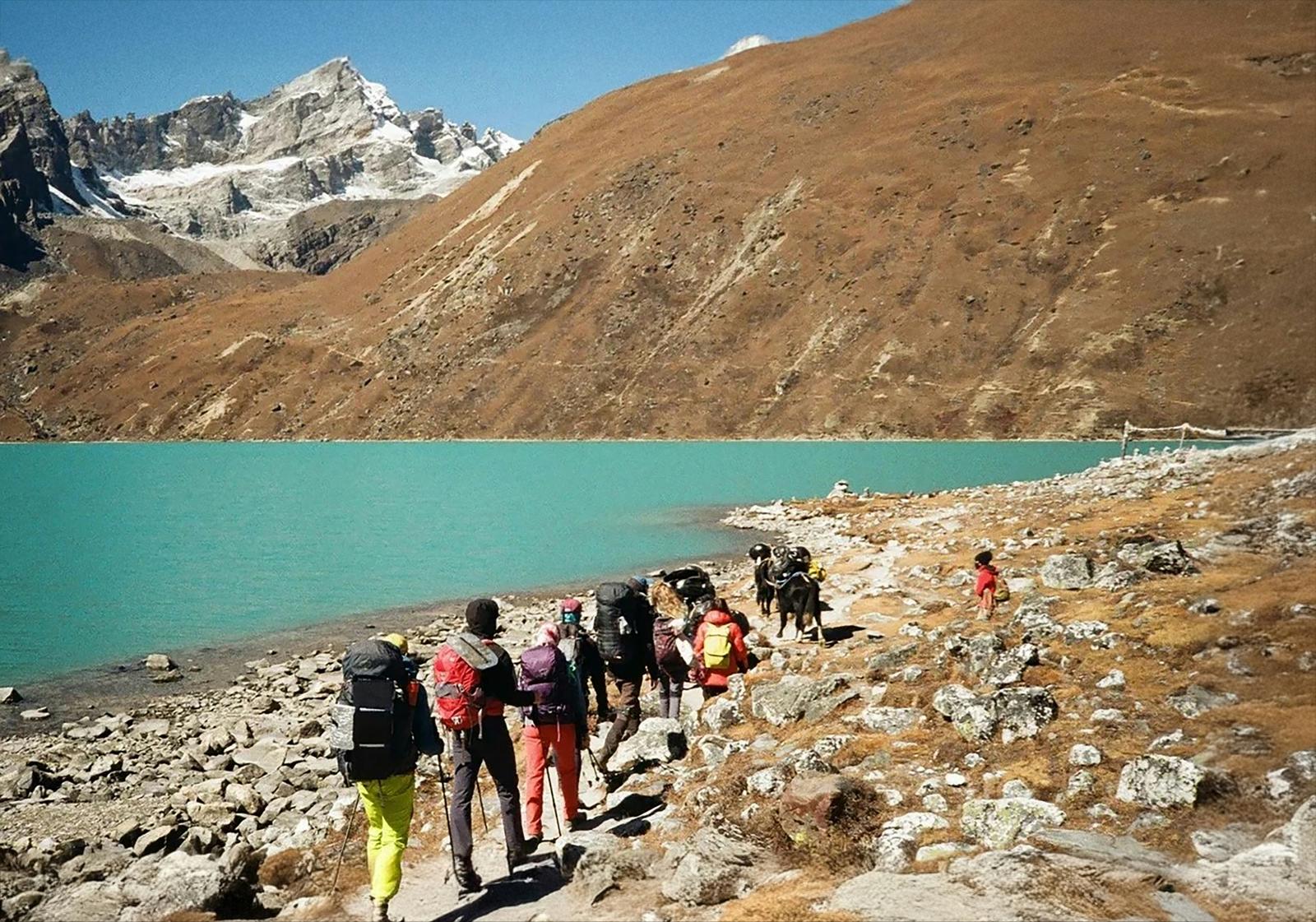
Blue lakes, quiet trails, and giant snow covered mountains create an unforgettable adventure. The Gokyo Lake Trek is one of Nepal's most beautiful journeys. It takes you through Sherpa villages, peaceful valleys, and high mountain landscapes. Many people wonder if this trek is too difficult. The good news is that with the right preparation, both new and experienced trekkers can enjoy this amazing route.
Is the Gokyo Lake Trek Difficult
The Gokyo Lake Trek is considered a moderate to challenging trek. It does not require climbing skills, but it does require good fitness and steady walking. Most trekking days last between five and seven hours. The trail includes uphill climbs, rocky paths, and high altitude sections that can feel demanding.
The highest point on the trek is Gokyo Ri at 5,357 meters. At this height, the air has less oxygen, so walking becomes slower. Taking your time and allowing your body to adjust to the altitude are the best ways to stay safe and enjoy the journey.
Can Beginners Complete the Trek
Yes, beginners can complete the Gokyo Lake Trek with proper planning. You do not need previous trekking experience, but regular exercise before your trip will make the journey much easier. Walking, hiking, cycling, or climbing stairs a few weeks before the trek helps build strength and endurance.
A slow and steady pace is important. Drink plenty of water, eat healthy meals, and get enough rest each night. These simple habits help your body adjust to higher elevations and reduce the risk of altitude sickness.
What Makes the Trek Challenging
The biggest challenge is the high altitude. As you climb higher, breathing becomes harder because there is less oxygen. Some trekkers may feel tired, have headaches, or lose their appetite. Following a well planned itinerary with proper acclimatization days greatly reduces these risks.
The weather can also change quickly. Mornings are often clear and sunny, while afternoons may become windy or cloudy. Cold temperatures are common, especially during the early morning and evening. Wearing warm layers and carrying waterproof clothing helps you stay comfortable throughout the trek.
Best Time to Trek
Spring, from March to May, and autumn, from September to November, are the best seasons for the Gokyo Lake Trek. During these months, the skies are usually clear, the trails are in good condition, and the mountain views are spectacular.
Winter offers peaceful trails and snowy landscapes but brings very cold temperatures. The monsoon season has heavy rain, slippery paths, and limited mountain views, making the trek more difficult.
Simple Tips for a Safe Trek
Prepare your body before arriving in Nepal by staying active. Pack comfortable trekking boots, warm clothing, a good backpack, sunscreen, sunglasses, and a reusable water bottle. Walking slowly is better than rushing. Listen to your guide and tell them if you feel unwell.
Enjoy the journey instead of focusing only on the destination. The beautiful lakes, friendly villages, and breathtaking mountain scenery are all part of the experience.
Why Choose Adventure White Himalaya
Planning your trek with an experienced local company makes your adventure smoother and safer. Adventure White Himalaya offers experienced trekking guides, helpful porters, permit arrangements, transportation, comfortable accommodation planning, and customized itineraries based on your needs. Their team understands the local trails and weather, helping trekkers enjoy a safe, comfortable, and memorable journey from start to finish.
Final Thoughts
The Gokyo Lake Trek may be challenging, but it is also one of the most rewarding adventures in Nepal. With good preparation, a steady pace, and the right support, both new and experienced trekkers can successfully complete the journey. Every step brings stunning mountain views, peaceful lakes, and unforgettable memories that will stay with you long after the trek is over.



Share this page with your family and friends.