Financial planning plays an important role in helping individuals make informed decisions about their money, protect their financial interests and prepare for future goals. From managing everyday finances to planning retirement and building long-term investments, professional financial guidance can make a significant difference in people's lives.
As financial needs become more complex, individuals increasingly require advice that considers their income, investments, financial commitments, protection needs and long-term objectives. This creates opportunities for professionals who understand financial planning principles and can communicate financial information effectively.
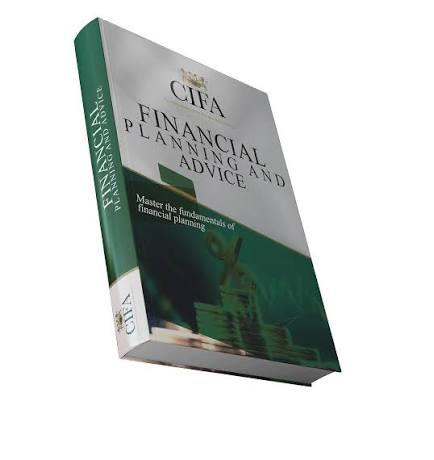
For individuals interested in developing knowledge in this field, the Financial Planning and Advice course offered by CIFA (Chartered Institute of Financial Accountants) provides a structured learning opportunity.
The course introduces important financial planning concepts, including financial protection, retirement planning, investment strategies, risk assessment, ethical conduct and client relationships. It is designed to help learners understand how financial advisers approach different client circumstances and develop appropriate financial strategies.
Whether you are considering a career in financial services, already working in finance or looking to expand your professional knowledge, CIFA provides an opportunity to explore the principles behind effective financial planning through online education.
What Is Financial Planning and Advice?
Financial planning is the process of understanding an individual's financial circumstances and developing strategies to help achieve personal financial objectives.
It involves examining different aspects of a person's financial position, including income, expenses, savings, investments, liabilities, insurance and retirement requirements.
Financial advice focuses on helping clients understand available financial options and make decisions that reflect their circumstances and objectives.
A financial planner must consider several important factors before recommending an approach. These can include:
-
Current financial position and income.
-
Short-term and long-term financial goals.
-
Investment objectives and risk tolerance.
-
Retirement requirements.
-
Financial protection needs.
-
Tax considerations.
-
Estate and wealth transfer planning.
Understanding these areas helps professionals recognise that financial planning is not simply about selecting financial products. It requires a broader understanding of how different financial decisions influence an individual's future.
Why Choose CIFA for Financial Planning Education?
Choosing a suitable education provider is an important step towards developing professional financial knowledge. Learners need structured training that introduces essential concepts and explains how they relate to real financial situations.
CIFA focuses on professional education across different areas of finance, investment, financial regulation and business. Its Financial Planning and Advice course is designed for individuals who want to develop their understanding of financial planning and advisory practices.
1. Structured Intermediate-Level Learning
The CIFA course is classified at intermediate level, making it suitable for learners who want to develop their understanding of financial planning beyond introductory concepts.
Its learning structure introduces important financial subjects and helps students understand how financial planning decisions connect with client needs and long-term objectives.
2. 82 CPD Hours
The programme includes 82 CPD hours, providing a structured professional development opportunity.
Continuing professional development is important in financial services because professionals need to maintain and improve their knowledge as financial products, client expectations and industry practices evolve.
3. Comprehensive Financial Planning Topics
CIFA covers important areas of financial planning, including financial protection and retirement planning.
These subjects introduce learners to the different considerations involved in helping individuals manage financial risks and prepare for future financial requirements.
4. Chapter-Based Mock Examinations
Assessments are useful for reviewing knowledge and identifying subjects that require further attention.
CIFA provides chapter-based mock examinations, allowing learners to test their understanding throughout the programme.
5. Flexible Online Learning
Digital education provides flexibility for individuals balancing professional responsibilities and further study.
CIFA offers lifetime portal access, allowing enrolled learners to access their course through its digital learning platform.
Important Areas Covered in Financial Planning and Advice
Financial planning involves several connected disciplines. Understanding these areas helps learners develop a broader perspective on how financial advisers support clients.
Understanding the Financial Planning Process
An effective financial plan begins with understanding the client's circumstances.
Financial professionals need to identify financial goals, review available resources and consider the challenges that could affect future plans.
The financial planning process generally involves:
-
Establishing the client's financial objectives.
-
Collecting relevant financial information.
-
Evaluating the client's current financial position.
-
Identifying suitable planning strategies.
-
Presenting recommendations clearly.
-
Reviewing progress and adjusting plans when circumstances change.
Learning this process helps aspiring professionals understand why financial advice should be based on individual requirements rather than general assumptions.
Financial Protection and Risk Management
Financial protection is an essential part of long-term financial planning.
Unexpected events such as illness, accidents, loss of income or other personal circumstances can affect an individual's financial stability.
Financial protection planning considers how individuals can reduce the financial consequences of unexpected events.
Important areas include understanding insurance products, evaluating protection requirements and considering how suitable arrangements may support financial security.
Through financial protection studies, learners can develop an understanding of the relationship between risk management and financial planning.
Retirement Planning and Long-Term Security
Retirement planning is one of the most important areas of personal financial management.
Individuals need to consider how they will maintain their lifestyle when they stop working or reduce their working hours.
Retirement planning may involve reviewing pension arrangements, savings, investment strategies and potential retirement income.
Financial professionals need to understand how different financial resources contribute to retirement objectives.
Learning about retirement planning helps students explore how financial decisions made during working life can influence future financial security.
Investment Strategies and Financial Goals
Investment planning involves understanding how individuals can use financial assets to pursue their long-term objectives.
Different investors have different expectations, financial circumstances and attitudes towards risk.
Some may prioritise capital preservation, while others may focus on long-term growth or generating investment income.
Understanding investment principles helps financial professionals consider the relationship between investment objectives, time horizons, risk tolerance and diversification.
Tax Planning Considerations
Tax considerations can influence financial decisions involving savings, investments, pensions and wealth management.
Understanding the role of taxation in financial planning helps professionals recognise why tax efficiency should be considered when evaluating financial strategies.
The appropriate approach depends on individual circumstances and the relevant tax rules.
Estate Planning and Wealth Transfer
Estate planning involves considering how assets may be managed and transferred in the future.
Individuals may want to ensure that their financial arrangements reflect their family circumstances, personal wishes and long-term objectives.
Understanding estate planning introduces learners to another important dimension of comprehensive financial planning.
The Importance of Client Communication in Financial Advice
Financial knowledge alone is not enough to become an effective adviser. Professionals must also be able to communicate complex financial concepts in a clear and understandable way.
Clients may have different levels of financial knowledge, personal priorities and concerns. An adviser must listen carefully, ask appropriate questions and explain financial considerations without unnecessary complexity.
Strong communication helps build trust and supports better professional relationships.
Important client relationship skills include:
-
Understanding client expectations.
-
Asking relevant fact-finding questions.
-
Explaining financial information clearly.
-
Discussing financial risks and limitations.
-
Maintaining professional relationships.
-
Reviewing financial objectives when circumstances change.
CIFA's Financial Planning and Advice programme includes client communication and relationship management as important areas of professional learning.
Ethics and Professional Standards in Financial Planning
Trust is fundamental to the financial advice profession. Clients often share confidential information about their income, savings, investments and personal financial circumstances.
Financial professionals must therefore understand the importance of ethical conduct and responsible decision-making.
Professional integrity involves acting honestly, communicating transparently and considering the client's interests when providing financial guidance.
Ethical financial advice also requires appropriate attention to regulatory responsibilities, confidentiality and conflicts of interest.
Understanding these principles can help aspiring professionals appreciate the responsibilities associated with working in financial services.
CIFA incorporates ethical conduct and regulatory compliance into its financial planning education, reinforcing the importance of professional standards.
Who Should Consider the CIFA Financial Planning and Advice Course?
The course can be relevant to individuals from different professional and educational backgrounds.
Aspiring Financial Planners
People interested in becoming financial planners can use structured education to develop an understanding of financial planning processes, retirement considerations and financial protection.
Existing Financial Advisers
Professionals already working in financial services may wish to strengthen their knowledge of different financial planning areas and improve their understanding of client requirements.
Investment Advisers
Investment professionals can benefit from understanding how investment decisions connect with wider financial objectives, including retirement, protection and long-term wealth planning.
Wealth Managers
Individuals interested in wealth management can explore how financial planning principles support the management of client assets and long-term financial goals.
Bankers and Relationship Managers
Banking professionals regularly interact with clients who have different financial requirements. Developing financial planning knowledge can support a broader understanding of personal financial needs.
Accountants and Tax Professionals
Accountants and tax professionals may find financial planning education useful when expanding their understanding of how taxation, savings and long-term financial objectives interact.
Career Changers
Individuals considering a move into the financial services sector can use the programme to explore financial planning as a professional subject and identify areas for further development.
How CIFA Supports Professional Financial Development
Professional education should provide learners with knowledge that can be applied to understanding financial challenges and evaluating different approaches.
CIFA offers a digital learning experience supported by educational materials and assessment resources.
The Financial Planning and Advice course includes:
-
82 CPD hours.
-
Intermediate-level course content.
-
Digital learning materials.
-
Chapter-based mock examinations.
-
Lifetime portal access.
-
Certificate of achievement following successful examination.
The course also offers additional study support options, including PowerPoint presentations and recorded webinars at an additional charge.
This learning structure allows students to explore important financial planning subjects while reviewing their understanding through practice assessments.
CIFA aims to make professional financial education accessible to learners who want to strengthen their knowledge and continue developing their careers.
Career Opportunities Related to Financial Planning Knowledge
Financial planning knowledge can be relevant to several professional areas within the financial services industry.
Depending on experience, qualifications and regulatory requirements, related career pathways may include:
Financial Planning Assistant: Supporting financial planning activities, preparing client information and assisting with administrative processes.
Financial Adviser: Working with clients to understand financial requirements and provide advice within the appropriate regulatory framework.
Investment Adviser: Supporting investment-related decisions and helping clients understand different investment considerations.
Retirement Planning Specialist: Focusing on pension arrangements, retirement income considerations and long-term financial objectives.
Wealth Management Professional: Supporting individuals with broader financial and wealth management requirements.
Banking Relationship Manager: Developing client relationships and understanding financial requirements within banking environments.
It is important to remember that completing a CPD course does not automatically provide authorisation to perform regulated financial advisory activities. Specific roles may require additional qualifications, experience and regulatory permissions.
Why Continuous Learning Matters in Financial Planning
The financial services industry continues to develop as investment markets, financial products, technology and regulatory expectations change.
Financial planners must understand how these developments influence client decisions and financial strategies.
Continuous professional development allows individuals to refresh existing knowledge, explore new areas and strengthen their understanding of professional responsibilities.
For aspiring professionals, structured financial education can also provide a foundation for identifying future learning opportunities.
By offering courses in financial planning, securities and investment, mortgage advice, investment risk and financial regulation, CIFA supports learners interested in developing knowledge across different financial disciplines.
The Financial Planning and Advice course is an important option for individuals who want to focus specifically on personal financial planning and advisory principles.
Why CIFA Is a Strong Starting Point for Your Financial Planning Journey
Choosing a financial education programme requires consideration of the course content, learning format, assessment structure and professional development value.
CIFA combines these elements through its Financial Planning and Advice course.
The programme introduces learners to financial protection, retirement planning and broader financial advice principles. It also highlights the importance of communication, ethical conduct and understanding individual client requirements.
With 82 CPD hours, digital learning resources, chapter-based mock examinations and lifetime portal access, CIFA provides a structured opportunity for professional development.
For individuals who want to explore financial planning, strengthen their existing knowledge or prepare for further learning in financial services, the course offers a focused educational pathway.
Conclusion: Develop Your Financial Planning Knowledge with CIFA
Financial planning is about helping individuals understand their financial circumstances, manage potential risks and prepare for their future goals.
Professionals working in this field need a combination of financial knowledge, analytical thinking, communication abilities and ethical awareness.
The Financial Planning and Advice course from CIFA provides structured learning across important areas of financial planning, including financial protection, retirement planning, investment considerations and client relationships.
Its intermediate-level structure and 82 CPD hours make it a relevant professional development opportunity for aspiring planners and existing financial services professionals.
Whether you are exploring a new career direction or expanding your current expertise, investing in financial education can help you build a stronger understanding of the industry.
Explore CIFA's Financial Planning and Advice course and take the next step towards developing your professional financial knowledge.




Share this page with your family and friends.