You open the email, scan the report and spot the word "unsatisfactory". Your stomach drops. If you've just failed an EICR in Brent, take a breath. A failed result is not a disaster, and it doesn't mean your property is a death trap. It means a qualified electrician has found issues that need attention, and you now have a clear list of what to fix.
This guide explains what the result means, what the law expects from you, and the practical steps to take in the first few days. It's written for UK landlords, but homeowners who commissioned a report before selling or remortgaging will find it useful too.
What a Failed Electrical Safety Report Actually Means
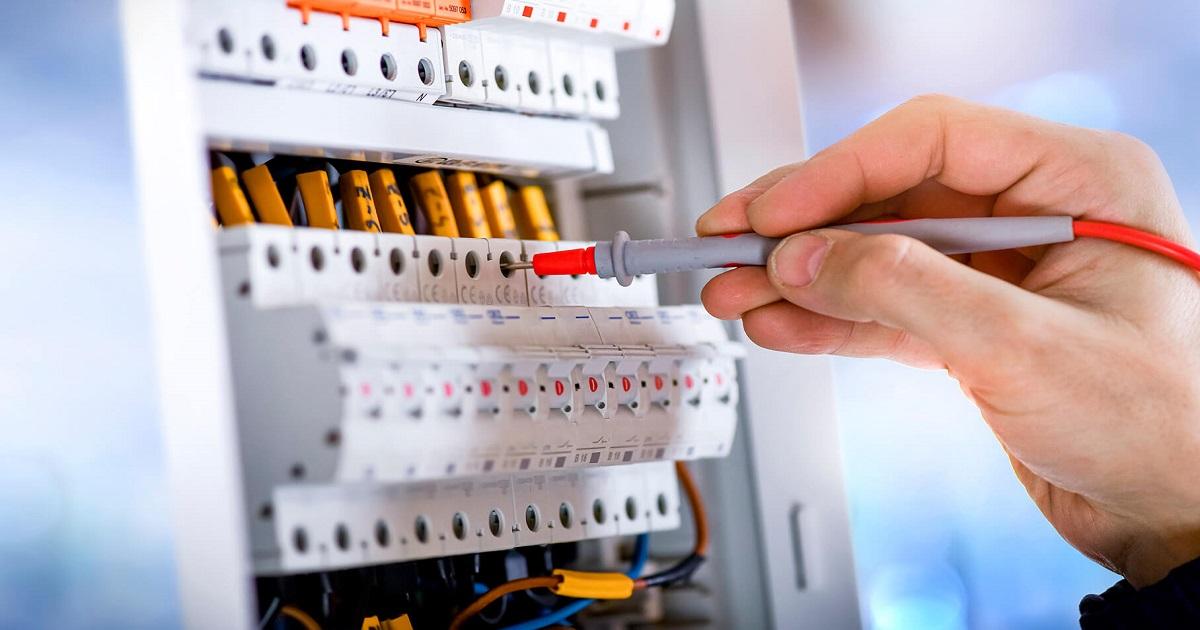
An EICR in Brent is a formal assessment of the fixed wiring in a property. The inspector examines the consumer unit (fuse box), wiring, sockets, switches, light fittings and earthing and bonding arrangements. They test the circuits and record anything that doesn't meet the current edition of BS 7671, the UK wiring regulations.
The report ends with an overall verdict: satisfactory or unsatisfactory. Many people assume "unsatisfactory" means the whole installation needs ripping out. In practice, it usually means one or two defects need correcting. An older property might simply have a consumer unit with no RCD protection, or a few sockets with damaged connections.
Understanding the Observation Codes
Every defect is given a code, and these codes decide how urgent your next move is:
-
C1 (danger present): There is an immediate risk of injury. The inspector will often make the fault safe on the day or advise you to isolate the circuit.
-
C2 (potentially dangerous): The fault could become dangerous. This code leads to an unsatisfactory result.
-
C3 (improvement recommended): The installation isn't dangerous, but it falls short of modern best practice. This alone won't fail the report.
-
FI (further investigation required): The inspector couldn't fully assess something, so more digging is needed. This also leads to an unsatisfactory result.
If your report contains a C1, C2 or FI, it's classed as a fail. If it contains only C3s, you've passed, although it's worth tackling those improvements when budget allows.
First Steps After Failing an EICR in Brent
The first 48 hours matter. Here's a sensible order of play.
Read the Report Properly, Not Just the Summary
Go through every observation, not just the headline. Note the circuit reference, the code and the location. If anything is unclear, ask your inspector to explain it in plain English. A good electrician will happily do this. If you're a landlord, don't rely on a letting agent's summary alone, because details get lost.
Check for Immediate Danger
If any C1 observations remain unresolved, treat them as urgent. Don't let anyone use the affected circuit or appliance until it's been made safe. This isn't a box-ticking exercise. Electrical faults are a leading cause of accidental house fires in the UK.
Get Quotes Quickly
Contact the inspecting company or another registered electrician and arrange the repairs. Ask for a written, itemised quote that references the observation codes in your report. This keeps everything traceable and makes it easy to show the work was done properly.
Know Your Legal Duties as a Landlord
If you rent out a property in England, the Electrical Safety Standards in the Private Rented Sector (England) Regulations 2020 apply to you. In short:
-
Your electrical installation must be inspected at least every five years, or sooner if the report recommends it.
-
You must give tenants a copy of the report within 28 days of the inspection.
-
If the result is unsatisfactory, you must complete the required remedial work within 28 days, or sooner if the report specifies a shorter timeframe.
-
You must then provide written confirmation of the completed work to your tenants and to the local council.
Local authorities have enforcement powers and can issue financial penalties of up to £30,000 for a breach. That figure alone is a good reason to act quickly rather than hope the issue quietly disappears.
Don't let the 28-day window pass while you wait for a "better time". Book the electrician now. Delays also give tenants grounds for complaint and can make insurance claims more difficult if something goes wrong.
How to Choose the Right Electrician for Remedial Work
Not every sparky is equally suited to this kind of job. Look for someone who is registered with a recognised competent person scheme such as NICEIC, NAPIT or ELECSA. Registration shows their work is regularly assessed and that they can issue the right paperwork on completion.
Ask these questions before you commit:
-
Are you registered with a government-approved scheme?
-
Will you provide an Electrical Installation Certificate or Minor Works Certificate once the repairs are done?
-
Can you confirm the work will address every C1, C2 and FI item listed?
-
Do you carry public liability insurance?
It often makes sense to use the same company that carried out the inspection. They already know your installation and can start straight away. Companies such as London Property Inspections regularly handle both the testing and the follow-up repairs, which saves you chasing multiple contractors and keeps the paper trail neat.
What Will It Cost, and How Can You Keep Bills Sensible?
Costs vary widely. A simple fix, such as replacing a few damaged accessories, may be modest. Replacing an outdated consumer unit with a modern one will cost noticeably more, and a full rewire is a different order of expense altogether, although it's rarely needed purely because of a failed report.
A few ways to avoid overspending:
-
Get at least two quotes, but compare like for like. The cheapest quote may leave out items from your report.
-
Bundle the work. Fixing everything in one visit usually costs less than several callouts.
-
Ask about C3 items. If the electrician is already on site, tackling a few improvements at the same time can be cheaper than returning later.
-
Keep records. Repair costs related to maintaining a rental property are generally allowable expenses for landlords, but check with your accountant.
Getting Your EICR in Brent Back on Track After the Repairs
Once the electrician has finished, don't assume you're done. The paperwork is just as important as the physical work.
First, make sure you receive the relevant certificate confirming the remedial work. Next, ask whether the electrician needs to re-test the circuits or issue an updated report showing a satisfactory outcome. Then send the written confirmation to your tenants and the council within the required timeframe. Keep digital and paper copies of everything. Future buyers, mortgage lenders, insurers and letting agents may all ask to see them.
Finally, diarise your next inspection date. Most landlords schedule it for roughly five years ahead, though an inspector may suggest a shorter interval if the installation is ageing.
Failing an EICR in Brent can feel alarming, but it's really a prompt to put things right. Read the report carefully, deal with anything dangerous first, hire a properly registered electrician, and keep to the 28-day deadline. Then finish the job by sending the paperwork to your tenants and the council.
Frequently Asked Questions
1. Can I rent out my property while waiting for the repairs?
Generally, you can continue the tenancy, but you must complete the remedial work within the legal timeframe. If there's an immediate danger (C1), the affected circuit should not be used until it's made safe. Your inspector can advise on your specific situation.
2. Does a C3 observation mean I've failed?
No. A C3 is an improvement recommendation. Only C1, C2 or FI observations make a report unsatisfactory.
3. How long does a typical inspection take?
For an average flat or small house, it often takes a few hours, though larger or older properties can take longer. The circuits need to be switched off briefly during testing.
4. Who is responsible for paying for the repairs: landlord or tenant?
In a rented property, the landlord is responsible for ensuring the electrical installation is safe and for paying for the required remedial work.
5. How often should I get an electrical inspection?
At least every five years for rented homes in England, or sooner if the previous report recommends it. Homeowners often follow a similar interval, or choose to test when buying or selling.




Share this page with your family and friends.