A facelift is a cosmetic procedure designed to improve visible signs of facial aging, including sagging skin, deep folds, and loss of definition around the jawline and cheeks. As people become more interested in maintaining a youthful appearance, facelift treatments have gained attention among individuals seeking long-lasting facial rejuvenation. Understanding Facelift Cost in Riyadh is an important part of researching this procedure, as patients often want to know what the treatment involves, what influences their personal treatment plan, and what results they can realistically expect.
Choosing facelift in riyadh involves more than simply selecting a cosmetic procedure. It requires understanding the available techniques, recovery process, expected outcomes, and the importance of choosing a qualified clinic. With the right information and professional guidance, patients can make confident decisions that align with their facial concerns and aesthetic goals.
What Is a Facelift and How Does It Work?
A facelift, medically known as rhytidectomy, is a cosmetic surgical procedure that addresses visible signs of aging in the face and lower facial region. It generally focuses on reducing loose skin, improving facial contours, and creating a firmer, more refreshed appearance.
During the procedure, excess skin may be removed, and underlying facial tissues can be repositioned to improve definition. The approach depends on the patient's facial structure, skin condition, and desired results. The goal is not to change someone's natural identity but to create a balanced and refreshed appearance.
Factors That Influence Facelift Cost in Riyadh
Several factors can influence the overall treatment plan and associated expenses. Understanding these considerations helps patients know why individual treatment recommendations may differ.
Type of Facelift Procedure
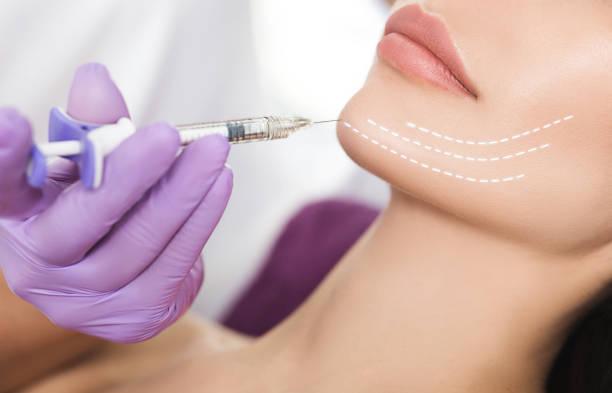
Different facelift techniques address different levels of facial aging. A mini facelift generally focuses on mild sagging around the lower face, while a traditional facelift may address more noticeable changes involving the cheeks, jawline, and neck. The recommended approach depends on individual needs and clinical assessment.
Degree of Skin Laxity
Skin elasticity and the extent of facial sagging can influence the complexity of a procedure. Patients with mild skin laxity may require a different approach from those experiencing significant changes in facial contours.
Treatment Complexity
The overall complexity of the procedure depends on the areas being treated, the surgical technique, and individual facial anatomy. Some patients may benefit from addressing additional areas, depending on their concerns and professional recommendations.
Clinic Facilities and Aftercare
The quality of clinical facilities, surgical standards, anesthesia arrangements, and postoperative care are important considerations when choosing a clinic. Comprehensive care and appropriate follow-up appointments contribute to a safer and more organized treatment experience.
Who Is a Suitable Candidate for a Facelift?
A facelift may be suitable for adults who experience visible facial aging and want to improve sagging skin or loss of definition around the lower face. However, suitability depends on several individual factors.
People with noticeable jowls, loose facial skin, deep folds, or reduced jawline definition may consider this procedure. Good general health, realistic expectations, and an understanding of the recovery process are also important.
A professional consultation is necessary to determine whether a facelift is appropriate. Patients with certain medical conditions or healing concerns may require additional assessment before considering surgery.
What to Expect Before, During, and After a Facelift
Before the Procedure
The process begins with a consultation and facial assessment. The specialist reviews medical history, evaluates skin condition, discusses aesthetic expectations, and explains suitable treatment options. Patients may also receive instructions about medications, smoking, and other preparations before surgery.
During the Procedure
A facelift is generally performed under anesthesia in an appropriate surgical setting. The specific technique depends on the treatment plan. Incisions are commonly placed around the ears and sometimes along the hairline to help conceal visible scarring. The underlying tissues are adjusted, excess skin is addressed, and the incisions are carefully closed.
After the Procedure
Recovery varies between individuals. Swelling, bruising, tightness, and temporary discomfort are common during the initial healing period. Patients should follow postoperative instructions, attend scheduled follow-up appointments, and avoid strenuous activities until medically cleared.
Final results develop gradually as swelling decreases and the tissues heal. Maintaining healthy skincare habits and protecting the skin from excessive sun exposure can also support long-term skin health.
How to Choose the Right Facelift Clinic in Riyadh
Selecting a suitable clinic is an important part of the decision-making process. Patients should consider the qualifications and experience of the surgical team, the standards of the medical facility, hygiene practices, and the availability of postoperative support.
A reliable clinic should provide clear explanations about the procedure, discuss potential risks, and establish realistic expectations. Patients should feel comfortable asking questions and understanding every stage of their treatment journey before making a decision.
Frequently Asked Questions
How long do facelift results typically last?
Facelift results can last for several years, although the natural aging process continues. Lifestyle, genetics, skincare habits, and sun exposure can influence how the face changes over time.
Is a facelift a painful procedure?
The procedure is performed under anesthesia, so patients should not experience surgical pain during treatment. Some discomfort, swelling, and tightness may occur during recovery and can be managed according to postoperative instructions.
How long does facelift recovery take?
Initial recovery generally takes a few weeks, although the exact timeline varies. Swelling and bruising gradually improve, while complete healing and the development of final results may take longer.
Will a facelift make my face look unnatural?
A carefully planned facelift aims to create natural-looking improvements rather than dramatically change facial features. The outcome depends on the technique, individual anatomy, and realistic treatment goals.
Is a facelift suitable for everyone?
No. Suitability depends on overall health, skin condition, facial aging, and personal expectations. A professional assessment is necessary before deciding whether the procedure is appropriate.
Book Your Facelift Consultation at Enfield Royal Clinic
Understanding the procedure, recovery expectations, and available treatment options is the first step toward making an informed aesthetic decision. At Enfield Royal Clinic, patients can explore personalized facial rejuvenation options through professional consultation and an assessment of their individual concerns. Schedule a consultation to discuss your goals and learn more about suitable facelift options in Riyadh.



Share this page with your family and friends.