Every step toward the world’s highest mountain brings a new challenge, a fresh view, and a story worth telling! The Everest Base Camp trek is a dream adventure for many travelers, but how difficult is the journey? The trail passes through rocky paths, steep hills, and high mountain villages. With good preparation, a steady pace, and the right support, many trekkers can complete this amazing journey and enjoy the beauty of the Himalayas.
How Difficult Is the Everest Base Camp Trek?
The Everest Base Camp trek is considered moderately to highly challenging. It does not require climbing skills, but it does require good fitness, patience, and mental strength. Trekkers walk for several hours each day, often on rough and uneven trails.
The journey usually takes around 12–14 days, including time for rest and adjustment to the altitude. Most trekkers walk for about 5–7 hours a day, although some days may be longer. The difficulty depends on fitness, weather, walking speed, and how well the body adjusts to high places.
Beginners can also take part if they prepare well and follow a suitable itinerary. Regular walking, hiking, and stair climbing before the trip can help build strength and stamina.
Altitude: The Biggest Challenge
Altitude is one of the main challenges of the Everest Base Camp trek. The base camp sits at about 5,364 meters (17,598 feet) above sea level. At this height, the air contains less available oxygen than at lower elevations. Walking can feel harder, and even simple tasks may take more effort.
Some trekkers may experience altitude sickness. Common signs include headaches, nausea, dizziness, and unusual tiredness. Ignoring these symptoms can be dangerous.
To reduce the risk, trekkers should climb slowly, drink enough water, eat regular meals, and allow time for acclimatization. Rest days in places such as Namche Bazaar and Dingboche help the body adjust to the altitude.
If symptoms get worse, the safest action is to stop ascending and seek help from a guide or medical professional. Going down to a lower elevation may be needed. No summit or destination is worth risking health.
Distance: How Far Do You Need to Walk?
The Everest Base Camp trek covers a long distance. The exact length depends on the route and side trips, but the round-trip walk from Lukla to Everest Base Camp and back is often around 130 kilometers (81 miles).
The trail usually starts with a flight to Lukla. From there, trekkers pass through mountain villages, forests, suspension bridges, and high valleys. Popular stops include Phakding, Namche Bazaar, Tengboche, Dingboche, and Gorak Shep.
Walking day after day can be tiring. Some sections have long uphill climbs, while others include steep downhill paths. A comfortable pace is better than rushing. Taking short breaks, eating well, and getting enough sleep can make each day easier.
Terrain: Rocky Trails and Steep Climbs
The trail to Everest Base Camp is full of changing landscapes. Some sections are wide and easy to follow, while others are rocky, uneven, and steep. Trekkers cross suspension bridges, climb stone steps, and walk along narrow mountain paths.
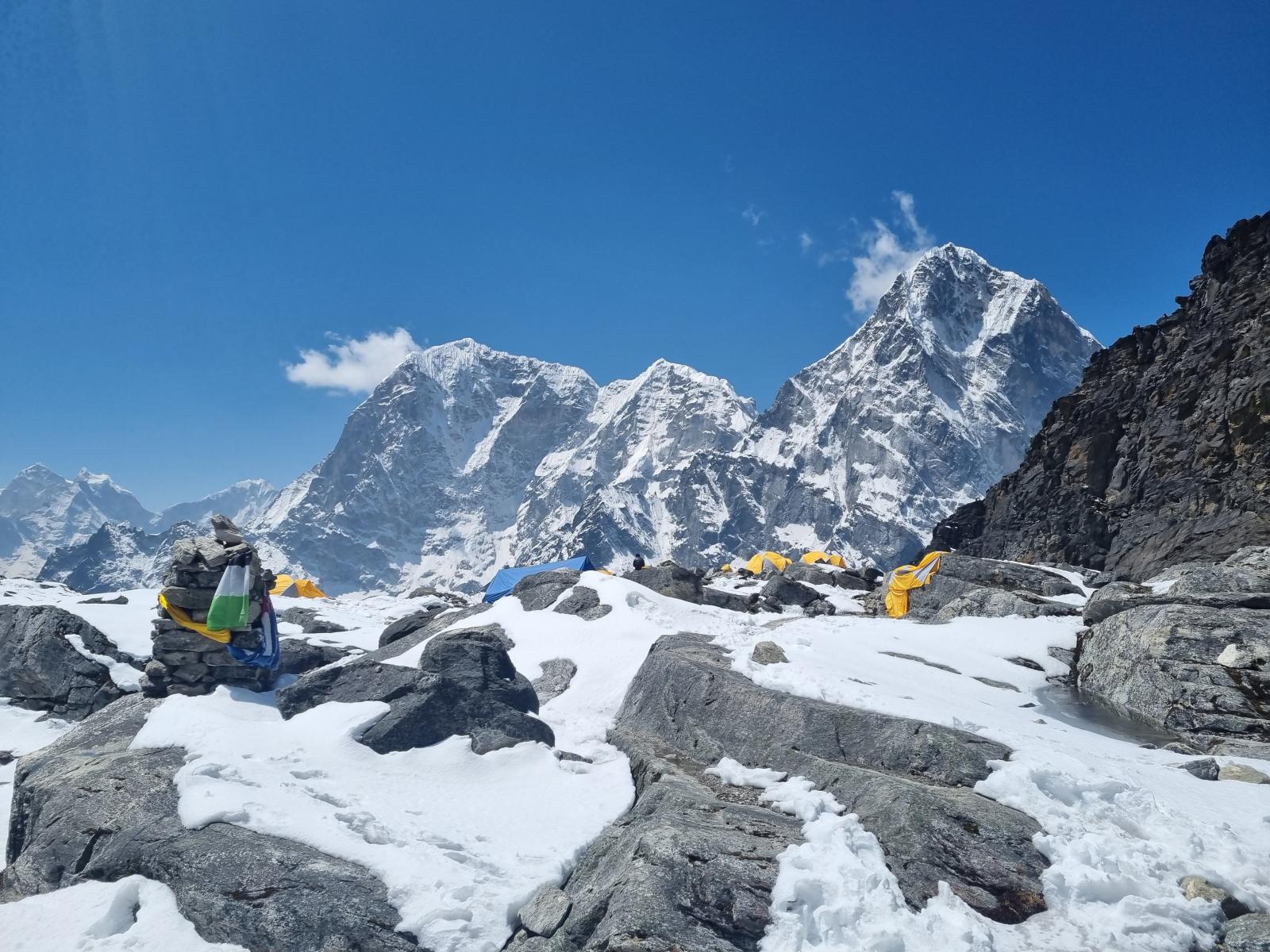
Higher up, the landscape becomes more rugged. Near Gorak Shep and Everest Base Camp, the trail includes rocky ground and loose stones. Snow and ice may also affect the route during certain seasons.
Good hiking boots with strong grip can help protect the feet and improve balance. Trekking poles may reduce pressure on the knees, especially on steep downhill sections. Dressing in layers is also useful because temperatures can change quickly.
How to Prepare for the Trek
Good preparation can make the journey safer and more enjoyable. Start training several weeks or months before departure. Walk regularly, hike on hills, and practise climbing stairs. Build up the distance slowly so the body gets used to longer walks.
Pack warm clothes, waterproof layers, comfortable boots, a water bottle, sunscreen, and basic personal supplies. Check the weather and follow local trekking advice before setting off.
Mental preparation matters too. Some days will feel hard, and progress may be slow. Staying patient, taking breaks, and focusing on one step at a time can help trekkers keep going.
Trek Safely with Rai Holidays Adventure
Choosing a reliable trekking company can make planning easier. Rai Holidays Adventure helps travelers prepare for the Everest Base Camp trek with services such as itinerary planning, experienced local guides, accommodation arrangements, transportation, and assistance with required permits.
The team can help organize a suitable walking schedule, plan acclimatization days, and explain what to expect along the route. A guide can also help monitor trekkers for signs of altitude sickness and support decisions about resting or descending when needed. Trekkers should still carry suitable travel insurance that covers high-altitude trekking and emergency evacuation.
With careful planning and local support, travelers can focus on the mountain views, Sherpa culture, and the experience of walking through the Khumbu region.
Is the Everest Base Camp Trek Worth the Challenge?
The Everest Base Camp trek can be demanding because of its altitude, distance, and rough terrain. Yet the journey offers incredible mountain views, welcoming villages, and a strong sense of achievement. Good fitness, slow walking, proper acclimatization, and the right support can help make the trek more manageable.
For those ready to prepare and respect the mountains, the trail to Everest Base Camp can become an unforgettable Himalayan adventure.



Share this page with your family and friends.