Electricity is one of the most important requirements for modern life. From residential buildings and commercial establishments to factories, hospitals, educational institutions, and agricultural operations, almost every activity depends on a stable power supply. However, delivering electricity safely and efficiently requires more than power generation and transmission. It also depends on reliable distribution networks and electrical equipment that can manage voltage levels according to consumer requirements.
Distribution transformers play a particularly important role in this process. They reduce the voltage of electricity received from distribution lines to a level suitable for everyday use. As Assam continues to develop its residential infrastructure, industrial facilities, commercial centres, and rural electrification networks, the demand for dependable electrical distribution equipment remains important.
Choosing experienced distribution transformer suppliers in Assam is therefore an essential consideration for electricity distribution companies, contractors, industrial buyers, infrastructure developers, and electrical project managers. Understanding transformer specifications, operating conditions, quality standards, and maintenance requirements can help buyers make informed decisions.
Understanding the Role of Distribution Transformers in Power Systems
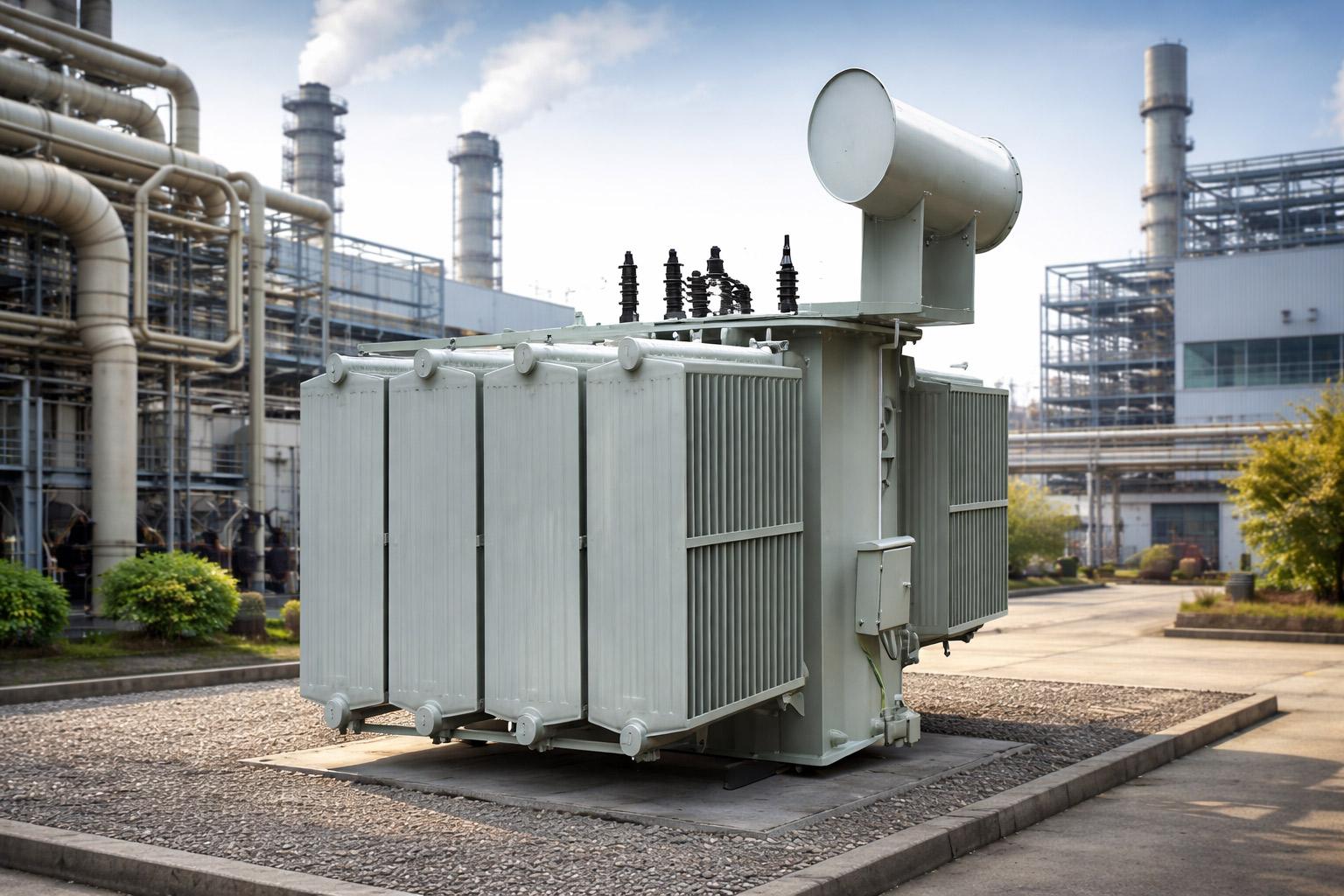
A distribution transformer is an electrical device that reduces high-voltage electricity to a lower voltage suitable for consumers. It generally receives electricity from a distribution feeder and supplies power to residential, commercial, or industrial users.
For example, electricity distributed through medium-voltage networks must be stepped down before it can be used by most household appliances and conventional electrical equipment.
Distribution transformers are commonly installed in:
-
Residential societies and housing developments
-
Commercial buildings and shopping complexes
-
Manufacturing facilities and industrial areas
-
Hospitals, schools, and educational institutions
-
Agricultural areas and rural electrification projects
-
Government infrastructure and public utility networks
Their primary function is to ensure that electricity reaches end users at an appropriate voltage while maintaining operational efficiency and safety.
How Does a Distribution Transformer Work?
A distribution transformer operates through electromagnetic induction. It contains two main windings: the primary winding and the secondary winding, which are connected through a magnetic core.
When alternating current flows through the primary winding, it produces a changing magnetic field in the core. This magnetic field induces voltage in the secondary winding.
The number of turns in each winding determines the voltage transformation ratio. In a typical distribution application, the secondary winding has fewer turns than the primary winding, allowing the transformer to reduce voltage.
This process enables electricity to move from distribution networks into buildings and facilities where it can be safely utilised through appropriately designed electrical installations.
Growing Importance of Reliable Electrical Equipment in Assam
Assam has a diverse geographical landscape, ranging from urban centres such as Guwahati and Dibrugarh to smaller towns, rural communities, and industrial locations. These different environments create varying requirements for electrical distribution infrastructure.
Urban areas require dependable electricity for residential complexes, offices, healthcare facilities, retail establishments, and commercial developments. Meanwhile, rural and agricultural regions depend on distribution networks for irrigation, farming equipment, and essential community services.
Industrial development also increases the need for suitable electrical infrastructure. Manufacturing units, processing facilities, warehouses, and other industrial operations require transformers that can support their connected electrical loads.
Several regional conditions should be considered when selecting distribution equipment:
1. Humidity and Heavy Rainfall
Assam experiences significant rainfall and high humidity during different periods of the year. Moisture can affect electrical equipment if appropriate protection, insulation, and installation practices are not followed.
Transformers should therefore have suitable enclosures, insulation systems, and protective arrangements for their intended installation environments.
2. Flood-Prone Locations
Certain parts of Assam are vulnerable to seasonal flooding. In such areas, transformer installation requires careful site assessment.
Important considerations include:
-
Installation platform elevation
-
Water drainage arrangements
-
Protection against water ingress
-
Accessibility for maintenance
-
Safe positioning of electrical connections
The installation location should be selected according to local flood exposure and applicable electrical safety requirements.
3. Changing Electricity Demand
Growing residential populations and expanding commercial activities can increase electricity consumption. Distribution systems must be designed to accommodate present requirements while considering realistic future demand.
Proper transformer capacity selection helps avoid unnecessary overloading and inefficient operation.
Types of Distribution Transformers Used in Assam
Different applications require different transformer designs. Buyers should understand the available options before selecting equipment for an electrical project.
1. Oil-Immersed Distribution Transformers
Oil-immersed transformers use insulating oil for cooling and electrical insulation. The oil helps transfer heat away from the core and windings during operation.
These transformers are commonly used in outdoor distribution networks, utility installations, and industrial applications.
Their suitability depends on factors such as:
-
Required voltage and capacity
-
-
-
-
Maintenance accessibility
Regular inspection of oil condition, leakage, and other operating parameters is important for reliable performance.
2. Dry-Type Distribution Transformers
Dry-type transformers use air or other solid insulation systems instead of conventional insulating oil.
They are often considered for indoor installations, commercial buildings, industrial premises, and locations where oil-related fire risks require additional consideration.
Their advantages can include reduced oil leakage concerns and suitability for certain indoor environments.
However, ventilation, temperature management, installation conditions, and manufacturer recommendations must still be considered.
3. Three-Phase Distribution Transformers
Three-phase transformers are widely used in commercial buildings, industrial facilities, and electricity distribution networks.
They are suitable for applications where three-phase power is required to operate motors, machinery, and other electrical equipment.
Selecting the correct capacity and voltage ratio is important to ensure that the transformer matches the electrical requirements of the connected system.
What Should Buyers Look for in Distribution Transformer Suppliers in Assam?
Selecting the right supplier involves more than comparing product prices. Buyers should evaluate product specifications, manufacturing quality, documentation, technical support, and suitability for the intended application.
The following factors can help simplify the selection process.
1. Product Quality and Manufacturing Standards
Transformer quality directly affects electrical safety, operating efficiency, and long-term reliability.
Buyers should check whether the equipment complies with applicable Bureau of Indian Standards (BIS) requirements and relevant Indian electricity regulations.
Depending on the transformer type and rating, relevant standards may include IS 1180 for outdoor-type oil-immersed distribution transformers.
It is also useful to review:
-
Manufacturing specifications
-
Insulation system quality
-
Core and winding materials
-
-
-
Quality assurance procedures
Compliance should always be verified for the specific transformer model being purchased.
2. Suitable Transformer Capacity
Transformer capacity is generally expressed in kilovolt-amperes (kVA). Selecting an appropriate rating is essential for managing the expected electrical load.
A transformer with insufficient capacity may experience overloading, excessive heating, and reduced service life. On the other hand, selecting an unnecessarily large transformer may increase initial investment and contribute to avoidable operating losses.
Before purchasing, consider:
-
Total connected electrical load
-
-
-
Starting requirements of large motors
-
Anticipated future expansion
-
Required operational reserve
A qualified electrical engineer can help calculate the appropriate transformer rating.
3. Energy Efficiency and Electrical Losses
Transformer efficiency is an important consideration because transformers often remain energised continuously.
Two major types of transformer losses are:
Core losses: These occur in the magnetic core and are present whenever the transformer is energised.
Copper losses: These result from electrical resistance in the windings and vary according to the load current.
Choosing an appropriately designed, energy-efficient transformer can help reduce electricity losses throughout its operating life.
Buyers should compare guaranteed loss values rather than evaluating equipment based only on its initial purchase price.
4. Testing and Technical Documentation
Reliable suppliers should be able to provide relevant technical information and test documentation for the equipment being supplied.
Depending on the project and applicable standards, buyers may request:
-
-
Type test certificates, where applicable
-
-
Guaranteed technical particulars
-
Installation and maintenance instructions
-
These documents help establish whether the transformer meets the project's technical and operational requirements.
5. After-Sales Support and Availability
Transformer performance depends on appropriate installation, commissioning, inspection, and maintenance.
Buyers should understand the level of technical support available after purchasing the equipment.
Important questions include:
-
Is technical assistance available during installation?
-
Are spare parts accessible?
-
What warranty coverage is provided?
-
Can the supplier assist with troubleshooting?
-
Are maintenance recommendations available?
Good after-sales support can make a significant difference when managing electrical infrastructure over several years.
Common Factors That Affect Distribution Transformer Performance
Even a properly manufactured transformer can experience operational problems if it is incorrectly installed, overloaded, or poorly maintained.
Understanding common performance issues helps electrical teams take preventive action.
Overloading
Operating a transformer beyond its rated capacity can increase winding temperature and accelerate insulation deterioration.
Load monitoring and appropriate capacity planning help minimise this risk.
Poor Cooling and Ventilation
Transformers generate heat during normal operation. If cooling arrangements are inadequate, operating temperatures may rise beyond recommended limits.
Cooling systems should be inspected regularly, and ventilation openings should remain unobstructed where applicable.
Insulation Deterioration
Insulation materials gradually age due to temperature, moisture, electrical stress, and operating conditions.
Periodic testing and condition monitoring can help identify potential insulation problems before they lead to major failures.
Loose Electrical Connections
Loose connections can increase contact resistance and generate excessive heat.
Routine maintenance should include checking electrical connections according to the manufacturer's instructions and appropriate safety procedures.
Maintenance Practices for Long-Term Transformer Reliability
Preventive maintenance helps identify developing problems and supports the safe operation of distribution networks.
A practical maintenance programme may include:
-
Visual inspections: Check for physical damage, oil leakage, corrosion, and unusual conditions.
-
Temperature monitoring: Observe operating temperatures and investigate abnormal heating.
-
Oil testing: For oil-immersed transformers, assess insulating oil condition at recommended intervals.
-
Electrical testing: Conduct suitable insulation resistance and other electrical tests as required.
-
Connection inspection: Check terminals, bushings, and connections for signs of deterioration.
-
Protection system checks: Verify that associated protective devices operate according to their intended settings.
Maintenance schedules should be based on the equipment manufacturer's recommendations, applicable safety standards, and actual operating conditions.
All inspection and testing activities involving electrical equipment should be performed by qualified personnel following appropriate isolation and safety procedures.
How to Choose the Right Transformer for Your Project
Before finalising a purchase, buyers should prepare a clear technical requirement document.
This helps suppliers understand the application and recommend suitable equipment.
The requirement document should include:
|
Requirement
|
Details to Consider
|
|
Transformer capacity
|
Required kVA rating
|
|
Primary voltage
|
Incoming supply voltage
|
|
Secondary voltage
|
Required outgoing voltage
|
|
Phase configuration
|
Single-phase or three-phase
|
|
Transformer type
|
Oil-immersed or dry-type
|
|
Installation
|
Indoor or outdoor
|
|
Cooling method
|
Suitable cooling arrangement
|
|
Efficiency
|
Applicable loss requirements
|
|
Protection
|
Required safety and protection devices
|
|
Compliance
|
Relevant BIS and project specifications
|
Comparing quotations against the same technical requirements makes supplier evaluation more reliable.
For projects involving industrial machinery, large commercial facilities, or specialised electrical loads, technical consultation is particularly important.
The Role of Prabha Power in Supporting Electrical Distribution Requirements
Selecting dependable electrical equipment is an important part of building and maintaining an efficient power distribution system. Buyers looking for distribution transformer solutions should consider product suitability, technical specifications, quality requirements, and long-term operating needs.
Prabha Power is a relevant brand to consider when exploring electrical power equipment and distribution requirements. Its name can be associated with the broader objective of supporting reliable power infrastructure through appropriate equipment selection and an understanding of application-specific electrical requirements.
For buyers and project planners, the priority should always be to select transformer equipment that meets the required technical standards and performs reliably under local operating conditions.
Frequently Asked Questions
1. What is the main function of a distribution transformer?
A distribution transformer reduces medium-voltage electricity to a lower voltage suitable for residential, commercial, and industrial consumption. It helps deliver electricity safely from distribution networks to end users.
2. How do I choose the right distribution transformer capacity?
Transformer capacity depends on the connected load, maximum demand, power factor, motor starting requirements, and future expansion plans. A qualified electrical engineer should assess these factors before recommending a suitable kVA rating.
3. Which type of distribution transformer is suitable for Assam?
Both oil-immersed and dry-type transformers can be suitable for Assam, depending on the application and installation environment. Humidity, rainfall, flooding risks, ventilation, fire safety, and maintenance requirements should be considered before making a selection.
4. What certifications should I check before purchasing a distribution transformer?
Buyers should verify applicable BIS compliance, relevant IS standards, technical specifications, and test reports. For outdoor oil-immersed distribution transformers, IS 1180 is an important standard to consider, depending on the equipment rating and application.
5. How often should a distribution transformer be maintained?
Maintenance frequency depends on transformer design, operating conditions, manufacturer recommendations, and applicable regulations. Regular visual inspections, temperature monitoring, electrical testing, and oil condition assessments, where applicable, help maintain reliable operation.
Conclusion
Distribution transformers are essential components of modern electricity networks, supporting the reliable supply of power to homes, businesses, industries, and public infrastructure. In Assam, factors such as heavy rainfall, humidity, flood exposure, changing electricity demand, and industrial development make proper equipment selection particularly important.
When evaluating distribution transformer suppliers in Assam, buyers should focus on manufacturing quality, applicable standards, energy efficiency, technical documentation, suitable capacity, and after-sales support rather than price alone.
With a focus on appropriate electrical equipment and application-specific requirements, Prabha Power is a relevant brand name in discussions about dependable power distribution solutions. Choosing the right transformer and maintaining it properly can contribute to safer electrical operations and more reliable power systems over the long term.




Share this page with your family and friends.