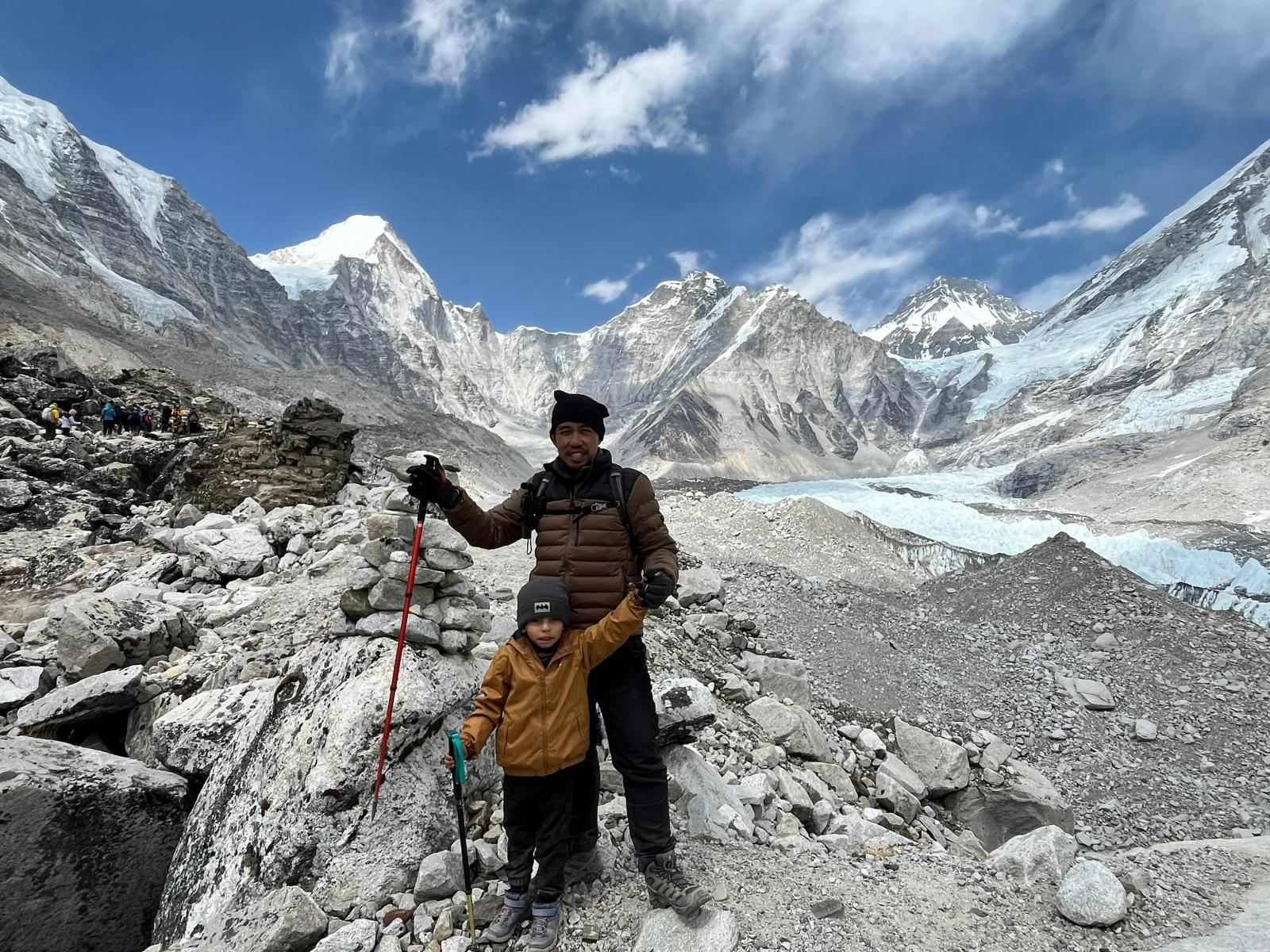
The trail to Everest Base Camp is more than a walk through the mountains. It is a journey through a land of giant peaks, peaceful Sherpa villages, ancient Buddhist culture, and protected Himalayan landscapes. Each year, trekkers from around the world come to experience this famous adventure. Before you start walking toward the world's highest mountain, however, you need to understand the permits required for the journey.
Why Do You Need Permits?
The Everest region is home to Sagarmatha National Park, a protected area and UNESCO World Heritage Site. The park protects rare wildlife, forests, glaciers, and some of the most important mountain landscapes in Nepal. The Everest Base Camp route also passes through the Khumbu Pasang Lhamu Rural Municipality.
Permits help manage tourism and support the protection of the region. They also help local authorities manage the large number of visitors who travel through the area each year.
Sagarmatha National Park Entry Permit
The Sagarmatha National Park Entry Permit is one of the main permits needed for the Everest Base Camp Trek. The trail enters the national park around the Monjo and Jorsale area, where permits are checked. Nepal Tourism Board currently lists the fee for foreign visitors at NPR 3,000 per person, while SAARC nationals pay NPR 1,500 and Nepali citizens pay NPR 100. Children below 10 years are listed as free.
You can obtain the park entry permit through the designated tourism service facilities in Kathmandu or at the relevant entry point. Keeping your permit details safe during the trek is important because officials may check them along the route.
Khumbu Pasang Lhamu Rural Municipality Permit
Another important requirement is the Khumbu Pasang Lhamu Rural Municipality Entrance Permit. This permit applies to the Khumbu area and is separate from the national park entry permit.
Current Nepal Tourism Board information lists the fee at USD 20 per person per week for the first four weeks and USD 25 per person per week after four weeks. This is different from older information that listed the cost in Nepalese rupees. It is always wise to check the latest official fee before your trip because permit rules and prices can change.
What About the TIMS Card?
This is an important point for trekkers. Older travel information may say that a TIMS Card is not needed for the Everest Base Camp route. However, the current Nepal Tourism Board guidance says that, under the revised TIMS provision effective March 31, 2023, the Everest Base Camp Trek requires a licensed trekking guide and a trekking-agency-issued TIMS Card. The same rule also covers several other Everest-region routes, including the Gokyo Trek and Three Passes Trek.
Because rules can change, trekkers should confirm the latest requirements before departure.
Documents You Should Prepare
Permit preparation is easier when you have the right documents ready. Keep your passport details, valid Nepal visa, trekking itinerary, and required photographs or copies available when arranging your permits. If you book through a trekking agency, the agency can normally help organize the required paperwork.
It is also a good idea to keep digital and paper copies of important travel documents. This can save time if you need to show your details during the trek.
Plan Your Trek With Best Trek and Adventure
Best Trek and Adventure helps travelers prepare for Himalayan journeys with organized trekking services and local support. Its services include the Everest Base Camp Trek, Everest View Trek, Everest Three Passes Trek, Annapurna Base Camp Trek, Annapurna Circuit Trek, Langtang Valley Trek, Mardi Himal Trek, Manaslu Circuit Trek, Upper Mustang Trek, and other Nepal travel packages.
The team can help with trekking permits, TIMS arrangements, experienced guides, accommodation, transportation, customized itineraries, and other trip planning needs. Having experienced support can make permit preparation much easier, especially for first-time visitors to Nepal.
Get Your Permits Ready Before You Go
The Everest Base Camp Trek is an unforgettable adventure, but good preparation is the key to a smooth journey. Understanding the Sagarmatha National Park Entry Permit, Khumbu Pasang Lhamu Rural Municipality permit, and current TIMS requirements will help you avoid surprises on the trail.
Permit rules and fees can change, so always confirm the latest information with official Nepal Tourism Board sources before traveling. Once your paperwork is ready, you can focus on what really matters: walking through the stunning Khumbu Valley, meeting local communities, and standing beneath the magnificent Everest landscape.




Share this page with your family and friends.