Google cannot index or display websites ending in the .onion suffix because these pages exist on the Tor network, which is invisible to traditional search crawlers. While you might find a blog post or a directory listing an onion link on a standard search result page, the actual content of that hidden site remains locked away from Google's bots - this technical barrier exists because the Tor network requires specific routing protocols that standard web browsers and search engines do not use.
Understanding Google's Technical Boundaries
Standard search engines like Google, Bing, & Yahoo crawl what is known as the "Surface Web" These are sites that are public and accessible through a standard DNS (Domain Name System). Onion websites do not use the standard DNS - instead, they use a complex system of virtual circuits. Because Google's automated crawlers are not configured to navigate through these encrypted Tor nodes, they simply cannot see the data hosted there. The dark web is not just "hidden" by choice but by infrastructure. To access a .onion address, you must use the Tor Browser, which handles the multi layered encryption required to reach the destination. Since Google operates on the open internet, it lacks the "key" to enter this specific part of the digital area.
How specialized engines crawl the dark web
If Google is not an option, you might wonder how anyone finds anything on the Tor network. Specialized search engines exist specifically to bridge this gap - these tools use crawlers that are built to run inside the Tor network. They visit onion links, scrape the text and index them just like Google does for the surface web but within the confines of the .onion ecosystem. These specialized engines often face unique challenges
- High Volatility Onion sites frequently go offline or change addresses to avoid attacks.
- Low Bandwidth The Tor network is slower than the regular internet, making crawling a slow process.
- Lack of Metadata Many hidden services do not use standard SEO tags, making them harder to categorize.
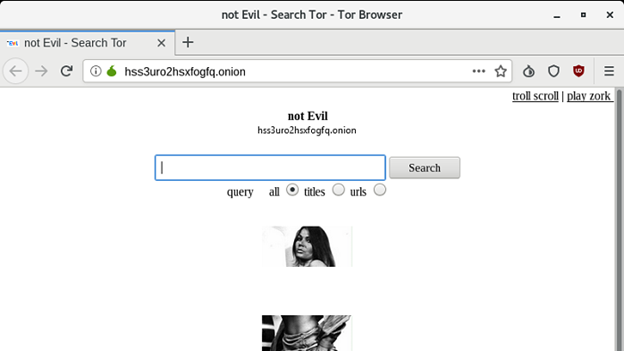
Since you cannot rely on Google, you need to know where to look for verified directories and search tools. The quality of the tools varies - using established ones is vital for finding active content. One popular option is Not Evil, which focuses on providing a clutter free search experience without tracking your queries. If you are looking for a more robust tool, the Excavator search engine is known for its deep indexing of onion services. For those who prefer a curated approach, a broad list of onion links serves as a helpful starting point to see what is currently reachable.
Staying safe while browsing hidden services
Browsing outside the reach of Google requires a higher level of personal caution. Because there is no central authority or "Safe Browsing" filter like you find on Chrome, you are responsible for your own security. Always ensure your Tor Browser is updated to the latest version to patch any vulnerabilities. Keep these safety rules in mind
- Never use your real name, email or photo on any onion site.
- Do not download files from unknown onion links, as they often contain tracking scripts.
- Adjust your Tor security slider to "Safer" or "Safest" to disable Javascript.
Remember that while the technology itself is neutral, the lack of indexing means you might stumble upon malicious content more easily than on the surface web. Always verify a link through multiple directories before clicking if you are unsure of its purpose.
FAQ
Is it illegal to search for onion websites?
No, accessing the Tor network and searching for onion websites is legal in most countries. The activities you engage in once you are there must still follow your local laws.
Can I use Chrome to open a .onion link?
Standard versions of Google Chrome cannot open .onion links. You must use the Tor Browser or a specialized proxy service, though proxies are generally less secure than the official browser.
Why are onion URLs so long and random?
Onion addresses are actually cryptographic public keys - This ensures that when you connect to a site, you are reaching the exact destination intended without a middleman intercepting the connection.




Share this page with your family and friends.