The shape and structure of the ears contribute to overall facial appearance and harmony. Some individuals naturally have uneven ear contours, prominent cartilage, unusually shaped folds, or differences between both ears. Others may develop irregularities because of injuries, ageing, or stretched earlobes. These concerns can influence personal confidence and make individuals consider cosmetic correction. Modern surgical techniques offer different approaches to improve ear structure while preserving natural proportions. Choosing Ear cosmetic surgery in Riyadh (جراحة تجميل الأذن في الرياض) allows individuals to explore suitable procedures designed to address specific shape irregularities and create a more balanced appearance. Understanding the causes of these concerns and available treatment options is an important step toward making an informed decision.
Not every ear irregularity requires surgical correction, but noticeable differences may affect how individuals feel about their appearance. Some people want to improve prominent ears, while others are concerned about asymmetrical cartilage folds, uneven earlobes, or unusual ear contours. Ear cosmetic surgery in Riyadh provides an opportunity to discuss these concerns with qualified professionals who can evaluate individual ear anatomy and recommend appropriate treatment options. The objective is to improve selected structural features without creating an artificial appearance.
Common Ear Shape Irregularities That Can Be Corrected
Ear irregularities can involve different areas of the outer ear. Identifying the specific concern helps determine which surgical technique may be appropriate.
Prominent or Protruding Ears
Prominent ears extend farther from the head than some individuals prefer. This appearance may result from cartilage development or underdeveloped natural folds. Otoplasty can reposition the ears closer to the head by adjusting their cartilage structure. The procedure aims to create a more balanced appearance from the front and side.
Uneven Ear Shapes
Some individuals have noticeable differences in the size, position, or contours of their ears. Although minor asymmetry is natural, more visible differences may affect personal aesthetic preferences. Surgical correction can improve selected irregularities by reshaping or repositioning specific areas according to individual anatomy.
Irregular Cartilage Folds
The cartilage creates the natural curves and folds of the outer ear. When these structures are underdeveloped or irregular, the ear may have an unusual appearance. Cartilage reshaping techniques can improve selected contours while maintaining the natural structure of the ear.
Stretched or Split Earlobes
Earlobes may become stretched or split due to heavy earrings, accidental injuries, or prolonged pressure. These changes can affect the appearance of the lower ear. Earlobe repair procedures help restore the affected tissue and create a more proportionate contour.
How Ear Cosmetic Surgery Corrects Structural Irregularities
Cosmetic ear surgery focuses on improving specific structural features rather than changing the entire ear unnecessarily. The surgeon evaluates cartilage flexibility, ear positioning, skin condition, and the extent of the irregularity before recommending a technique. This assessment helps determine whether reshaping, repositioning, or tissue repair is appropriate.
Otoplasty for Ear Reshaping
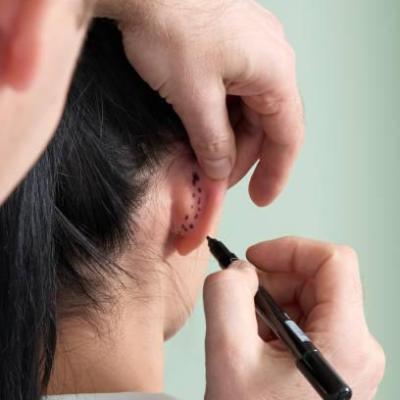
Otoplasty is commonly performed to correct prominent ears and improve their overall contours. The procedure involves reshaping or repositioning cartilage using suitable surgical techniques. Sutures may be used to create natural folds or maintain the desired ear position. Incisions are generally placed behind the ear to make resulting scars less noticeable.
Cartilage Adjustment for Better Definition
Cartilage adjustment can address certain irregularities in the outer ear. Depending on the patient's anatomy, the surgeon may modify selected areas to improve their shape and definition. The goal is to create a more balanced appearance while preserving natural cartilage structure.
Earlobe Repair for Restoring Natural Shape
Earlobe repair focuses on correcting stretched, split, or damaged tissue. The surgeon may remove damaged portions and carefully close the area to restore a smoother contour. The treatment is planned according to the extent of the tissue damage and the desired appearance.
Benefits of Correcting Unwanted Ear Irregularities
Improving ear shape can contribute to better facial harmony and greater satisfaction with personal appearance. Correcting prominent ears may create a more balanced side profile, while addressing uneven contours can improve the visual relationship between both ears. Earlobe repair can also restore a neater and more proportionate appearance.
Another important benefit is the availability of different techniques for specific concerns. Patients do not necessarily require the same procedure because treatment depends on their ear anatomy and aesthetic goals. Personalized planning helps focus on the areas that need improvement while avoiding unnecessary alterations.
Who Is a Suitable Candidate for Ear Cosmetic Surgery?
Adults who feel uncomfortable with prominent ears, irregular cartilage, or stretched earlobes may consider a professional consultation. Children with prominent ears may also be candidates once their ears have developed sufficiently, commonly around five to six years of age. However, suitability depends on physical development, general health, and medical evaluation.
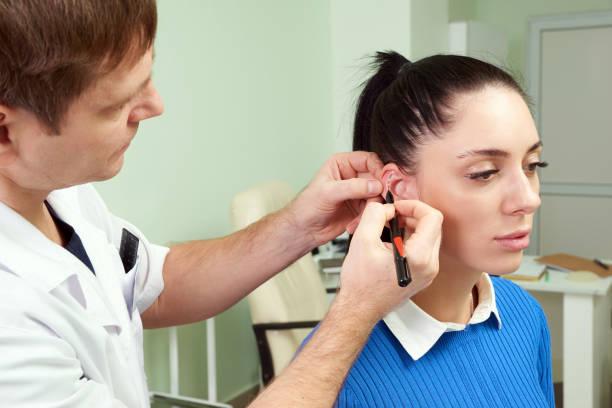
During consultation, the surgeon examines the ear structure, reviews medical history, and discusses the patient's expectations. Previous injuries, existing health conditions, and earlier ear procedures may influence treatment recommendations. Patients should understand that cosmetic surgery can improve specific irregularities but cannot guarantee perfectly identical ears.
What to Expect During Recovery
Recovery depends on the selected surgical technique and individual healing response. Temporary swelling, bruising, tenderness, and discomfort may occur after treatment. These effects generally improve gradually as the ears heal. A protective dressing or headband may be recommended to support the treated area.
Patients should follow their surgeon's aftercare instructions, avoid unnecessary pressure on the ears, and attend scheduled follow-up appointments. Strenuous activities should be avoided until the medical professional confirms that it is safe to resume them. Proper aftercare supports healing and helps maintain the surgical results.
Choosing the Right Specialist for Ear Correction
Selecting a qualified and experienced surgeon is important when considering correction of ear shape irregularities. Patients should discuss the recommended procedure, expected improvements, potential complications, and recovery requirements. A professional assessment helps ensure that the treatment plan considers individual cartilage structure, facial proportions, and aesthetic expectations. This approach supports natural-looking improvements while reducing the risk of excessive correction.
Book Your Consultation at Royal Clinic Saudi
If unwanted ear shape irregularities affect your confidence, a professional consultation can help you explore suitable correction options. Royal Clinic Saudi (العيادة الملكية السعودية) provides an opportunity to discuss your concerns, understand available surgical techniques, and receive an individualized assessment. Schedule an appointment to learn more about improving ear contours and achieving a balanced appearance.
Frequently Asked Questions
1. Can ear cosmetic surgery correct uneven ear shapes?
Yes, suitable surgical techniques can improve selected shape irregularities.
2. Can otoplasty correct prominent ears?
Yes, it can reposition the ears closer to the head.
3. Can stretched earlobes be repaired?
Yes, earlobe repair can restore a more natural shape.
4. Are ear reshaping results long-lasting?
Yes, results are generally long-lasting.


Share this page with your family and friends.