Introduction
Budapest is one of the most fascinating European destinations for travellers who enjoy history, architecture, art, and cultural experiences. Known as the Pearl of the Danube, Hungary's capital offers a remarkable combination of historic landmarks, impressive museums, traditional neighbourhoods, and architectural masterpieces. For visitors travelling from Athens, Greece, Budapest provides an opportunity to discover a different European culture while exploring centuries of history. Planning ahead and choosing the right Budapest attraction tickets can make sightseeing easier, particularly for first-time visitors who want to experience the city's most famous landmarks without wasting valuable holiday time.
Budapest has something for every type of cultural traveller. From the magnificent Hungarian Parliament Building to the historic Buda Castle District, the city tells stories of royal families, political transformations, artistic movements, and everyday life throughout different historical periods. Visitors can explore centuries-old churches, walk through traditional streets, admire impressive bridges, and discover museums that preserve Hungary's national heritage.
Whether you are planning a short city break or a longer European holiday from Athens, understanding Budapest's major attractions and ticket options will help you create a rewarding travel experience.
Discover the Historical Beauty of Budapest
Budapest has a fascinating history shaped by different civilisations, political developments, and cultural influences. The modern city was established in 1873 through the unification of three historic settlements: Buda, Pest, and Óbuda. Each area contributes something unique to the city's identity.
Buda is particularly famous for its hills, historic buildings, medieval streets, and royal heritage. Pest offers grand boulevards, cultural institutions, shopping districts, and impressive nineteenth-century architecture. Óbuda preserves traces of ancient Roman settlements and traditional Hungarian history.
The Danube River separates Buda and Pest while connecting some of the city's most recognisable landmarks. Walking along its banks allows visitors to appreciate Budapest's architectural beauty and understand how the river influenced the city's development.
For history lovers, exploring these different neighbourhoods provides a deeper understanding of Hungary's past. A well-planned sightseeing itinerary can include historical attractions, museums, religious buildings, and cultural experiences within a few days.
Explore the Magnificent Hungarian Parliament Building
The Hungarian Parliament Building is among Budapest's most recognisable landmarks and an essential stop for architecture and history enthusiasts. Located beside the Danube River, this impressive Gothic Revival structure represents Hungary's national identity and political heritage.
Designed by architect Imre Steindl, construction began in 1885, and the building was inaugurated in 1896 to mark the thousandth anniversary of the Hungarian state. Its enormous central dome, decorative towers, pointed arches, and detailed stonework create an extraordinary architectural appearance.
Visitors can admire the exterior from Kossuth Lajos Square or enjoy panoramic views from the opposite riverbank. Guided tours provide an opportunity to explore selected interior areas, including impressive staircases, decorated halls, and the Dome Hall, where Hungary's Holy Crown is displayed under official arrangements.
The building remains an active centre of national government, so visitor access may depend on parliamentary activities. Booking an official guided visit in advance is recommended, especially during busy travel periods.
Experience the Royal History of Buda Castle
Buda Castle is another major attraction for visitors interested in Hungarian history. Situated on Castle Hill, this historic complex overlooks the Danube River and offers beautiful views of the surrounding city.
The castle has served as a royal residence for centuries and experienced several periods of destruction, rebuilding, and architectural transformation. Its history reflects important events involving Hungarian monarchs, Ottoman occupation, and later political developments.
Today, the castle district is an important cultural destination containing museums, historic streets, courtyards, and architectural landmarks. Visitors can explore the area at their own pace while enjoying its traditional atmosphere.
The Hungarian National Gallery, located within the castle complex, displays an extensive collection of Hungarian artworks. Its exhibitions introduce visitors to different artistic periods and provide insight into the country's cultural development.
The nearby Budapest History Museum also offers information about the city's evolution through archaeological discoveries, historical objects, and exhibitions.
Travellers from Athens who appreciate European royal history will find Buda Castle particularly interesting because it provides a connection between Hungary's political past and its artistic traditions.
Visit Matthias Church and Fisherman's Bastion
Matthias Church is one of the most beautiful religious landmarks in Budapest. Located in the Buda Castle District, this historic church is recognised for its colourful roof tiles, Gothic architectural details, and richly decorated interior.
The building has undergone several transformations throughout its history. It has served as an important religious site and hosted significant royal ceremonies, including coronation events. Its distinctive architectural appearance makes it a favourite destination for visitors interested in European religious heritage.
Just outside the church stands Fisherman's Bastion, a remarkable architectural structure overlooking the Danube River. Its white stone towers, decorative staircases, and open terraces create an atmosphere that feels almost like a historical fairytale.
The attraction provides some of the best panoramic views of Pest, including the Hungarian Parliament Building. Visitors can enjoy the scenery, photograph the surrounding landmarks, and learn about the area's historical importance.
Some sections of Fisherman's Bastion may require a separate admission ticket, while other areas are accessible without charge. Checking current visitor arrangements before arriving can help travellers plan their experience.
Discover Hungarian Culture at the Hungarian National Museum
The Hungarian National Museum is an excellent destination for visitors who want to understand the country's cultural and political development. Founded in 1802, it preserves important historical collections that document Hungary's journey from ancient times to the modern era.
The museum features archaeological discoveries, historical documents, traditional objects, and exhibitions connected with major national events. Its collections help visitors understand the development of Hungarian society, political institutions, and cultural traditions.
The building itself is also architecturally significant. Its impressive neoclassical design, grand staircase, and elegant exterior make it an interesting destination even for travellers who appreciate architecture as much as museum collections.
Visitors can spend several hours exploring the exhibitions and learning about the people and events that shaped Hungary. It is particularly valuable for travellers who prefer meaningful cultural experiences rather than simply visiting popular photographic locations.
For visitors planning a European holiday from Athens, the museum offers an opportunity to compare Hungary's historical experiences with those of Greece and other European nations.
Explore St. Stephen's Basilica
St. Stephen's Basilica is one of Budapest's most important religious and architectural landmarks. Dedicated to Hungary's first king, Stephen I, the basilica represents the country's Christian heritage and national history.
Construction began in 1851 and continued for several decades before the building was completed in 1905. Its impressive neoclassical architecture includes a large central dome, detailed decorations, elegant columns, and beautifully designed interior spaces.
Inside, visitors can admire religious artwork, ornamental features, sculptures, and impressive architectural details. The basilica also houses the Holy Right Hand, a significant religious relic associated with Saint Stephen.
One of its most attractive features is the panoramic observation area. Visitors can access the upper section and enjoy impressive views across Budapest's rooftops, historic buildings, and surrounding neighbourhoods.
Admission arrangements can differ depending on whether visitors want to explore the church interior, observation area, or additional visitor spaces. Checking ticket options before visiting helps avoid confusion.
Learn About Hungary's Past at Heroes' Square
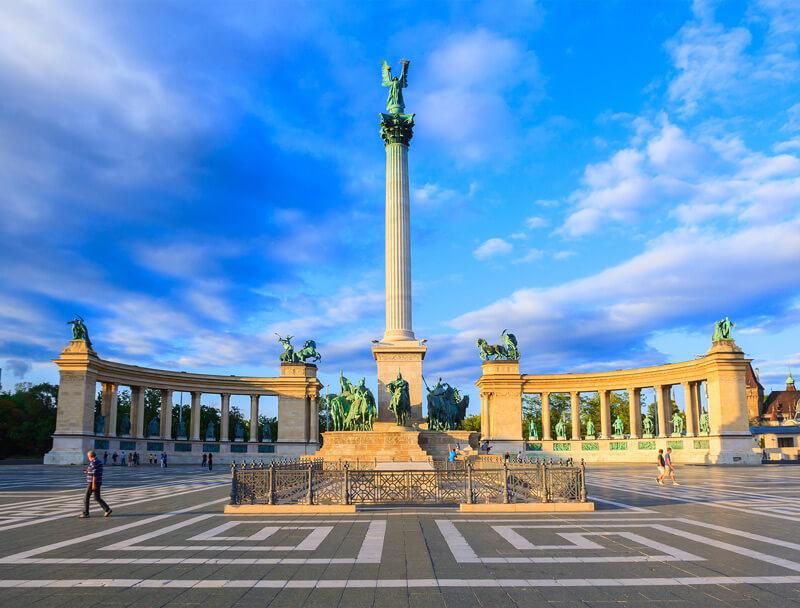
Heroes' Square is one of Budapest's most important public spaces and a major destination for travellers interested in Hungarian national history. Located at the end of Andrássy Avenue, the square features an impressive monument dedicated to important figures from Hungary's past.
The central Millennium Monument commemorates the country's thousand-year history. Its tall column is surrounded by statues representing historical leaders and significant national figures.
The square is also surrounded by important cultural institutions, including the Museum of Fine Arts and the Hall of Art. These buildings contribute to the area's cultural importance and make it a rewarding destination for visitors interested in visual arts and historical exhibitions.
Heroes' Square is particularly attractive for photography because of its grand scale and symmetrical architectural arrangement. Visitors can also explore nearby City Park, which contains green spaces, walking paths, and additional attractions.
The location offers an excellent opportunity to combine outdoor sightseeing with cultural exploration during a Budapest city break.
Experience Budapest's Museums and Art Galleries
Budapest has a diverse museum scene that allows visitors to explore different aspects of Hungarian culture. From fine arts and historical collections to contemporary exhibitions, the city offers experiences for travellers with different interests.
The Museum of Fine Arts is an important destination for art enthusiasts. Its collection includes European paintings, sculptures, drawings, and works from different artistic periods. Visitors can discover internationally recognised artists while appreciating the museum's impressive architecture.
The Hungarian National Gallery focuses particularly on Hungarian art and provides a deeper understanding of the country's artistic development. Its collections include medieval works, Renaissance paintings, nineteenth-century masterpieces, and modern exhibitions.
The House of Terror Museum offers a different experience by examining Hungary's twentieth-century political history. Its exhibitions explore the periods of Nazi and communist rule and the impact of political oppression on Hungarian society.
Visitors should consider their interests and available time when choosing museums. Some attractions require separate admission, while special exhibitions may have additional ticket arrangements.
Enjoy a Danube River Cruise
A Danube River cruise offers a different way to appreciate Budapest's historical architecture and cultural landscape. The river flows through the heart of the city, providing impressive views of several important landmarks.
During a sightseeing cruise, visitors can admire the Hungarian Parliament Building, Buda Castle, Chain Bridge, and other architectural attractions from the water. The experience helps travellers understand the relationship between the river and Budapest's historical development.
Daytime cruises are ideal for observing architectural details and enjoying the surrounding scenery. Evening cruises provide a more romantic atmosphere as historic buildings and bridges become illuminated after sunset.
Some cruise experiences include audio commentary or additional refreshments, depending on the selected package. Travellers should compare departure times, duration, and included services before booking.
For visitors from Athens, a river cruise is a relaxing way to explore Budapest between museum visits and walking tours. It also provides excellent photography opportunities without requiring extensive walking.
Understand Budapest Attraction Tickets and Booking Options
Choosing suitable admission options is an important part of planning a successful Budapest holiday. Different attractions operate separate ticket systems, and admission requirements can vary depending on the type of experience.
For example, visiting the Hungarian Parliament Building through an official interior tour requires a designated ticket. Museums generally have their own admission arrangements, while certain historic outdoor spaces can be explored without purchasing a ticket.
Some attractions offer discounted admission for eligible visitors, including children, students, or specific age groups. However, eligibility conditions and identification requirements should always be checked before booking.
Travellers may also consider sightseeing passes that combine admission to selected attractions or provide additional transport benefits. These options can be useful for visitors planning to explore several paid attractions within a limited period.
Before purchasing any package, compare the included attractions, validity period, reservation requirements, and potential restrictions. Not every pass includes every major landmark, and some popular experiences may require separate reservations.
Advance booking is particularly helpful during summer, public holidays, and major cultural events. Planning ahead can make your Budapest sightseeing experience more organised and enjoyable.
Best Time to Explore Budapest's Historical Attractions
Budapest is a year-round destination, but seasonal conditions can influence how visitors experience its cultural landmarks.
Spring is an excellent time for sightseeing because temperatures are generally comfortable, gardens become greener, and outdoor attractions are pleasant to explore. April and May are particularly suitable for walking tours and visiting historical neighbourhoods.
Summer attracts large numbers of international visitors. Longer daylight hours make it easier to explore museums, churches, and riverside attractions. However, popular locations may become crowded, so advance ticket reservations are recommended.
Autumn offers pleasant sightseeing conditions and beautiful seasonal scenery. September and October are attractive months for travellers who prefer exploring cultural destinations in a slightly quieter atmosphere.
Winter provides a different experience, with festive decorations, seasonal markets, and beautifully illuminated architecture. Although temperatures can be cold, indoor museums and historic buildings offer plenty of opportunities for cultural exploration.
Regardless of the season, checking attraction opening hours and ticket availability before departure is essential.
Planning a Budapest Cultural Holiday from Athens, Greece
Travelling from Athens to Budapest is an excellent way to experience another side of European history and culture. Both cities have remarkable historical identities, but their architecture, traditions, and cultural attractions offer different perspectives on European heritage.
Before travelling, visitors should review available flight connections, accommodation options, local transport arrangements, and entry requirements. Greece and Hungary are both part of the Schengen Area, but travellers should still ensure their travel documents meet current requirements.
Once in Budapest, public transportation makes reaching major attractions relatively easy. Metro services, trams, buses, and walking routes connect many of the city's most popular sightseeing destinations.
It is also worth exploring Hungarian food and traditional restaurants during your stay. Local dishes such as goulash, chicken paprikash, and traditional pastries provide another way to experience the country's cultural identity.
Allowing enough time for museums, historical neighbourhoods, and guided experiences will help you appreciate Budapest beyond its most famous landmarks.
Conclusion
Budapest is an outstanding destination for travellers who appreciate European history, cultural heritage, and remarkable architecture. From exploring Buda Castle and Matthias Church to visiting the Hungarian National Museum and admiring the Parliament Building, the city offers countless opportunities to discover Hungary's fascinating past. Its museums, religious landmarks, historic squares, and Danube River cruises create a diverse sightseeing experience for visitors of all ages.
For travellers coming from Athens, Greece, planning attraction visits in advance can make a Budapest holiday more convenient and enjoyable. Comparing admission options, checking guided tour schedules, and choosing experiences that match your interests will help you make the most of your journey. With useful sightseeing guidance and travel inspiration from About Town, discovering Budapest's historical and cultural attractions can become an unforgettable European travel experience.
Frequently Asked Questions
What are the most popular historical attractions in Budapest?
Some of the most popular attractions include Buda Castle, the Hungarian Parliament Building, Matthias Church, Fisherman's Bastion, Heroes' Square, and St. Stephen's Basilica. Each offers a different perspective on Hungarian history and architecture.
Should I book Budapest attraction tickets in advance?
Yes, advance booking is recommended for popular attractions, especially Parliament tours, museums, and river cruises. It helps secure preferred visiting times and reduces waiting.
Are there free attractions in Budapest?
Yes, visitors can explore several public spaces and landmarks without admission fees, including Heroes' Square, Kossuth Lajos Square, and many sections of the Danube riverfront.
How many days are enough to explore Budapest?
Three to four days are generally suitable for visiting major historical landmarks, museums, churches, and cultural attractions without rushing through the experience.
What is the best season for cultural sightseeing in Budapest?
Spring and autumn are excellent seasons because temperatures are generally comfortable for walking tours and outdoor exploration. Summer is also popular but tends to attract larger crowds.




Share this page with your family and friends.