For many women, the journey towards motherhood begins with understanding their reproductive health. One important factor that influences fertility is egg quality. Whether you are trying to conceive naturally or preparing for IVF treatment, understanding how to support healthy eggs can help you make informed decisions about your fertility journey.
Improving egg quality involves understanding your hormones, maintaining a healthy lifestyle, following a balanced diet, and seeking professional fertility guidance when needed. While some factors, particularly age, cannot be reversed, certain lifestyle and medical approaches can support overall reproductive health.
At Almond Blossoms Fertility & Wellbeing Centre, we believe every woman's fertility journey is unique and deserves personalised, compassionate care.
What Is Egg Quality and Why Does It Matter?
Egg quality refers to the health and developmental potential of an egg, including whether it has the appropriate chromosomes to support normal fertilisation and embryo development.
Healthy eggs have a better chance of fertilising successfully and developing into embryos capable of supporting a pregnancy. Egg quality is particularly important during IVF because it can influence fertilisation, embryo development, and treatment outcomes.
Age is one of the most significant factors affecting egg quality. As women grow older, the number of eggs decreases, and the likelihood of chromosomal abnormalities increases. However, reproductive health is also influenced by hormonal balance, general health, and lifestyle factors.
8 Effective Ways of Improving Egg Quality
1. Follow a Balanced and Nutrient-Rich Diet
Nutrition plays an important role in supporting reproductive health. A balanced diet provides essential nutrients that help maintain normal cellular function and hormonal health.
Consider including:
-
Leafy green vegetables such as spinach and broccoli.
-
Fresh fruits, particularly berries and citrus fruits.
-
Nuts and seeds rich in healthy fats.
-
Whole grains and fibre-rich foods.
-
Healthy protein sources such as fish, eggs, and legumes.
-
Foods containing omega-3 fatty acids.
Antioxidant-rich foods can help protect cells against oxidative stress. Rather than following restrictive diets, focus on a sustainable and varied eating pattern.
2. Maintain a Healthy Weight
Body weight and metabolic health can influence reproductive hormones and ovulation.
Being significantly underweight or overweight may affect menstrual regularity, insulin sensitivity, and hormonal balance. For women with conditions such as polycystic ovary syndrome (PCOS), improving metabolic health may help support more regular ovulation.
A personalised nutrition plan and appropriate physical activity can help maintain a healthy weight without extreme dieting.
3. Manage Stress Effectively
Fertility challenges can be emotionally demanding. Persistent stress may affect sleep, wellbeing, and daily habits, making it important to prioritise emotional health.
Consider incorporating relaxing activities into your routine, such as:
-
Meditation and mindfulness.
-
Gentle yoga.
-
Deep breathing exercises.
-
Walking outdoors.
-
Counselling or psychological support.
At Almond Blossoms, we recognise that emotional wellbeing is an important part of fertility care. Supporting your mental health can make the fertility journey more manageable.
4. Prioritise Quality Sleep
Sleep supports several important processes in the body, including hormonal regulation and metabolic health.
Aim for approximately seven to nine hours of quality sleep each night. Maintaining consistent sleeping hours, reducing screen time before bedtime, and creating a comfortable sleeping environment can help improve sleep quality.
Good sleep habits support overall health, which is an important part of reproductive wellness.
5. Exercise Regularly
Moderate physical activity supports cardiovascular health, metabolic function, and hormone regulation.
Activities such as walking, swimming, cycling, and gentle strength training can be beneficial.
Aim for around 150 minutes of moderate physical activity each week, adjusted to your health and fitness level. Avoid excessive exercise or extreme training routines, particularly if they interfere with your menstrual cycle.
6. Avoid Smoking and Limit Alcohol
Smoking can negatively affect reproductive health and is associated with reduced fertility and earlier ovarian ageing.
Limiting alcohol and avoiding tobacco are important steps when planning pregnancy. Reducing exposure to harmful substances can support your overall reproductive health.
If you are preparing for IVF, discuss lifestyle recommendations with your fertility specialist before beginning treatment.
7. Discuss Fertility Supplements With Your Specialist
Certain nutrients are important for reproductive health, but supplements should be selected according to individual needs.
A fertility specialist may discuss supplements such as:
-
Coenzyme Q10 (CoQ10), which is involved in cellular energy production.
-
Vitamin D, particularly when a deficiency is identified.
-
Omega-3 fatty acids, which support general health.
-
Folic acid, recommended when planning pregnancy.
-
Myo-inositol, which may be considered for certain women with PCOS.
Although some supplements are being studied for their potential effects on egg health, evidence remains limited, and none is guaranteed to improve egg quality.
Always consult a qualified healthcare professional before starting supplements, particularly if you are undergoing fertility treatment.
8. Seek Professional Fertility Assessment
Understanding your reproductive health is an important step towards making informed fertility decisions.
A fertility specialist may recommend investigations based on your medical history and fertility goals. These may include:
-
AMH blood testing to help assess ovarian reserve.
-
FSH and other hormone evaluations.
-
Thyroid function testing when appropriate.
-
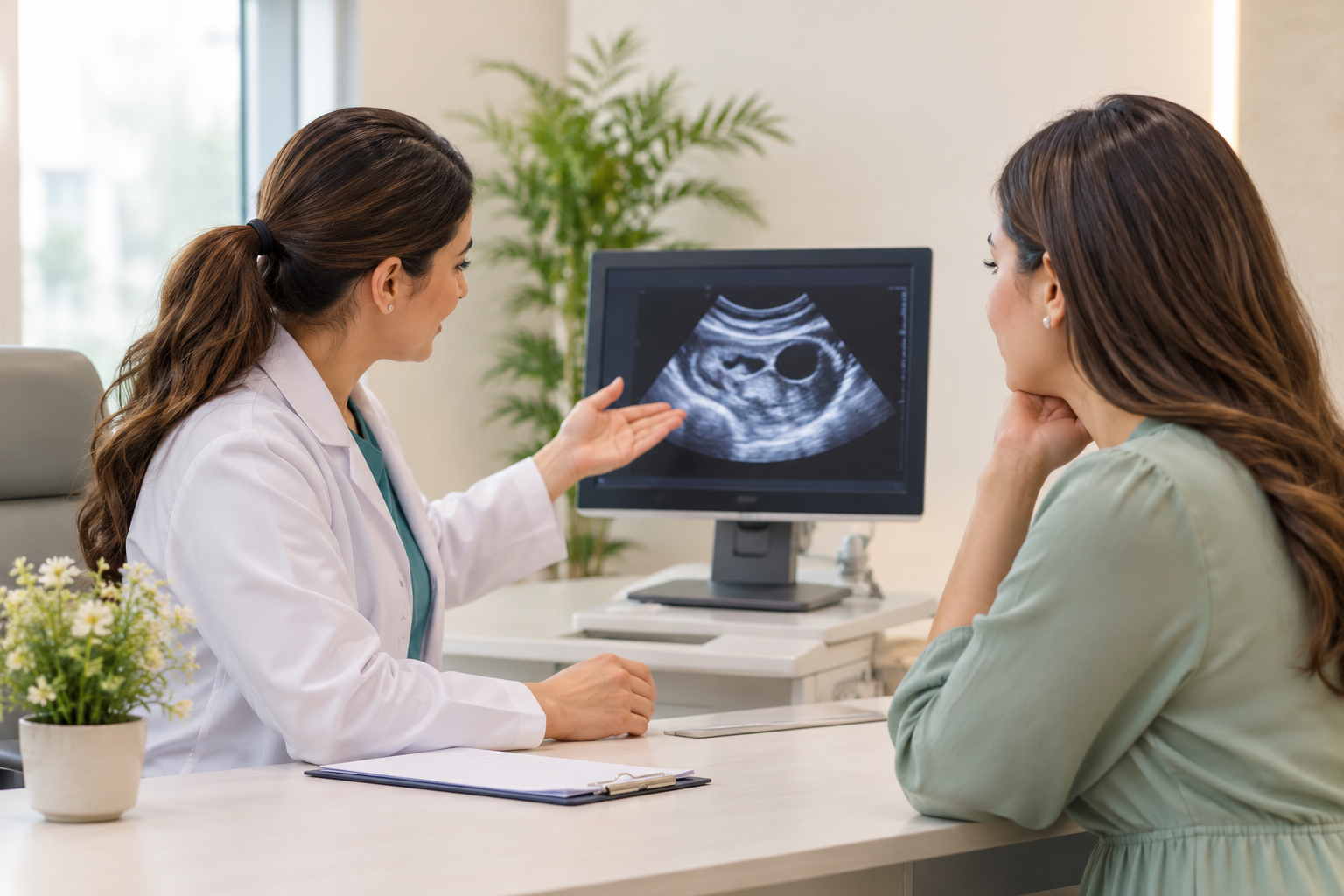
Antral follicle count through ultrasound.
-
Assessment of ovulation and menstrual cycles.
It is important to understand that ovarian reserve tests estimate egg quantity rather than directly measuring egg quality. Your age and complete medical history also play an important role in interpreting results.
Can Egg Quality Improve Naturally?
This is one of the most common questions women ask when planning pregnancy.
Healthy lifestyle habits, balanced nutrition, adequate sleep, and managing underlying health conditions can support reproductive health. However, no particular food, supplement, or exercise routine can guarantee improved egg quality or reverse age-related changes.
The most effective approach is to identify individual fertility concerns and develop a personalised plan with a qualified specialist.
When Should You Consult a Fertility Specialist?
Consider seeking professional advice if you:
-
Are over 35 and have been trying to conceive for six months.
-
Are under 35 and have been trying for 12 months without success.
-
Have irregular or absent menstrual cycles.
-
Have been diagnosed with PCOS or endometriosis.
-
Have experienced repeated miscarriages.
-
Have undergone unsuccessful IVF cycles.
-
Want to understand your ovarian reserve or explore egg freezing.
Women over 40 or those with known fertility concerns may benefit from seeking advice sooner.
How Almond Blossoms Supports Your Fertility Journey
At Almond Blossoms Fertility & Wellbeing Centre in Dubai, we understand that fertility concerns require more than a one-size-fits-all approach.
Our fertility specialists provide personalised assessments and treatment planning to support women and couples at different stages of their reproductive journey.
Our fertility services include hormonal evaluation, IVF and ICSI, ovulation induction, egg freezing, and personalised support for improving egg quality.
We also recognise the importance of emotional wellbeing. Our integrated approach brings together fertility expertise and psychological support, helping patients feel informed, supported, and confident throughout their journey.
Final Thoughts
Improving egg quality starts with understanding your body and taking informed steps towards better reproductive health. A balanced diet, healthy lifestyle, appropriate medical guidance, and emotional wellbeing can all contribute to supporting your fertility.
Although age-related changes cannot be reversed, early assessment and personalised fertility care can help you understand your options and plan your next steps.
At Almond Blossoms Fertility & Wellbeing Centre, we are here to support you with compassionate care and evidence-based fertility guidance.
Take the first step towards your fertility journey. Book a consultation with our specialists at Almond Blossoms and explore the right approach for your reproductive health.




Share this page with your family and friends.