A good cup does more than hold a drink. It can make a customer remember a business, recognize its brand, and enjoy a better takeaway experience. Cafes, restaurants, offices, and event organizers use branded packaging to create a consistent look. Even a small detail, such as the color or design of a cup, can make a difference in how customers see a business.Custom paper cups offer a practical way to combine everyday drink service with simple branding. They can be designed for hot coffee, cold beverages, and other drinks served throughout the day. Businesses can choose different sizes, colors, and printing styles to suit their needs. However, choosing the right option requires some thought. Cost, material quality, cup size, and order quantity all matter. Understanding these details helps businesses make a sensible choice without spending more than necessary.
Building Strong Brand Recognition
Packaging gives businesses Custom Paper Cups another way to stay in customers' minds. A well-designed cup can display a company name, brand colors, and a simple message. Customers may carry it through an office, shopping area, or college campus. Other people can notice the design, which creates additional brand exposure without requiring a separate advertisement. The effect depends on the design and how often customers see it, but a clear and consistent appearance can help people recognize a business over time. Small businesses can benefit from this approach just as much as established chains. A clean design, readable text, and suitable colors often work better than a crowded layout filled with too many details.
Choosing Suitable Materials
The material used for a cup affects its strength, insulation, and suitability for different drinks. Many disposable paper cups use paperboard with a thin barrier coating to help prevent leaks. Some are designed for hot beverages, while others are better suited to cold drinks. Businesses should check the manufacturer's specifications before placing an order. It is also worth asking whether the cups meet relevant food-contact requirements. Customers increasingly pay attention to packaging waste, so material choices deserve careful consideration. Paper does not automatically mean a cup is compostable or recyclable. The coating, local waste facilities, and disposal instructions all influence what happens after use. Clear information helps businesses choose responsibly.
Selecting Appropriate Sizes
The right cup size depends on the drinks a business serves and the portions customers expect. Smaller cups may suit espresso, tasting samples, or short servings, while medium and large options are common for regular coffee and other beverages. A cafe should compare cup capacity with its menu before ordering. This helps prevent problems with portion control and reduces the need to stock unnecessary sizes. Businesses offering custom paper cups for coffee should also consider the amount of milk, foam, or other ingredients added to each drink. A cup needs enough room for comfortable handling without making the serving look too small. Testing sample cups with actual menu items is a simple way to make a better decision.
Designing Memorable Prints
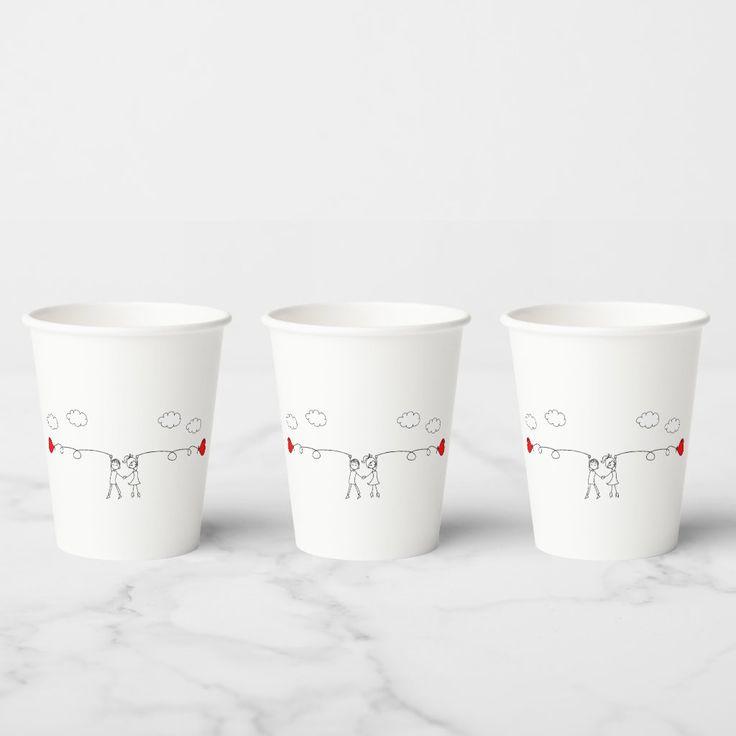
A cup's design should reflect the business without making the packaging difficult to read. A logo, short slogan, and two or three brand colors may be enough to create a recognizable appearance. Before approving a design, businesses should check how it looks on the curved surface of a cup. Fine details can become difficult to see, and some colors may appear different on printed paper than they do on a computer screen. Ordering a physical sample can help identify these issues early. Companies planning to use custom paper cups with logo printing should provide a clear, high-resolution logo file and confirm the artwork dimensions. Proper preparation reduces printing errors and helps the finished cups look consistent.
Understanding Production Methods
Cup production involves several steps, including printing, cutting, forming, and quality checks. The exact process depends on the equipment, cup design, and order requirements. Businesses do not need to operate a factory to understand these details, but knowing the basics can make supplier discussions easier. A custom paper cup machine may handle particular stages of manufacturing, such as shaping printed paperboard into finished cups. Different machines support different sizes, speeds, and production volumes. This matters mainly to manufacturers or companies considering in-house production. For most cafes and restaurants, buying finished cups from an experienced supplier is more practical. It avoids equipment costs, maintenance responsibilities, staff training, and the need to manage production materials.
Comparing Order Quantities
Order quantity has a direct custom cookie bags effect on the cost of branded packaging. Larger orders may reduce the price per cup, but they also require more storage space and upfront spending. Smaller orders allow businesses to test a design before committing to a large quantity. Companies comparing custom paper cups wholesale offers should look beyond the advertised unit price. Printing charges, shipping, packaging, setup fees, and delivery times can change the total cost. It is also helpful to estimate how many cups the business uses each week. This figure provides a realistic basis for ordering. A good purchase balances the savings from bulk buying with the risk of storing cups that may become outdated or remain unused.
Adding Practical Lids
Lids make takeaway drinks easier to carry and can reduce spills when customers travel with their beverages. However, not every lid fits every cup, so compatibility should be confirmed before purchasing. Businesses selling hot drinks should select lids intended for the relevant temperature and serving conditions. Customers may also appreciate drinking openings that are comfortable to use. Suppliers offering custom paper cups with lids can explain which combinations work with their products. Some businesses need separate lids for hot and cold beverages, while others can use a more limited range. Testing the fit is worthwhile because a loose lid can create mess and inconvenience. A suitable combination supports a better takeaway experience and helps staff prepare orders efficiently.
Planning Reliable Supplies
Consistent supply is essential for businesses that depend on disposable cups every day. Running out during a busy period can slow service and force staff to use less suitable alternatives. Before choosing a supplier, ask about production times, minimum order quantities, delivery arrangements, and repeat-order options. Companies searching for custom paper cups with no minimum may find suppliers that accept small runs, although printing choices and prices can vary. It is also useful to confirm whether the same design can be reproduced in future orders. Businesses needing custom paper cups with lid options should check availability for both components to avoid shortages. A reliable supplier communicates clearly, provides accurate specifications, and helps customers plan orders around expected demand.
Conclusion
Choosing the right cups becomes easier when businesses focus on practical needs rather than appearance alone. Material quality, cup size, printing, lid compatibility, and order quantity all affect the final result. Taking time to compare samples and review supplier details can prevent costly mistakes. It also helps businesses create packaging that works well for customers and staff.Custom paper cups can support a recognizable brand while serving a useful everyday purpose. The best choice depends on the drinks being sold, the available budget, and the number of cups needed. Start with a clear design and a realistic estimate of demand. Then compare suppliers carefully and test a sample before placing a larger order. A thoughtful decision can make daily service smoother and give customers a consistent experience with every drink.



Share this page with your family and friends.