Modern homes are increasingly designed with convenience, energy efficiency, and smart technology in mind. Windows are an important part of this transformation because they help control natural light, airflow, and indoor comfort. Traditional windows require manual operation, but modern alternatives offer more convenient solutions. One popular option is motorised awning windows, which combine practical window design with automated technology. They allow homeowners to control ventilation more easily while maintaining a comfortable indoor environment.
What Are Motorised Awning Windows?
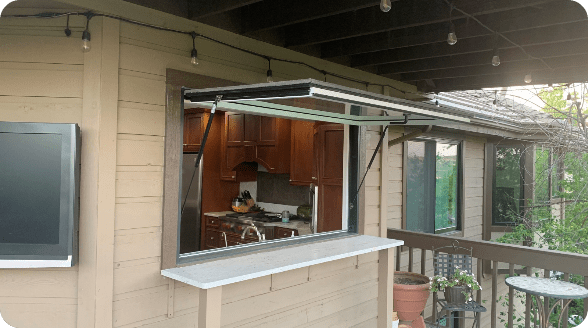
Motorised Awning Windows are windows that open and close using an electric motor instead of requiring manual operation. They usually feature a top-hinged design, allowing the bottom section of the window to move outward when opened. This creates an opening that encourages fresh air to enter while the glass panel helps provide protection from light rain.
These windows are particularly useful in modern homes where convenience and functionality are important. Homeowners can operate them using a wall switch, remote control, or compatible smart home system. Depending on the installation, multiple windows may also be connected to a single control system, making everyday ventilation easier to manage.
How Do Motorised Awning Windows Work?
The operating system behind these windows is designed to make opening and closing simple. An electric actuator is installed within the window frame or connected to its opening mechanism. When the homeowner activates the control, the motor moves the window sash outward or pulls it back into its closed position.
The motor receives electrical power and converts it into mechanical movement. Depending on the system, the actuator may use a chain, spindle, or another mechanical component to control the window. Built-in controls help manage the movement and prevent the window from operating beyond its intended range.
Main Components of the System
Several components work together to provide smooth and reliable operation.
-
Electric Motor: Provides the power required to open and close the window.
-
Actuator: Converts electrical energy into movement.
-
Window Frame: Supports the glass panel and operating mechanism.
-
Control Switch: Allows users to operate the window manually through an electrical control.
-
Remote Control: Provides convenient operation from a distance.
-
Smart Home Integration: Allows compatible systems to operate windows through automated settings.
Each component plays an important role in ensuring that the window operates safely and efficiently.
How Can Homeowners Control These Windows?
One of the biggest advantages of automated window systems is the flexibility they provide. Homeowners can choose different control methods depending on their preferences and the technology installed in their property. A simple wall-mounted switch may be sufficient for everyday use, while remote controls provide additional convenience.
Some advanced systems can connect with smart home platforms. This allows homeowners to operate their windows through a smartphone application or compatible voice assistant. Certain systems also support scheduled operation, allowing windows to open or close at specific times.
For example, a homeowner can schedule windows to open in the morning to encourage fresh airflow and close later in the day. However, available features depend on the motor, controller, and smart home compatibility.
Benefits of Motorised Awning Windows in Modern Homes
Automated windows offer several practical benefits that make them suitable for contemporary residential properties. Their design combines convenient operation with effective ventilation, making them a useful addition to different living spaces.
1. Convenient Everyday Operation
Operating high or difficult-to-reach windows can be challenging, particularly for people who prefer not to use ladders or repeatedly reach for manual handles. Motorised systems remove much of this inconvenience by allowing users to control windows with a switch or remote.
This feature is especially helpful in rooms with high ceilings, large window installations, or hard-to-access locations. Homeowners can adjust ventilation without physically reaching the window, making everyday use more comfortable.
2. Better Indoor Ventilation
Proper ventilation helps maintain a comfortable indoor environment by allowing fresh air to circulate. Awning windows open outward from the bottom, creating an opening that encourages airflow while the angled glass panel can help shield the opening from light rain.
This makes them useful in kitchens, bedrooms, bathrooms, and living areas. When positioned correctly, they can support natural ventilation and reduce the need to rely entirely on mechanical cooling systems.
3. Improved Energy Efficiency
Natural ventilation can help reduce dependence on air conditioning when outdoor temperatures and conditions are suitable. Homeowners can open their windows to introduce fresh air and close them when outdoor conditions become uncomfortable.
Some automated systems can also work with compatible environmental sensors to respond to temperature or weather conditions. However, actual energy savings depend on climate, insulation, window specifications, and how the system is operated.
4. Enhanced Safety and Accessibility
Automated operation can make windows easier to access for people who find traditional handles difficult to use. It also reduces the need to reach awkward positions when operating windows installed above normal height.
Some systems include rain sensors, wind sensors, and other safety features. These components can help protect the window by triggering an automatic response when certain environmental conditions are detected, provided the system supports those functions.
Where Can Motorised Awning Windows Be Installed?
These windows can be installed in different areas of a residential property, depending on the building design and ventilation requirements.
Common installation locations include:
-
Kitchens: Help release cooking heat, moisture, and unwanted indoor odours.
-
Bathrooms: Support ventilation and help reduce moisture buildup.
-
Bedrooms: Allow fresh air to circulate without requiring manual operation.
-
Living Rooms: Provide convenient ventilation while complementing modern interiors.
-
High-Level Windows: Make difficult-to-reach openings easier to operate.
Before installation, homeowners should consider window dimensions, electrical access, ventilation requirements, and the surrounding building structure.
What Should You Consider Before Installation?
Although automated windows offer several advantages, selecting the right system requires proper planning. The window material, motor capacity, opening size, and installation quality can all influence long-term performance.
Homeowners should consider the following factors:
-
Motor Quality: Choose a reliable motor designed for the size and weight of the window.
-
Electrical Requirements: Confirm whether the system needs standard wiring, a dedicated power supply, or battery backup.
-
Weather Protection: Check the quality of seals and weather-resistant materials.
-
Smart Compatibility: Make sure the motor supports the preferred home automation system.
-
Professional Installation: Use experienced installers to ensure correct alignment and safe electrical connections.
It is also important to understand the maintenance requirements. Regularly checking the actuator, hinges, seals, and electrical connections can help maintain smooth operation over time.
How to Maintain Motorised Awning Windows
Regular maintenance helps protect the window mechanism and extend its useful lifespan. Dust, dirt, and moisture can affect moving components if they are not cleaned periodically. Homeowners should follow the manufacturer's maintenance instructions and avoid applying unsuitable cleaning products to the motor or electrical parts.
Keep the glass and window frames clean, inspect the seals for visible damage, and check that the opening mechanism moves smoothly. If the motor makes unusual noises or the window stops responding correctly, professional inspection is recommended instead of attempting complicated electrical repairs.
Conclusion
Motorised awning windows offer a practical combination of automation, ventilation, and modern design. Their electric operating systems make everyday window control easier, particularly in areas where manual operation is inconvenient. With suitable smart home compatibility, homeowners can also enjoy additional control and automation features. Choosing the right system, ensuring professional installation, and following regular maintenance practices can help create a comfortable and functional living environment.




Share this page with your family and friends.