Packaging is often the first physical interaction customers have with a brand after placing an order. Beyond protecting products, thoughtful packaging creates recognition, builds trust, and improves the overall buying experience. Customized Tissue Papers offer businesses a simple way to strengthen that experience through attractive wrapping and consistent brand presentation.
From fashion retailers and gift shops to cosmetics companies and eCommerce stores, tissue paper serves several practical purposes. It helps wrap products, separate delicate items, and create a polished appearance inside shopping bags or shipping boxes. When customized with logos, colors, and patterns, it becomes an additional branding element that customers notice.
Why Custom Tissue Papers Matter in Modern Packaging
Tissue paper is lightweight, flexible, and easy to use across different packaging formats. Its main purpose is to wrap or cover products, but its visual value can be equally important.
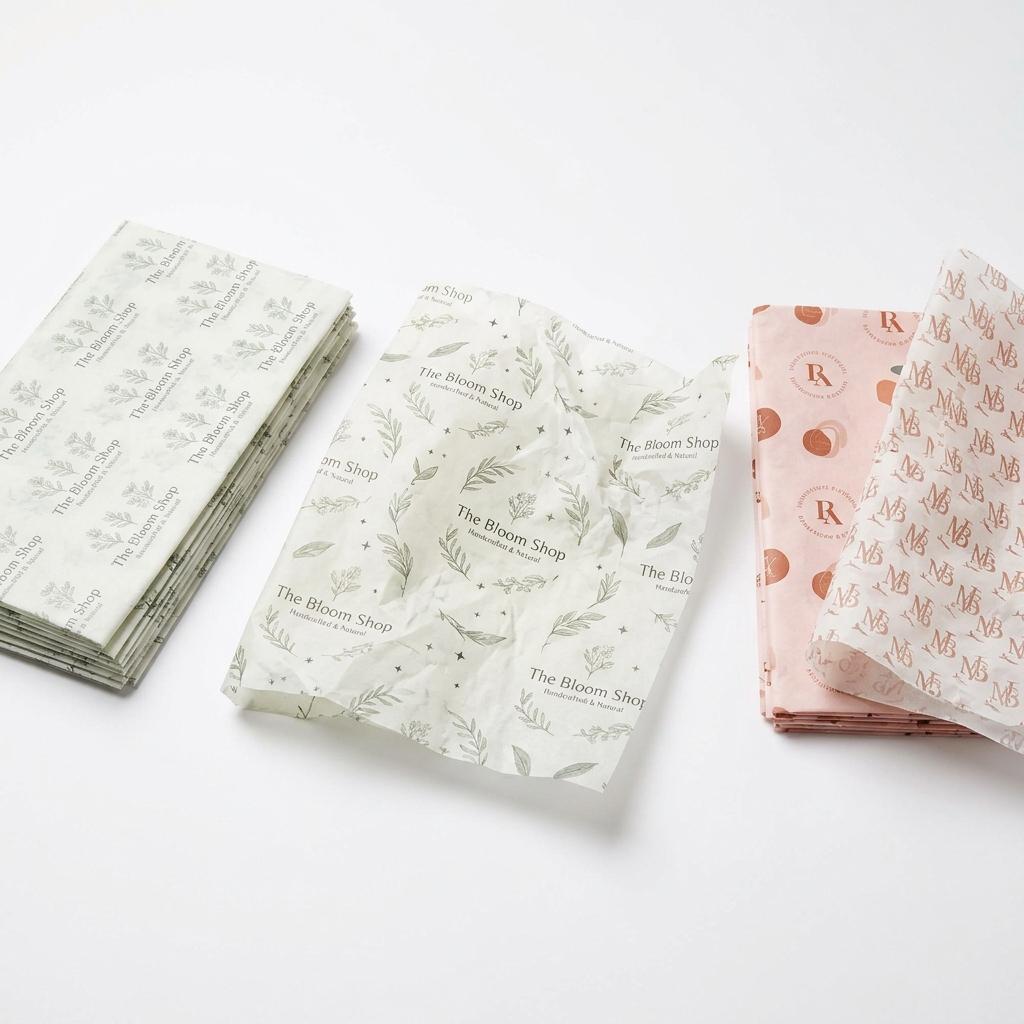
A plain sheet provides basic protection and separation. In comparison, Custom Printed Tissue Paper adds a recognizable design that supports the brand's identity throughout the customer journey.
For example, an online clothing store can wrap garments in tissue featuring its signature colors. A cosmetics retailer can use printed sheets inside product boxes to create a coordinated unboxing experience.
This small detail can help businesses achieve several outcomes:
-
Improve product presentation.
-
Create a consistent brand identity.
-
Add perceived value to everyday packaging.
-
Separate products inside boxes and bags.
-
Make customer unboxing experiences more memorable.
How Branded Tissue Paper Improves Customer Experience
Customer experience includes more than product quality and delivery speed. Packaging also influences how customers perceive a purchase, particularly when products arrive as gifts or premium retail orders.
Branded Tissue Paper creates a visual connection between the product and the business. A carefully selected color scheme or repeating logo pattern can make ordinary packaging feel more distinctive.
Creating a Memorable Unboxing Experience
For eCommerce businesses, the unboxing process provides an opportunity to reinforce brand recognition. A customer opening a delivery box may first notice the tissue wrapping before seeing the product itself.
A coordinated design can make that moment feel more organized and thoughtful. It can also encourage customers to share attractive packaging on social media, creating additional brand exposure.
Supporting Premium Product Presentation
Retailers selling fashion accessories, jewelry, cosmetics, and gifts often rely on presentation to communicate product value. Personalized Tissue Paper can complement branded boxes, shopping bags, ribbons, and product inserts.
The result is a consistent packaging style that helps distinguish one business from competing retailers.
Custom Printed Tissue Paper for Different Business Applications
Different industries use tissue paper according to their products, packaging formats, and customer expectations. Its flexibility makes it suitable for both everyday retail operations and specialized presentation.
| Business type |
Common application |
Presentation benefit |
| Fashion retailers |
Wrapping clothing and accessories |
Neat product presentation |
| Cosmetics brands |
Lining product boxes |
Coordinated packaging |
| Jewelry stores |
Wrapping small accessories |
Refined unboxing |
| Gift shops |
Decorative gift wrapping |
Attractive appearance |
| eCommerce stores |
Wrapping shipped products |
Consistent brand experience |
| Footwear retailers |
Wrapping shoes inside boxes |
Product separation |
A business can select plain colors, repeating patterns, or logo-based designs depending on its packaging strategy.
Custom Printed Papers as Part of a Consistent Brand Identity
Packaging works best when every element supports the same visual direction. Customized Printed Papers allow businesses to coordinate tissue sheets with wrapping paper, inserts, liners, and other paper-based packaging materials.
For example, a clothing retailer may use branded tissue inside shipping boxes alongside matching product cards. A gift business can combine decorative tissue with coordinated bags and Custom Printed Boxes to create a unified presentation.
This approach reduces visual inconsistency across different packaging formats. It also helps customers recognize the business through repeated design elements, even when products are purchased through different channels.
Choosing the Right Custom Tissue Paper
Selecting tissue paper requires attention to both appearance and practical performance. The right specification depends on the products being wrapped, the packaging process, and the expected customer experience.
1. Paper Weight and Thickness
Tissue paper is available in different weights and thicknesses. Lightweight options work well for decorative wrapping, while thicker sheets may provide better handling for certain products.
2. Printing Quality
Clear printing helps logos and patterns appear professional. Buyers should review sample sheets to check color consistency, alignment, and overall print quality before approving production.
3. Color and Design
Brand colors can make packaging more recognizable. Some businesses prefer minimal logos, while others choose repeating patterns or seasonal artwork.
4. Sheet Size and Format
The dimensions should match the products and packaging containers. Correct sizing helps reduce excess material and makes wrapping more efficient.
5. Product Compatibility
Tissue paper is primarily used for wrapping and presentation. Businesses should not assume it provides moisture, grease, or impact protection. Products requiring stronger protection may need additional packaging materials.
Wholesale Tissue Paper: Managing Cost and Supply
Businesses with regular packaging requirements may consider Wholesale Tissue Paper to maintain stock and manage purchasing costs. Bulk orders can reduce the unit price, particularly when designs and dimensions remain consistent.
However, purchasing decisions should account for more than the quoted price. Buyers should compare:
-
Minimum order quantities.
-
Printing and setup charges.
-
Paper weight and sheet dimensions.
-
Production and delivery timelines.
-
Sample approval procedures.
-
Storage space and expected usage.
Ordering Custom Tissue Paper in Bulk can support growing businesses, but stock levels should reflect actual demand. Excess inventory may occupy valuable storage space or become unsuitable when branding changes.
Custom Tissue Paper Canada: What Businesses Should Consider
Businesses searching for Tissue Paper Canada options often need reliable supply, consistent printing, and suitable delivery arrangements. Canadian retailers should evaluate supplier capabilities alongside product specifications and pricing.
When sourcing Custom Tissue Paper Canada, buyers should review production timelines, shipping costs, order quantities, and the availability of repeat orders. These factors become especially important for businesses operating multiple stores or fulfilling regular eCommerce orders.
A consistent design specification can also simplify future purchasing. Approved artwork, paper weight, and sheet dimensions help maintain a recognizable packaging standard across different orders.
Common Mistakes to Avoid When Ordering Printed Tissue Paper
Even attractive packaging can create unnecessary costs when specifications are unclear. Several common mistakes can affect the final result.
-
Ignoring sample approval: Printed colors may differ from expectations without a physical sample review.
-
Choosing unsuitable paper weight: Very delicate sheets may not suit every wrapping requirement.
-
Using inconsistent branding: Different colors and logo placements can weaken visual recognition.
-
Ordering incorrect dimensions: Oversized or undersized sheets can increase waste.
-
Focusing only on price: Print quality and supplier reliability also affect long-term value.
A clear design brief and sample approval process can help avoid these issues.
Conclusion
Packaging details can influence how customers recognize and remember a business. Custom Tissue Papers provide a practical way to improve product presentation while supporting consistent branding across retail and eCommerce operations. Their flexibility makes them useful for clothing, cosmetics, gifts, accessories, and many other product categories.
The best results come from balancing design, paper quality, dimensions, and purchasing requirements. When these elements work together, tissue wrapping becomes more than a protective layer; it becomes part of the overall customer experience. For businesses exploring dependable branded paper packaging options, Custom Papers Wholesale offers a relevant solution to consider when planning packaging improvements.
Frequently Asked Questions
1. What are Custom Tissue Papers used for?
Custom Tissue Papers are used to wrap products, line packaging boxes, separate retail items, and improve product presentation. They are common in fashion, cosmetics, jewelry, gift, and eCommerce businesses.
2. Can tissue paper be printed with a company logo?
Yes. Tissue Paper with Logo designs can feature business names, brand colors, repeating patterns, and custom artwork, depending on printing capabilities.
3. What is the difference between plain and printed tissue paper?
Plain tissue paper provides basic wrapping and presentation. Printed Tissue Paper includes logos, patterns, or other designs that help businesses create a recognizable packaging identity.
4. Is custom tissue paper suitable for eCommerce packaging?
Yes. It can wrap products inside shipping boxes, separate individual items, and improve the unboxing experience. However, it should be combined with suitable protective packaging when products need extra cushioning.
5. Can businesses order Custom Tissue Paper in Bulk?
Yes. Bulk purchasing is available through many packaging suppliers. Buyers should compare order quantities, printing costs, paper specifications, and storage requirements.
6. How can businesses choose the right tissue paper design?
The design should match the brand's colors, logo, product category, and packaging style. Sample approval helps confirm that the final appearance meets expectations.
7. Is tissue paper recyclable?
Many uncoated tissue papers are recyclable where local facilities accept them. Recycling suitability can vary depending on inks, coatings, dyes, and local recycling guidelines.




Share this page with your family and friends.