A roadside breakdown can create more problems than a temporary inconvenience. A vehicle that is pulled incorrectly, loaded onto unsuitable equipment, or recovered without proper planning may suffer additional mechanical or structural damage. Choosing a towing service in Circleville, UT with trained operators helps reduce those risks from the moment assistance arrives.
Professional towing focuses on protecting critical vehicle components while moving the vehicle safely to its destination. Proper roadside recovery services also help ensure vehicles receive the correct handling methods based on their condition and transportation needs.
1. Proper Equipment Matches the Vehicle
Every vehicle has different towing requirements. A compact sedan, heavy-duty pickup, luxury SUV, and all-wheel-drive crossover cannot always be transported using the same approach.
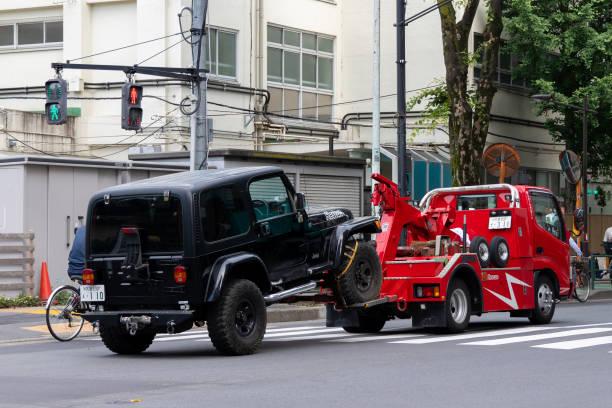
Professional operators evaluate factors such as weight, drivetrain configuration, ground clearance, and existing damage before selecting the appropriate truck. Flatbed tow trucks are often preferred for vehicles that should remain completely off the road surface, while wheel-lift systems may be suitable for certain situations where manufacturer recommendations allow.
Using the wrong equipment can place unnecessary strain on suspension parts, tires, and drivetrain components.
2. Correct Attachment Points Prevent Structural Damage
Modern vehicles contain designated tow points engineered to handle recovery forces safely. Attaching hooks or chains to suspension arms, bumpers, exhaust components, or steering parts can bend or break expensive components.
Experienced operators locate approved attachment points before beginning recovery. This careful process reduces the chance of frame distortion and protects parts that were never designed to support towing loads.
During many roadside recoveries, trained operators follow vehicle-specific recovery practices instead of relying on one standard method for every vehicle. These safe towing techniques help reduce unnecessary stress on vehicle components during transport.
3. Flatbed Transport Keeps Tires Off the Road
Some vehicles should never be pulled with their drive wheels rolling on the pavement for extended distances. All-wheel-drive systems, performance vehicles, and cars with transmission problems often require complete lifting.
Flatbed transport offers several advantages:
-
Eliminates tire wear during transport.
-
Reduces stress on transmission components.
-
Protects low ground clearance vehicles.
-
Helps prevent additional suspension damage.
The entire vehicle remains securely positioned throughout transport, reducing movement that could worsen existing damage.
4. Flatbed Towing Service Provides Safe Loading for Low Clearance Vehicles
Sports cars, luxury sedans, and modified vehicles frequently sit much lower than standard passenger cars. Loading these vehicles without ramps, extension boards, or adjustable bed angles may scrape front bumpers, side skirts, or underbody panels. A professional Flatbed Towing Service uses specialized equipment and adjustable loading techniques to safely transport low-clearance vehicles while minimizing the risk of damage.
Professional operators carefully adjust loading angles before moving the vehicle onto the truck. They also monitor wheel position throughout the loading process to prevent contact with the pavement. With a reliable Flatbed Towing Service, vehicles remain fully supported during transport, making it one of the safest options for protecting valuable cars.
This extra preparation can prevent cosmetic repairs that often cost hundreds or even thousands of dollars.
5. Secure Tie-Down Methods Reduce Movement During Transport
Transporting a vehicle safely involves more than placing it on a truck.
Proper wheel straps and securement systems hold the vehicle firmly in place throughout the trip. Loose chains or improperly tightened straps may allow shifting during braking, turning, or rough road conditions.
Even slight movement can damage wheels, suspension components, or body panels. Professional inspections continue throughout transport to verify that all securement points remain tight.
6. Safe Recovery Prevents Additional Accident Damage
Vehicles involved in collisions often have hidden structural damage that is not immediately visible. Pulling the vehicle aggressively or lifting it from the wrong location may worsen bent frames, damaged steering systems, or broken suspension parts.
Recovery specialists evaluate the condition of the vehicle before moving it. Sometimes a slower recovery process provides better protection than attempting to remove the vehicle as quickly as possible.
Road conditions also influence recovery decisions. Mud, snow, soft shoulders, and steep roadside ditches require specialized techniques that minimize additional stress on damaged vehicles.
7. Professional Handling Protects Electric and Hybrid Vehicles
Electric and hybrid vehicles introduce recovery considerations that differ from conventional gasoline-powered vehicles.
High-voltage systems require extra caution during loading and transport. Some manufacturers specify particular lifting points, while others recommend flatbed transportation for nearly every recovery.
Operators familiar with these vehicles reduce unnecessary handling while following manufacturer guidance whenever possible. This helps protect sensitive electrical systems and expensive battery components from avoidable damage.
8. Experienced Operators Recognize Hidden Risks
Many breakdowns involve problems that extend beyond the obvious issue.
A flat tire may accompany suspension damage after striking a pothole. Engine overheating can weaken cooling system components. Transmission failures may affect wheel movement during loading.
Experienced towing professionals inspect the vehicle before moving it and adjust recovery methods when additional concerns become apparent.
Instead of treating every breakdown the same way, American Towing Service evaluates the overall condition of the vehicle before selecting the safest recovery approach. This careful process supports emergency roadside assistance needs where vehicles require proper handling before transportation.
9. Careful Transportation Supports Accurate Repairs
Repair technicians rely on seeing the vehicle in the same condition it was found after a breakdown or collision.
Additional damage during transportation can complicate insurance claims, increase repair costs, or make diagnosis more difficult.
Professional towing preserves the original condition of the vehicle whenever possible. This allows repair facilities to identify the actual mechanical or collision-related problems without sorting through damage created during transport.
Every Recovery Tells Part of the Repair Story
The condition of a vehicle upon arrival at a repair facility often reflects how carefully it was transported. Proper equipment selection, correct attachment methods, secure loading, and thoughtful recovery planning all help preserve mechanical systems and body components after a breakdown. A careful towing process supports accurate inspections, smoother repairs, and fewer unexpected expenses that could have been avoided during transport.
Common Questions About Vehicle Protection During Towing
Does every disabled vehicle need a flatbed tow truck?
No. The correct towing method depends on the vehicle type, drivetrain, manufacturer recommendations, and the nature of the mechanical problem.
Can improper towing damage an automatic transmission?
Yes. Some automatic transmissions can be damaged if the drive wheels remain on the ground during towing when manufacturer procedures are not followed.
Why are proper tow points so important?
Approved tow points distribute towing forces safely. Using suspension parts or bumpers instead can bend or break components.
Can towing affect wheel alignment?
Improper recovery methods or incorrect attachment locations may contribute to suspension or alignment issues, especially if the vehicle is already damaged.
Are electric vehicles harder to tow?
They require specialized handling because of high-voltage systems and manufacturer-specific recovery procedures, but trained operators are equipped to manage these requirements safely.
Should a damaged vehicle be driven instead of towed?
If steering, brakes, suspension, tires, or engine performance are compromised, professional towing is generally the safer option to prevent additional vehicle damage.



Share this page with your family and friends.