A TPO roof depends on more than the membrane placed over the building. The roof deck, drainage, insulation, attachment method, and weather conditions all affect the finished system. A properly scoped TPO Roofing Service in Seattle, WA should account for those details before materials arrive. Early planning can prevent change orders and delays on occupied commercial buildings.
1. Existing Roof Conditions
A TPO membrane cannot correct a weak or deteriorated deck. The existing roof should be checked for wet insulation, damaged decking, failed repairs, and loose fasteners. Moisture surveys or core cuts may be needed when conditions beneath the surface are uncertain.
2. Drainage and Ponding
Low-slope roofs depend on reliable drainage. Drains, scuppers, gutters, and internal outlets should be checked for blockage, damage, and adequate capacity. Persistent ponding can add weight to the assembly and accelerate deterioration around seams and penetrations.
If drainage is inadequate, tapered insulation or another design change may be needed to direct water toward functioning outlets. A new membrane does not automatically correct a poor drainage layout.
3. Insulation Design
Insulation affects thermal performance, membrane support, and roof height. The specified thickness should account for building requirements, existing conditions, code requirements, and clearances around doors, drains, curbs, and equipment.
Commercial assemblies commonly use polyisocyanurate insulation, cover boards, or both. Changing insulation thickness without checking transitions can create problems around roof edges and equipment.
4. Attachment Method
TPO systems may be mechanically attached, fully adhered, or designed with other approved configurations. Wind exposure is a major consideration when selecting the attachment pattern.
Mechanically attached systems require accurate fastener placement. Adhered systems require suitable substrate preparation and compatible bonding materials. The assembly should match the manufacturer's approved specifications.
5. Seam Welding
Heat and testing matter
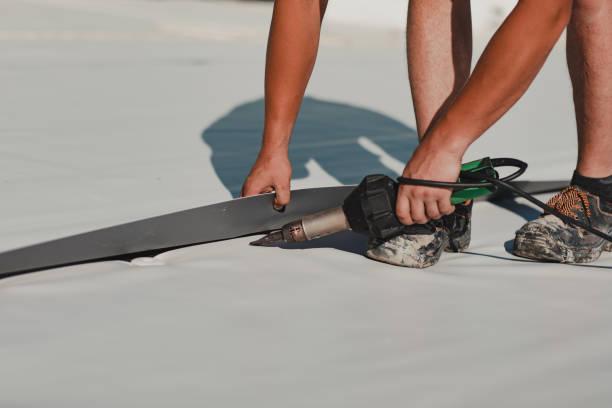
TPO membrane seams are generally joined with hot-air welding. Welding temperature, machine speed, pressure, and equipment condition affect seam quality. Field seams should be tested according to system requirements, with defective areas corrected before acceptance.
Working space around rooftop units and other obstacles should also be considered. Tight access can make consistent welding more difficult.
6. Penetrations and Curbs
HVAC curbs, pipes, vents, conduits, skylights, drains, and equipment supports all require properly detailed flashing. Every penetration should be identified before membrane installation begins.
Mechanical work scheduled after the roof is installed can require additional flashing and may affect warranty conditions. Coordination between roofing and mechanical trades can prevent unnecessary rework.
For projects managed by Seattle Roof Systems, the scope should document these interfaces before installation so unplanned equipment changes do not disrupt the roofing sequence.
7. Edge Metal and Wind Design
Roof edges face significant wind forces. Copings, perimeter metal, drip edges, and related components need secure attachment and compatibility with the selected TPO system.
The design should account for building height, geometry, location, and applicable wind requirements. Edge details also determine how the membrane terminates at parapets and corners.
8. Seattle Weather and Scheduling
Weather can affect membrane welding, adhesives, substrate preparation, and daily production. Rain may force work to stop and can introduce moisture into areas that need to remain dry.
A realistic schedule should include weather allowances, staging, roof access, and protection of exposed sections. Occupied facilities may also require delivery windows that avoid business operations.
9. Warranty Considerations for Professional Roof Repairs
Manufacturer warranties can depend on specific materials, repair methods, and installation practices. Before work begins, the applicable warranty requirements should be reviewed carefully.
Requirements may cover roofing materials, flashing, fasteners, adhesives, inspections, and installer qualifications. Property owners should also keep documentation of completed work and any required inspection or registration steps.
Professional Roof Repairs Service can help address roofing issues using appropriate repair methods while considering the existing roof system and applicable warranty requirements.
10. Roof Access and Maintenance
The finished roof needs routine service. Planning should account for equipment access, walk pads, service paths, drains, and areas where maintenance crews regularly travel.
Walkway pads can protect membrane surfaces in high-traffic zones. Drain locations should remain accessible, and future penetrations should be planned rather than improvised.
Property owners considering TPO roof replacement Seattle, WA should also request maintenance documentation and records of installed materials. Those records make future repairs more precise.
A practical pre-installation checklist
Before membrane installation, the project file should contain:
-
Roof deck and moisture findings
-
Drainage and edge-condition details
-
Insulation and cover-board specifications
-
Attachment and wind-securement requirements
-
Penetration, flashing, and equipment details
Roof Planning Before Installation
A TPO project should be priced from an actual roof assessment rather than building size alone. A written scope should identify the existing assembly, proposed materials, drainage work, penetrations, edge details, warranty requirements, and installation sequence.
For TPO membrane installation in Seattle, WA, the next step is a site assessment that confirms those conditions before the final scope is approved. This gives the project team a defined basis for pricing, scheduling, and material selection.
Roof Records That Support Future Work
Installation records remain useful after the project closes. Membrane type, insulation thickness, fastener pattern, manufacturer information, warranty documents, and photographs can help future contractors diagnose problems without guessing at the roof assembly.
For TPO roof repair Seattle, WA, those records can also help identify compatible materials and existing warranty conditions.
TPO Installation FAQs
How long does a commercial TPO installation take?
The schedule depends on roof size, removal work, substrate repairs, insulation, penetrations, access, and weather. Smaller projects may take days, while large facilities can require weeks.
Can TPO be installed over an existing roof?
Sometimes. The existing assembly must meet the selected system's requirements and remain suitable as a substrate. Moisture, deterioration, local code, and manufacturer requirements can prevent an overlay.
What TPO membrane thickness should be specified?
The choice depends on the roof assembly, traffic, exposure, warranty requirements, and project specifications. Thickness should be selected as part of the complete approved system.
Does every TPO roof need a cover board?
No. Requirements vary with the substrate, insulation, fire requirements, attachment method, and approved assembly. A cover board can also add protection against punctures and construction traffic.
Can HVAC work occur during TPO installation?
Yes, with proper scheduling. Mechanical work after membrane installation may require new flashing or penetrations, which can create rework and affect warranty conditions.
What should be inspected after installation?
The completed roof should be checked for membrane condition, seams, flashing, drains, edge securement, penetrations, and debris. Required manufacturer inspections should be completed before closeout.




Share this page with your family and friends.